.jpg)
Project Overview
In recent years, Botswana has emerged as a promising frontier for mineral exploration and development in Southern Africa. While traditionally known for its diamond wealth, the country is now attracting increasing attention for its potential in base metal production, particularly nickel. With rising global demand for nickel driven by electric vehicle (EV) battery manufacturing, establishing a 610 metric tons per hour (TPH) nickel processing plant in Botswana presents both strategic and economic opportunities. This article outlines the key steps and considerations in building such a facility.
1. Geological Assessment and Resource Confirmation
The first step in developing a 610 TPH nickel processing plant is confirming the presence of economically viable nickel deposits. Botswana hosts several greenstone belt formations—particularly in the Selebi-Phikwe and Tati Greenstone Belts—that are known to contain sulfide-type nickel mineralization. According to a 2021 report by the Botswana Geoscience Institute, the country has identified over 120,000 hectares of prospective ground for nickel-copper-cobalt mineralization, with historical drill results showing grades ranging from 0.5% to 2.1% Ni in select zones.
Before any construction begins, a detailed feasibility study must be conducted, including resource estimation compliant with international standards such as JORC or NI 43-101. This phase typically requires extensive drilling, metallurgical testing, and geotechnical surveys to validate tonnage and grade assumptions.
2. Plant Design and Process Selection
A 610 TPH processing plant is classified as medium to large-scale in the mining industry. The design must align with the ore characteristics—whether the deposit is predominantly sulfide or lateritic. In Botswana, most known nickel occurrences are magmatic sulfide types, which are typically processed using conventional flotation techniques.
The processing flow sheet would likely include:.jpg)
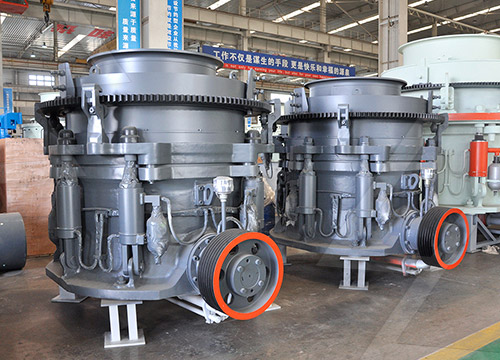
- Primary and secondary crushing (jaw and cone crushers)
- Closed-circuit grinding (SAG or ball mills)
- Bulk sulfide flotation to produce nickel concentrate
- Dewatering and concentrate handling
Metallurgical test work is essential to determine recoveries. Studies from similar operations in neighboring South Africa indicate that nickel recoveries from sulfide ores using flotation can range from 85% to 92%, depending on liberations and gangue content (Mineral Processing and Extractive Metallurgy Review, 2020).
3. Infrastructure and Logistics
One of the biggest challenges in Botswana is infrastructure. While the country enjoys political stability and well-developed road networks in urban areas, remote mining sites may lack reliable power, water, and rail access.
Power supply is particularly critical for a plant of this scale. A 610 TPH facility, especially if using SAG milling, could require between 30 MW and 40 MW of continuous power. Botswana’s national grid, operated by Botswana Power Corporation (BPC), has limited surplus capacity in many regions. Therefore, integrating renewable energy sources—such as solar or hybrid systems—could enhance reliability and reduce long-term costs. According to Statista, Botswana generated only about 1.2% of its electricity from renewable sources in 2022, highlighting both a challenge and an opportunity for off-grid energy solutions (Statista, 2023).
Water availability is another constraint. Nickel processing requires significant volumes of water for grinding and flotation. The plant should incorporate water recycling systems to minimize fresh water intake, especially in arid regions like central Botswana.
4. Environmental and Social Considerations
Environmental impact assessments (EIA) are mandatory under Botswana’s Environmental Assessment Act. A nickel processing plant must address emissions control, tailings storage facility (TSF) design, and community engagement. The TSF, in particular, must meet global standards such as those set by the Global Industry Standard on Tailings Management (GISTM).
Community development agreements and local employment programs are also crucial for securing social license to operate. Botswana’s government emphasizes local content, requiring mining companies to prioritize hiring nationals and procuring goods and services locally where possible.
5. Capital and Operating Costs
Based on industry benchmarks, the capital expenditure (CAPEX) for a greenfield 600–700 TPH nickel processing plant ranges from $150 million to $220 million, depending on location, complexity, and infrastructure requirements (Wood Mackenzie, Global Mining Capital Cost Index, 2022). Operating costs generally fall between $40 and $60 per tonne of ore processed, influenced by energy prices, labor, and reagent consumption.
6. Market and Offtake Strategy
With nickel prices averaging around $18,000 per tonne in 2023 (London Metal Exchange), securing long-term offtake agreements with battery manufacturers or stainless steel producers is essential. Partnerships with EV supply chain companies could enhance project viability and attract green financing.
Conclusion
Building a 610 TPH nickel processing plant in Botswana is technically feasible and economically compelling, provided that thorough geological, environmental, and financial due diligence is conducted. With supportive government policies, growing global demand, and Botswana’s stable investment climate, such a project could position the country as a key player in the African nickel sector. However, success will depend on strategic planning, sustainable practices, and collaboration with local and international stakeholders.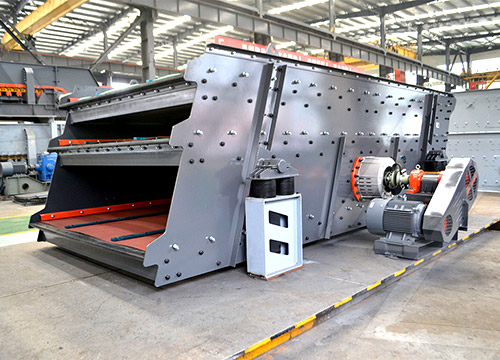
References:
- Mineral Processing and Extractive Metallurgy Review. (2020). “Flotation of Nickel Sulfide Ores: A Review of Current Practices and Challenges.” Vol. 41, Issue 3.
- Statista. (2023). “Share of electricity generation from renewable sources in Botswana from 2010 to 2022.” https://www.statista.com
- Wood Mackenzie. (2022). “Global Mining Capital Cost Index – Q4 2022 Report.”
.jpg)
.jpg)