Project Overview
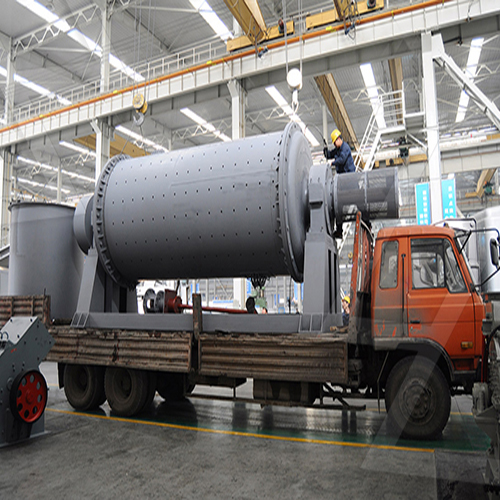
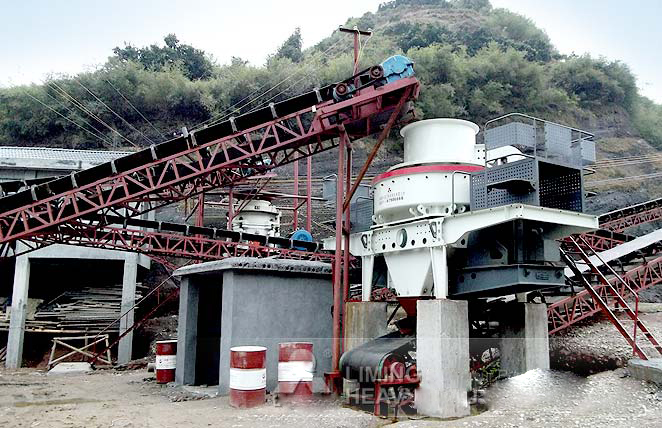
Stone Crusher Plant Export Solutions for African Customers
The African construction and mining sectors are experiencing rapid growth, driving demand for reliable stone crusher plants. Exporting crusher plants to Africa requires tailored solutions that address local challenges, including infrastructure limitations, diverse regulatory frameworks, and varying operational conditions. This article explores key considerations for exporters and highlights effective strategies to meet African market demands.
Market Demand and Industry Outlook
Africa’s construction industry is expanding, with infrastructure development projects increasing the need for aggregate production. According to a report by Statista, the African construction market is projected to grow at a compound annual growth rate (CAGR) of 6.4% between 2023 and 2028, fueled by urbanization and government investments in roads, housing, and industrial facilities (Statista, 2023). This growth underscores the rising demand for crushing equipment capable of processing hard rock, basalt, and granite for construction applications.
Key Challenges in the African Market
- Infrastructure Constraints – Many regions face unreliable power supply and poor road networks, making mobile and diesel-powered crushers preferable in remote areas.
- Regulatory Variations – Exporters must comply with country-specific import regulations, safety standards, and environmental policies, which can differ significantly across African nations.
- After-Sales Support – Limited local technical expertise necessitates robust training programs and accessible spare parts networks to ensure equipment longevity.
Customized Export Solutions
To address these challenges, exporters should consider the following strategies:
- Modular and Mobile Crushers – Compact, easily transportable plants reduce logistical hurdles and are ideal for temporary project sites.
- Diesel-Electric Hybrid Systems – These provide flexibility in areas with unstable electricity grids while maintaining fuel efficiency.
- Local Partnerships – Collaborating with regional distributors and service providers improves market penetration and customer trust.
- Training Programs – On-site operator training minimizes downtime and enhances equipment performance.
Case Example: Success in West Africa
A Nigerian construction firm recently reported a 30% increase in productivity after switching to a modular crushing plant with integrated screening, supplied by a European exporter. The plant’s adaptability to local conditions and accessible maintenance support were critical factors in its success.
Conclusion
Exporting stone crusher plants to Africa requires a deep understanding of regional demands and constraints. By offering flexible, durable, and locally supported solutions, exporters can capitalize on Africa’s booming construction sector. With the right approach, suppliers can establish long-term partnerships and contribute to the continent’s infrastructure development. .jpg)
Reference:
Statista. (2023). Construction industry growth forecast in Africa from 2023 to 2028. Retrieved from www.statista.com
.jpg)
.jpg)