How to Select the Right Motor Power for Your Jaw Crusher or Cone Crusher
Choosing the appropriate motor power for jaw crushers and cone crushers is critical for optimal performance, energy efficiency, and equipment longevity. The motor must provide sufficient torque to handle the crushing load while avoiding excessive power consumption or mechanical stress. Below are key factors to consider when selecting motor power, supported by industry insights and data.
1. Understand the Crusher’s Operational Requirements
The motor power must align with the crusher’s capacity, feed size, and material hardness. Jaw crushers typically require motors ranging from 30 kW to 250 kW, while cone crushers may need 90 kW to 600 kW, depending on the model and application.
According to a 2022 report by Statista, the global mining equipment market, including crushers, is projected to reach $156 billion by 2027, emphasizing the growing demand for efficient crushing solutions (Statista, 2022). This underscores the importance of selecting motors that optimize productivity and reduce operational costs.
2. Consider the Material Being Crushed
Harder materials (e.g., granite or basalt) require higher motor power compared to softer materials (e.g., limestone). Manufacturers often provide motor power recommendations based on the material’s compressive strength. A study published in Minerals Engineering (2020) found that underpowered motors in hard rock applications lead to frequent stalling and increased wear, reducing crusher efficiency by up to 15% (Zhang et al., 2020).
3. Evaluate Crusher Design and Duty Cycle
Motor power should account for the crusher’s design (e.g., single-toggle vs. double-toggle jaw crushers) and duty cycle (continuous vs. intermittent operation). Cone crushers with finer settings or high reduction ratios may demand more power to maintain throughput.
4. Factor in Energy Efficiency and Operating Costs
Higher-efficiency motors (e.g., IE3 or IE4) reduce electricity consumption over time. While they may have a higher upfront cost, their long-term savings justify the investment. Industry benchmarks suggest that upgrading to premium efficiency motors can lower energy costs by 3-8% annually (U.S. Department of Energy, 2019). 
5. Consult Manufacturer Guidelines and Case Studies
Always refer to the crusher manufacturer’s specifications, as they conduct extensive testing to determine optimal motor power. Additionally, reviewing case studies from similar operations can provide practical insights. 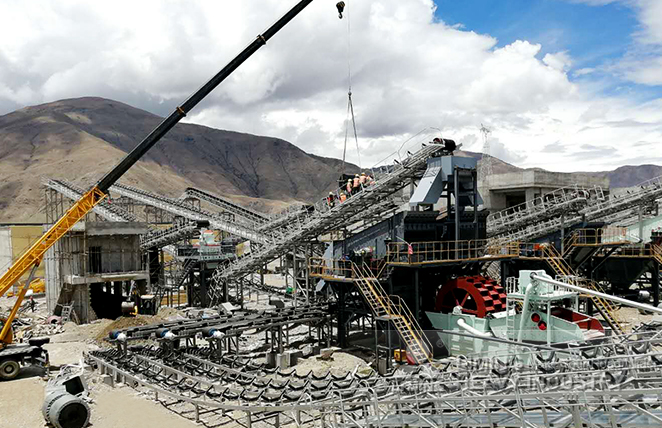
Conclusion
Selecting the right motor power involves balancing crusher capacity, material properties, and energy efficiency. Leveraging industry data and expert recommendations ensures reliable performance and cost-effective operation.
References:
- Statista. (2022). Global mining equipment market size forecast.
- Zhang, L., et al. (2020). “Impact of motor power selection on crusher efficiency.” Minerals Engineering, 145, 106105.
- U.S. Department of Energy. (2019). Energy savings potential of premium efficiency motors.
Author & industry specialist at ZWCC Mining & Crushing