Project Overview
What Is the Most Cost-Effective Crushing Plant for Small to Medium Quarries?
For small to medium-sized quarries, selecting a cost-effective crushing plant is critical to balancing operational efficiency and budget constraints. The ideal solution must deliver reliable performance, low maintenance costs, and flexibility to handle varying material types and production demands.
Key Factors in Choosing a Crushing Plant
-
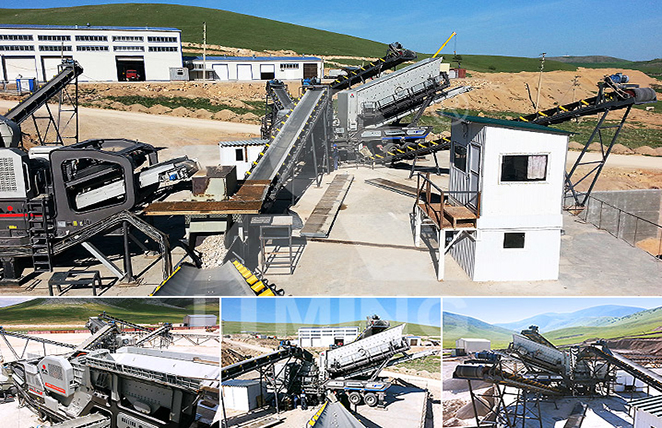
Initial Investment vs. Long-Term Costs: Mobile crushing plants often require a lower upfront investment compared to stationary setups, making them attractive for smaller operations. However, their long-term maintenance costs can be higher due to wear and tear from frequent relocation.
-
Production Capacity: A plant with a throughput of 100–300 tons per hour (tph) is typically sufficient for small to medium quarries. Oversizing leads to unnecessary capital expenditure, while undersizing causes bottlenecks.
.jpg)
-
Energy Efficiency: Electric-driven crushers, though dependent on stable power supply, often have lower operating costs than diesel-powered units. According to a 2022 report by Statista, energy costs account for up to 30% of total quarry operating expenses, highlighting the importance of efficient equipment selection (Statista, 2022).
-
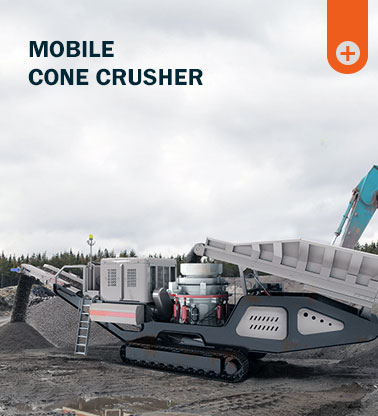
Maintenance and Downtime: Jaw crushers and cone crushers are popular for their durability, but impact crushers may offer better cost efficiency for softer materials. Regular maintenance schedules reduce unexpected downtime, which can cost quarries $10,000–$50,000 per day in lost production (Aggregates Business International, 2021).
Recommended Solutions
- Mobile Jaw Crushers: Ideal for quarries with multiple sites or varying feed materials. Their compact design reduces transport costs.
- Modular Crushing Systems: These allow scalability as production needs grow, avoiding the need for complete plant replacements.
- Hybrid Power Options: Combining diesel and electric power can optimize fuel efficiency while ensuring uninterrupted operation.
Final Considerations
Before investing, quarries should conduct a feasibility study accounting for local material hardness, required output, and logistics. Partnering with reputable manufacturers for after-sales support further ensures cost-effectiveness.
By prioritizing flexibility, energy efficiency, and lifecycle costs, small to medium quarries can maximize profitability without compromising performance.
Sources:
- Statista. (2022). Global mining and quarrying industry energy cost breakdown.
- Aggregates Business International. (2021). The true cost of quarry downtime.
.jpg)