.jpg)
Project Overview
Building a 530TPH Cobalt Processing Plant in Cameroon: Key Considerations
Cameroon’s growing prominence in the global cobalt market, driven by its mineral-rich geology, presents a strategic opportunity for establishing a 530-ton-per-hour (TPH) cobalt processing plant. Such a facility would streamline the extraction and refinement of cobalt, a critical component in lithium-ion batteries for electric vehicles (EVs) and renewable energy storage. Here’s a step-by-step guide to executing this project.
1. Resource Assessment and Feasibility
Before construction, a thorough geological survey is essential to confirm cobalt reserves and ore quality. Cameroon’s cobalt deposits are primarily found in the southeastern regions, often alongside nickel and copper. Partnering with local mining authorities, such as Cameroon’s Ministry of Mines, Industry, and Technological Development, ensures compliance with national regulations.
Data Insight: According to Statista, global cobalt demand is projected to reach 200,000 metric tons by 2025, up from 140,000 tons in 2021, driven by EV adoption (Statista, 2023). This underscores the long-term viability of cobalt processing investments.
2. Plant Design and Technology Selection
A 530TPH plant requires robust infrastructure, including:
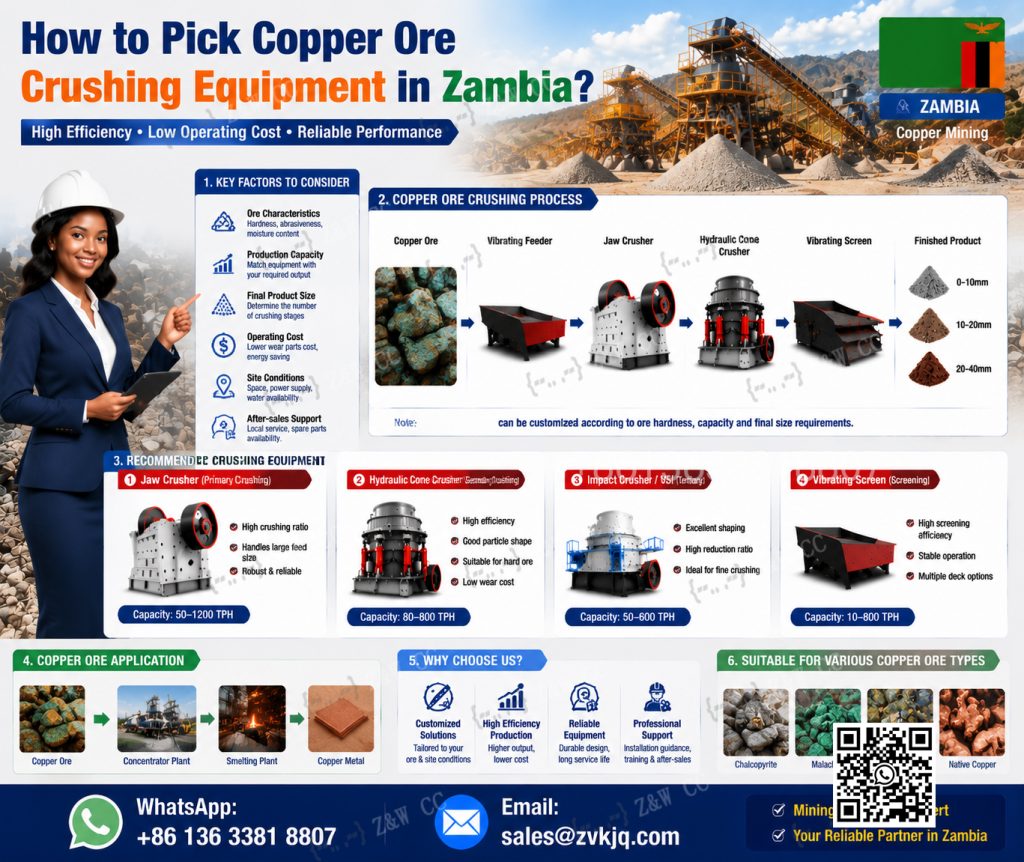
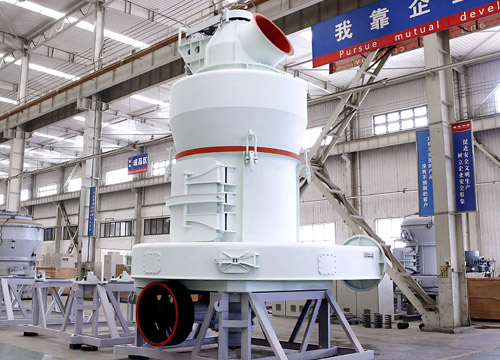
- Crushing and Grinding Units: High-capacity jaw crushers and ball mills to process raw ore.
- Flotation Systems: To separate cobalt from other minerals.
- Hydrometallurgical Circuits: For refining cobalt into battery-grade sulfate or metal.
Modular designs can reduce upfront costs and accelerate deployment. Leading engineering firms like Metso Outotec or FLSmidth offer tailored solutions for African mineral processing.
3. Energy and Water Supply
Cameroon’s energy grid relies heavily on hydropower, which is cost-effective but can be unstable. On-site power solutions (e.g., solar-diesel hybrids) may be necessary. Water scarcity in arid regions necessitates closed-loop recycling systems to minimize consumption. .jpg)
4. Logistics and Export Infrastructure
Proximity to the Douala or Kribi ports is critical for exporting refined cobalt. Upgrading road/rail links between mining sites and processing facilities will reduce transport costs.
5. Environmental and Social Compliance
Adhering to international standards (e.g., ISO 14001) mitigates environmental risks. Community engagement programs, including local hiring and education initiatives, foster social license to operate.
Conclusion
A 530TPH cobalt plant in Cameroon is a capital-intensive but high-reward project, aligning with global decarbonization trends. With proper planning, technology partnerships, and adherence to regulatory frameworks, investors can capitalize on the surging demand for battery metals. .jpg)
Reference:
Statista. (2023). Global cobalt demand from 2010 to 2025. Retrieved from www.statista.com