Project Overview
How to Build a 750TPH Iron Ore Processing Plant in Guinea
Guinea is home to some of the world’s richest iron ore deposits, particularly in the Simandou region, which holds an estimated 2.4 billion metric tons of high-grade ore (Statista, 2023). Establishing a 750-ton-per-hour (TPH) processing plant here requires careful planning, adherence to local regulations, and optimized engineering solutions. Below is a step-by-step guide to executing such a project.
1. Feasibility Study and Resource Assessment
Before construction begins, conduct a thorough geological survey to confirm ore quality and quantity. Partner with local mining authorities and independent geologists to validate reserve estimates. According to a report by the African Development Bank (2022), Guinea’s iron ore reserves average 65% Fe content, making it highly viable for commercial extraction.
2. Regulatory Compliance and Permits
Guinea’s revised mining code (2019) mandates environmental impact assessments (EIA) and community engagement. Secure permits from the Ministry of Mines and Geology and ensure compliance with the Extractive Industries Transparency Initiative (EITI). Delays in approvals can significantly impact project timelines.
3. Plant Design and Technology Selection
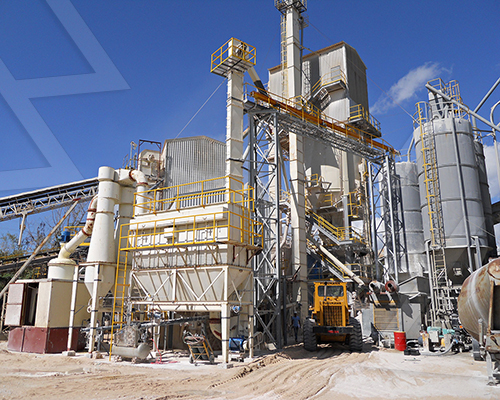
A 750TPH plant requires:
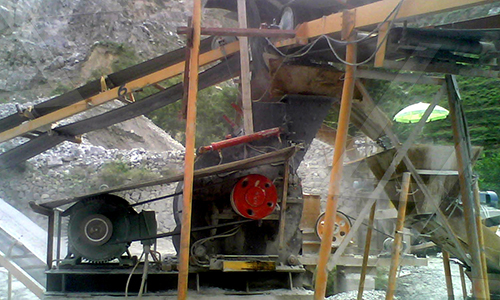
- Primary Crushing: Use gyratory or jaw crushers to reduce ore size.
- Secondary & Tertiary Crushing: Cone crushers and high-pressure grinding rolls (HPGR) improve efficiency.
- Beneficiation: Magnetic separation and flotation to achieve >67% Fe concentrate.
- Tailings Management: Implement dry stacking to minimize environmental risks, as wet tailings dams pose long-term liabilities.
Leading engineering firms like Metso Outotec or FLSmidth can provide customized solutions for Guinea’s abrasive ore characteristics. .jpg)
4. Infrastructure Development
Guinea’s underdeveloped logistics necessitate heavy investment in: .jpg)
- Power Supply: Diesel generators or renewable hybrids (solar + thermal) to offset unreliable grid electricity.
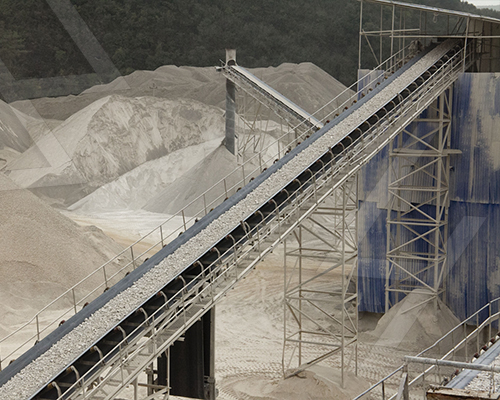
- Transport: Rail links to ports (e.g., the proposed Trans-Guinean Railway) are critical. Current road networks cannot support heavy ore haulage.
5. Operational Workforce and Local Content
Recruit skilled labor and provide training programs in collaboration with Guinea’s National Mining School. Local employment quotas (typically 30–50% of the workforce) are enforced under mining agreements.
6. Budget and Financing
A project of this scale demands $500M–$1B, depending on infrastructure costs. Multilateral lenders like the World Bank or private investors often fund such ventures.
Conclusion
Building a 750TPH iron ore plant in Guinea is a high-reward but complex endeavor. Success hinges on resource verification, regulatory alignment, and robust engineering—all while integrating sustainable practices to meet global ESG standards.
Reference:
- Statista. (2023). Guinea’s iron ore reserves and production data. Retrieved from www.statista.com
- African Development Bank. (2022). Mineral Resource Governance in Guinea.