Clay-coated silica sand can remain cloudy in a product turbidity test even after a wash circuit removes most of the loose fines. Before adding an attrition scrubber, split representative feed into matched samples and compare rinse-only treatment with attrition followed by the same rinse and classification. Judge the finished sand against the buyer’s test method, then measure how much sand in the saleable size range reports to the reject. Sample the rinse water as well: suspended fines carried back in recycled water can make clean grains appear dirty again. The purchase decision turns on whether scrubbing delivers a repeatable improvement at an acceptable sand recovery, water demand and sludge load. A controlled comparison also gives vendors a common feed basis for sizing the cells and downstream equipment.
Separate loose fines from clay coatings
Take increments across the intended feed stream and build separate composites for typical feed and the clay-rich material the plant will need to handle. Test these composites separately so a blended sample cannot hide a difficult operating condition. Record feed gradation and examine the grains retained after gentle rinsing. If that rinse already meets the buyer’s cleanliness limit, establish whether the result can be reproduced with the plant’s normal water supply before specifying a new machine.
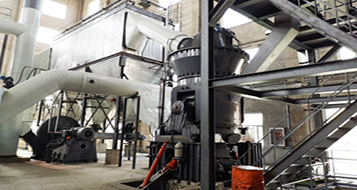
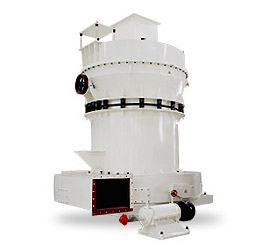
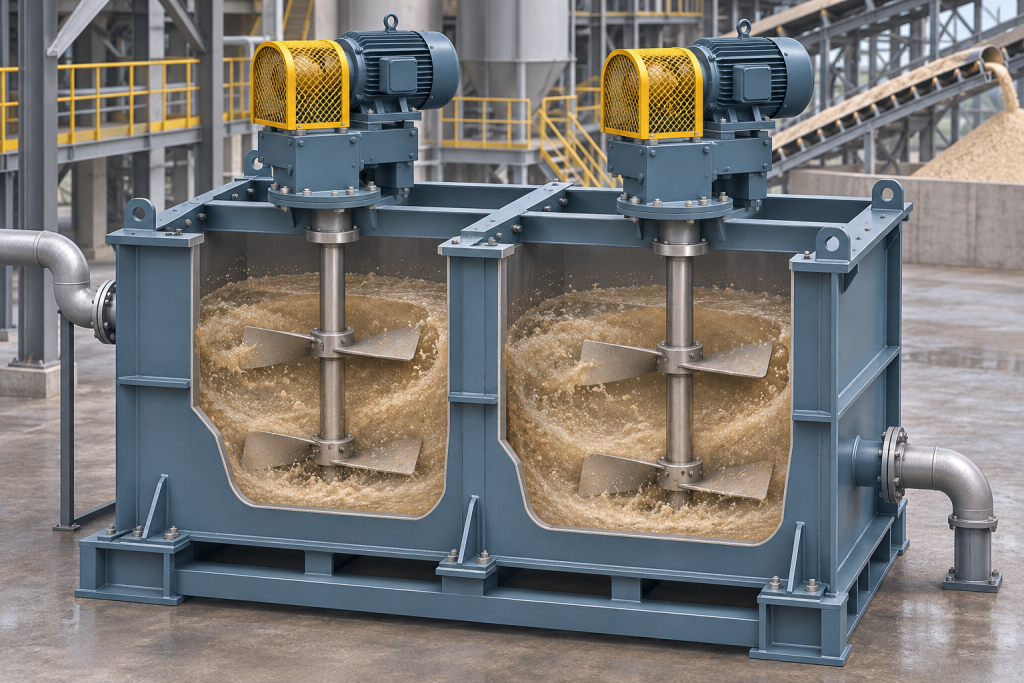
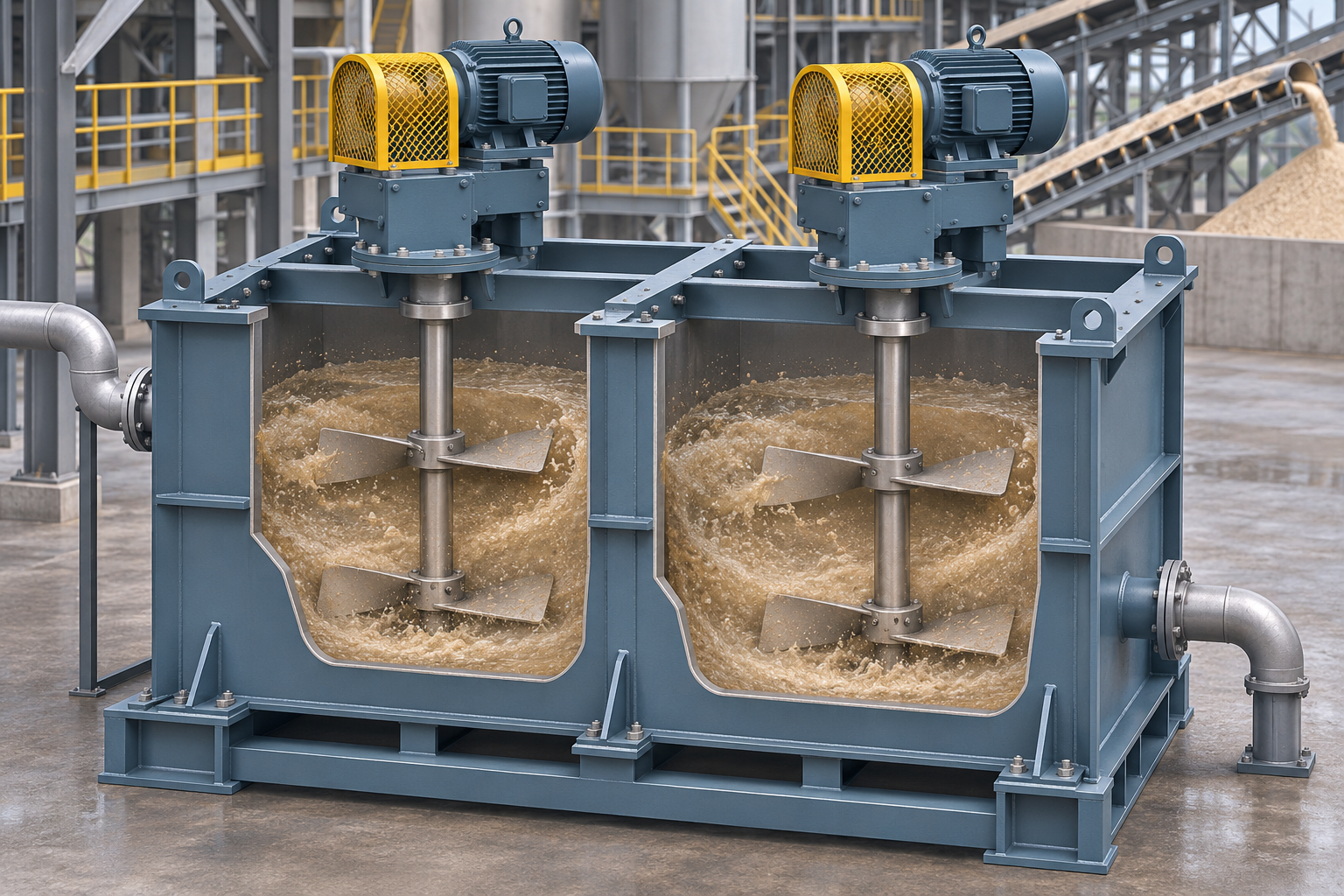
Grain-to-grain contact in an attrition cell can detach clay that stays on the sand after rinsing. The circuit then needs a separation step to remove the liberated material from the sand stream. Use the sand washing machine overview when reviewing the existing wash stage and its duty in the trial.
Compare rinse-only and attrition on matched feed
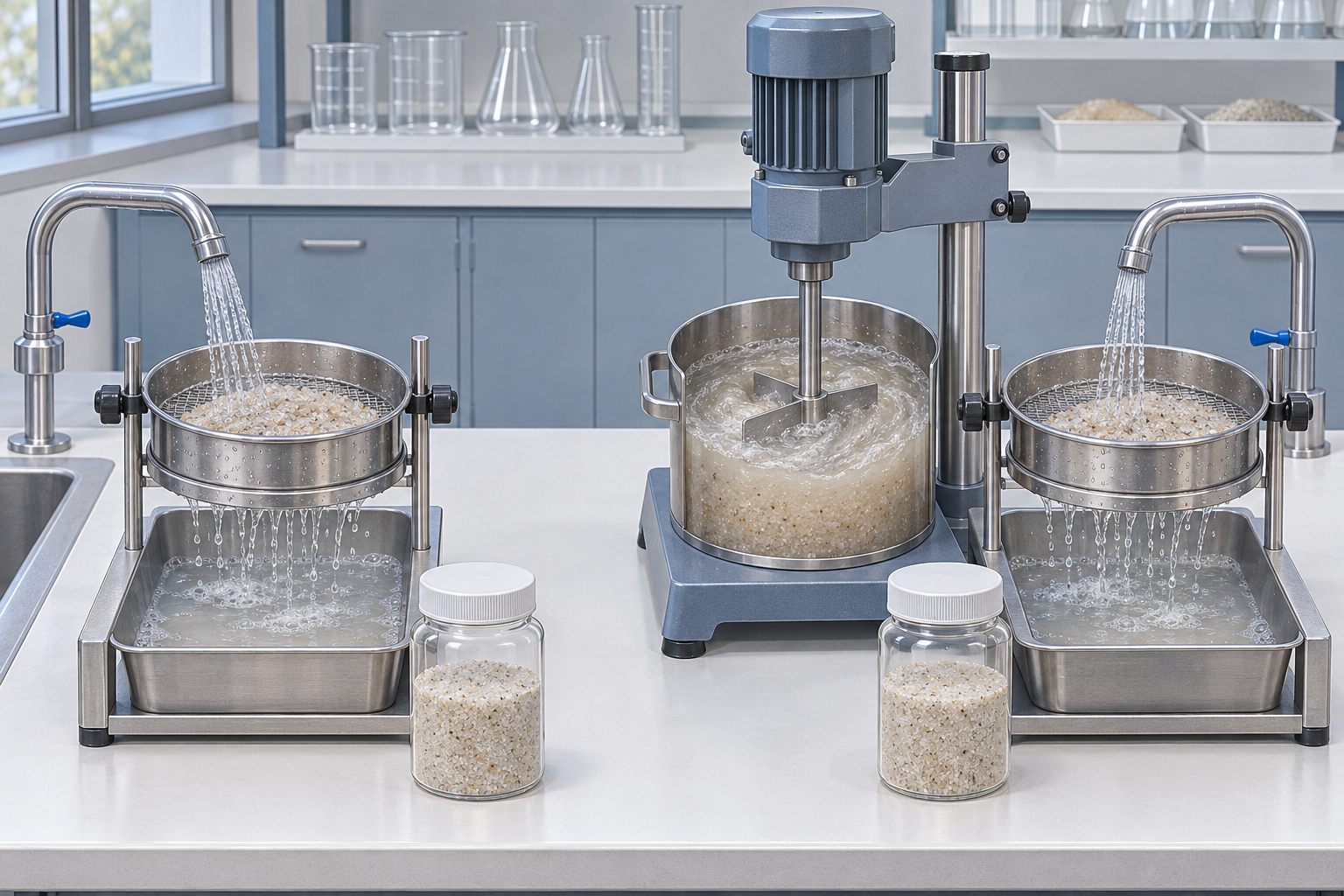
Split each composite into matched charges. Run one charge through the baseline rinse and classification. Treat the second in the attrition cell, dilute it as needed for the downstream separator, and apply the same rinse procedure and target separation size. Record scrubber feed solids concentration, treatment time and impeller settings. Hold downstream conditions as close as practical between tests and record any changes that could affect fine-sand recovery.
Apply the buyer’s turbidity method to both finished products with the same sample preparation and water. Keep a sample of the actual plant rinse water for a separate repeat test. Dry and weigh the sand and reject solids, sieve both streams and check the dry solids balance before attributing a cleanliness gain to the scrubber. Repeat the comparison on the clay-rich composite.
Interpret the test with sand recovery in view
| Trial observation | What to verify | Equipment decision |
|---|---|---|
| Rinse-only sand meets the buyer’s cleanliness limit. | Repeat with clay-rich feed and representative recycle water. | Keep the rinse-only circuit if the result holds across the agreed feed range. |
| Scrubbing improves cleanliness and recovery of in-size sand holds. | Confirm repeatability and check the liberated fines load downstream. | Pilot the attrition stage with the proposed desliming and water circuit. |
| Scrubbed sand is cleaner, but more in-size grains appear in the reject. | Check product and reject gradations and whether downstream classification conditions shifted. | Resolve the sand loss before accepting the scrubber and separator as a package. |
| The scrubbed product passes with fresh water but fails with recycled water. | Compare suspended solids in the two water supplies and repeat with representative clarified return water. | Define the recycle-water quality needed for the final rinse before increasing scrubber duty. |
Check what the wash circuit must handle
Ask for a dry solids and water balance from scrubber feed through finished sand, slime reject and return water. Specify which water stream is available for the final rinse and where the reject reports. If the plant uses a clarifier or filter press, use representative reject slurry to check its handling duty. Include the change in dry sludge production and makeup water per tonne of accepted sand when comparing the two circuit options.
Specify the purchase test and supply boundaries
Give each bidder the same feed gradations, clay variability, available water and buyer test protocol. Agree on a minimum dry throughput, product cleanliness and grading, and recovery of sand within the saleable size band. Define which streams will be sampled and how a test will be repeated if the material balance fails to close. Include the scrubber, downstream separation, water connections and sampling points in the scope review, and ask which liners and paddles the operator can replace on site.
If the sand is destined for glassmaking, include the buyer’s chemistry limits alongside the wash test criteria. The glass-grade silica sand processing overview places washing in the wider flowsheet. Use the measured cleanliness gain and in-size recovery to decide whether attrition earns a place in that flowsheet.
mj
Author & industry specialist at ZWCC Mining & Crushing