Project Overview
Choosing the Right Mobile Crushing Station for 420TPH Copper Mining in Colombia
Copper mining in Colombia has seen steady growth due to increasing global demand for the metal, driven by its use in renewable energy systems and electronics. For a project requiring a crushing capacity of 420 tons per hour (TPH), selecting the right mobile crushing station is critical for efficiency, cost-effectiveness, and environmental compliance.
Key Considerations for Mobile Crushing Stations
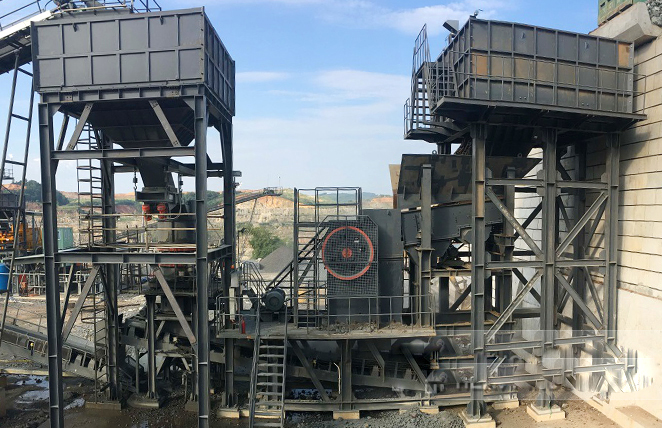
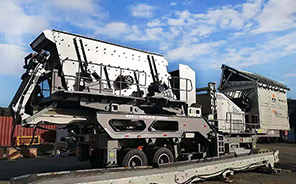
- Capacity and Mobility: A mobile crushing station must handle 420TPH while being adaptable to varying site conditions. Track-mounted crushers, such as Metso’s Lokotrack LT series or Sandvik’s QJ341, offer high throughput and mobility for open-pit mining operations.
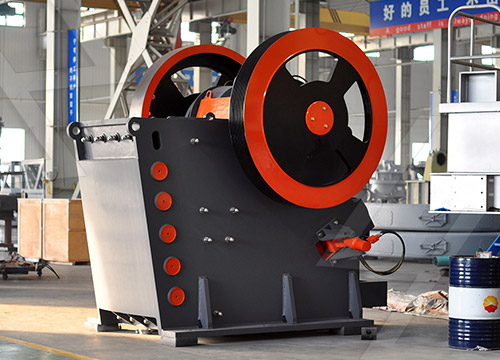
- Material Characteristics: Copper ore often contains hard, abrasive components. Jaw crushers or gyratory crushers are suitable for primary crushing, while cone crushers can be used for secondary and tertiary stages.
- Fuel Efficiency and Emissions: With stricter environmental regulations, diesel-electric hybrid crushers reduce fuel consumption by up to 30% compared to traditional models (Statista, 2023).
Industry Trends and Data
According to a 2023 report by Statista, the global copper mining market is projected to grow at a CAGR of 4.2% from 2023 to 2030, with Latin America accounting for over 40% of production. This growth underscores the need for efficient crushing solutions to meet demand while minimizing operational costs.
Recommended Solutions
- Metso Lokotrack LT200HP: A cone crusher with a capacity of up to 450TPH, ideal for medium-hard ores.
- Sandvik QJ341+: A jaw crusher with a 400–500TPH range, featuring advanced automation for optimal performance.
For large-scale Colombian copper mines, investing in a high-capacity, fuel-efficient mobile crusher ensures long-term productivity and sustainability. 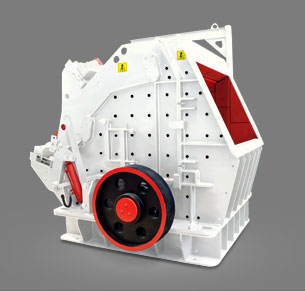
Source:
- Statista. (2023). Global Copper Mining Market Outlook 2023–2030. Retrieved from www.statista.com