.jpg)
How to Process 780TPH Limestone Efficiently in Zimbabwe
Processing limestone at a rate of 780 tons per hour (TPH) in Zimbabwe requires a well-designed system that balances efficiency, cost-effectiveness, and environmental considerations. To achieve optimal results, the following steps should be considered:
1. Site Assessment and Material Analysis
Before setting up a processing plant, conduct a thorough geological survey to evaluate the limestone deposit’s quality, hardness, and moisture content. Zimbabwe’s limestone varies in composition, and understanding these properties helps in selecting the right crushing and grinding equipment.
2. Primary Crushing (Jaw Crusher or Gyratory Crusher)
For large-scale operations like 780TPH, a primary crusher with high capacity is essential. A jaw crusher or gyratory crusher is ideal for reducing large limestone rocks (up to 1.5m) to smaller sizes (around 200-300mm). Ensure the crusher can handle abrasive materials without frequent downtime.
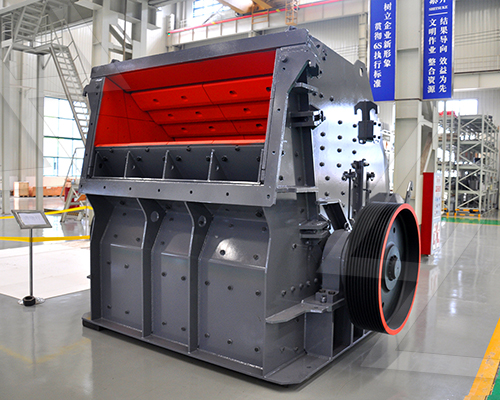
3. Secondary Crushing (Impact Crusher or Cone Crusher)
Secondary crushing further reduces the limestone to smaller pieces (20-70mm). A cone crusher is preferred for harder limestone, while an impact crusher works well for softer varieties. Zimbabwe’s power supply can be inconsistent, so selecting energy-efficient models reduces operational costs.
4. Screening and Classification
Use vibrating screens to separate crushed limestone into different sizes. Oversized material is sent back for re-crushing, while correctly sized material moves to storage or further processing. Proper screening ensures consistent product quality for construction, cement production, or agricultural applications.
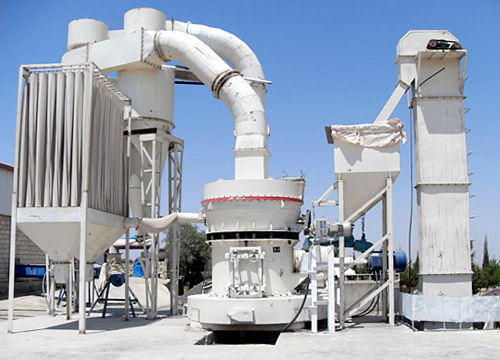
5. Tertiary Grinding (Ball Mill or Vertical Roller Mill)
If fine limestone powder is needed (e.g., for cement or industrial use), a grinding mill is required. A ball mill is cost-effective but less energy-efficient than a vertical roller mill (VRM). Given Zimbabwe’s power challenges, investing in a VRM may lower long-term energy consumption.
6. Dust Control and Environmental Compliance
Limestone processing generates significant dust. Install bag filters or wet scrubbers to minimize emissions. Zimbabwe’s environmental regulations must be followed, so ensure dust suppression systems are in place to protect workers and nearby communities.
7. Conveying and Storage
Efficient belt conveyors transport crushed limestone between stages. Covered storage areas prevent moisture absorption and contamination. Zimbabwe’s climate can be humid, so proper storage preserves limestone quality. .jpg)
8. Maintenance and Local Workforce Training
Regular maintenance prevents unexpected breakdowns. Train local workers to operate and service equipment, reducing reliance on foreign technicians and improving sustainability. 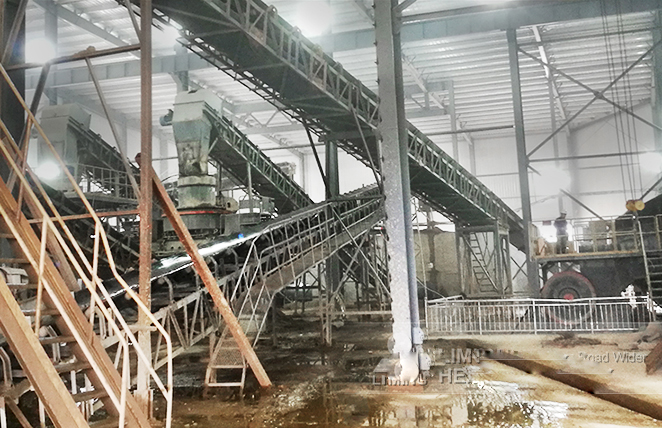
Conclusion
Processing 780TPH limestone efficiently in Zimbabwe requires robust equipment, energy optimization, and adherence to environmental standards. By implementing the right crushing, screening, and grinding systems, operators can maximize productivity while minimizing costs and environmental impact.
Author & industry specialist at ZWCC Mining & Crushing
.jpg)