Project Overview
How to Process 760TPH Limestone Efficiently in Tanzania
Limestone processing is a critical industry in Tanzania, supporting infrastructure development, cement production, and agriculture. With a demand for high-capacity processing (e.g., 760 tons per hour), optimizing efficiency is essential to meet both economic and environmental goals. This article outlines key strategies for achieving high-throughput limestone processing while minimizing operational costs.
1. Crushing and Screening Optimization
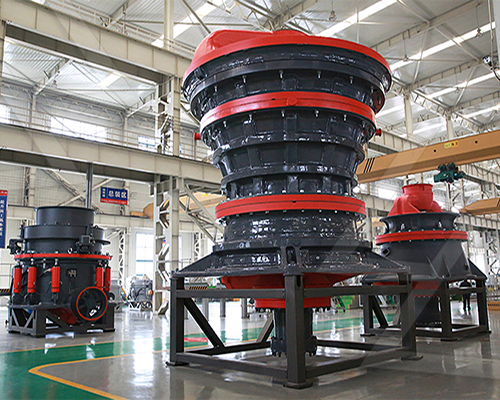
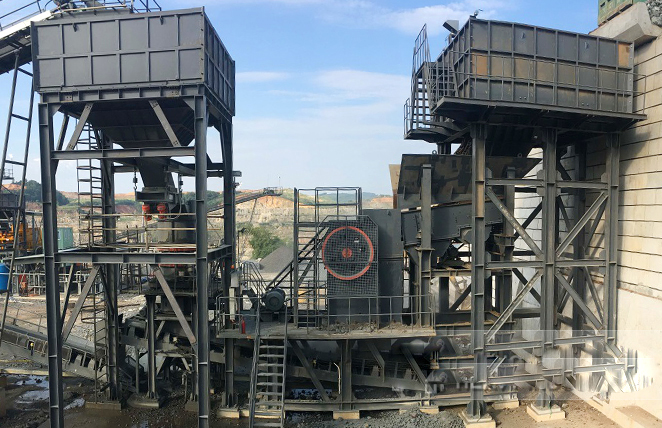
Primary crushing is the first step in limestone processing. Jaw crushers or gyratory crushers are typically used for large feed sizes, reducing raw limestone to manageable fragments. Secondary crushing with cone crushers or impact crushers further refines the material.
Screening ensures proper particle size distribution. Vibrating screens with multi-deck configurations improve separation efficiency. According to a report by Statista (2023), the global mining equipment market, including crushing and screening machinery, is projected to grow at a CAGR of 5.2% from 2023 to 2030, reflecting advancements in technology that enhance productivity (Statista, 2023).
2. Dust Control and Environmental Compliance
Limestone processing generates significant dust, which poses health and environmental risks. Wet suppression systems and baghouse filters are effective solutions. Tanzania’s mining regulations require adherence to air quality standards, making dust mitigation a priority.
3. Energy-Efficient Grinding
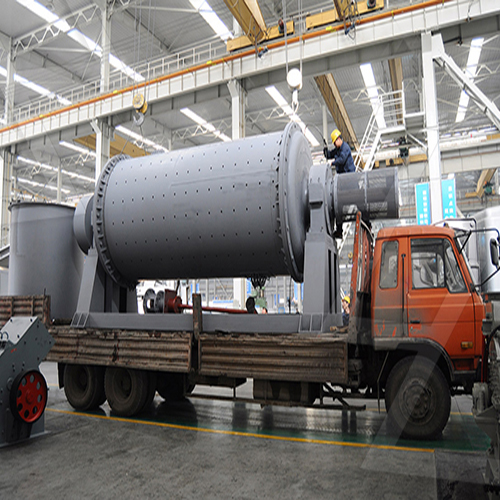
For fine grinding, vertical roller mills (VRMs) or ball mills are commonly used. VRMs consume 30-50% less energy than traditional ball mills, making them ideal for large-scale operations like 760TPH plants (International Cement Review, 2022).
4. Automation and Maintenance
Automated control systems optimize crusher settings, conveyor speeds, and energy usage in real time. Predictive maintenance using IoT sensors reduces downtime by identifying wear before failures occur.
Conclusion
Efficiently processing 760TPH limestone in Tanzania requires advanced crushing technology, dust management, energy-efficient grinding, and smart automation. By adopting these strategies, operators can maximize output while complying with environmental standards and reducing operational costs. 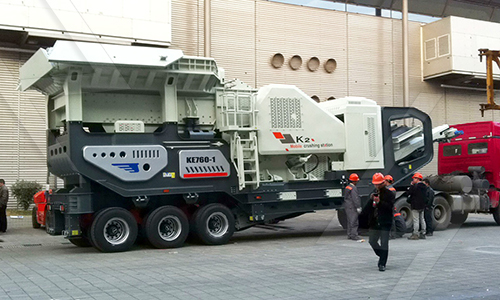
References:
- Statista (2023). Global Mining Equipment Market Size and Growth Forecast. Retrieved from www.statista.com
- International Cement Review (2022). Energy Efficiency in Cement Grinding. Retrieved from www.cemnet.com