Project Overview
Establishing a 250 TPH bauxite crushing line in Mali involves a complex investment landscape shaped by equipment selection, logistics, labor, and local infrastructure. As Mali seeks to expand its mining infrastructure amid rising global demand for aluminum, the development of efficient bauxite processing facilities has become a strategic priority. However, the capital required to build such a facility varies significantly depending on multiple technical and economic factors.
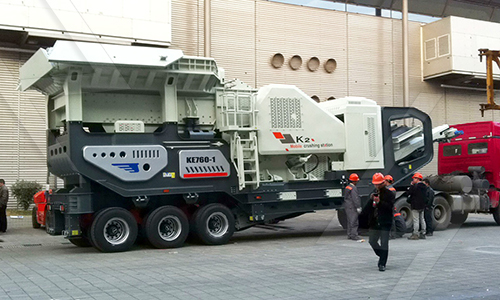
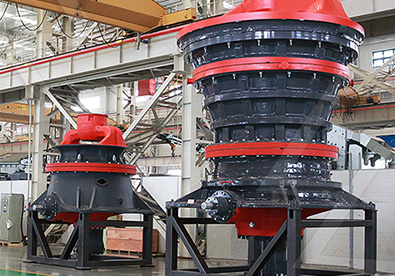
A 250 tons per hour (TPH) bauxite crushing line refers to a medium-to-large-scale processing plant designed to reduce raw bauxite ore into smaller, uniform sizes suitable for further refining. The core components typically include a primary jaw crusher, secondary cone or impact crusher, vibrating feeders, conveyor belts, screening units, and dust control systems. The total capital expenditure (CAPEX) for such a setup in a West African country like Mali typically ranges between $1.8 million and $3.2 million, depending on equipment quality, automation level, and site-specific conditions.
According to a 2022 mining equipment cost analysis by GlobalData, the average capital cost for a greenfield crushing and screening plant with a capacity of 200–300 TPH in sub-Saharan Africa falls within this range, with higher costs associated with modular, fully automated systems and pre-engineered environmental compliance features (GlobalData, 2022). Additionally, ancillary expenses such as site preparation, power supply setup, water management, and labor training can add 15–25% to the base equipment cost.
Mali’s relatively underdeveloped industrial infrastructure influences overall project costs. Transportation of heavy machinery to remote mining areas—where bauxite reserves are primarily located in the southern regions near the Guinea border—can significantly increase logistics expenditures. Import duties, customs clearance delays, and limited local technical expertise may also inflate operational expenses. A report by the African Development Bank (AfDB) highlights that transportation and logistics account for up to 30% of total mining project costs in landlocked countries like Mali, compared to 15–20% in coastal nations with better port access (AfDB, 2021).
Furthermore, compliance with environmental and safety regulations adds another layer of cost. Dust suppression systems, noise control enclosures, and wastewater recycling units are increasingly required by Malian mining authorities and international investors. These systems, while raising upfront investment, help ensure long-term operational sustainability and community acceptance.
Labor costs in Mali remain relatively low compared to global standards. Skilled technician wages average $800–$1,200 per month, while unskilled laborers earn approximately $250–$400 monthly. However, ongoing training and maintenance contracts with equipment suppliers are often necessary to maintain efficiency, especially when using advanced control systems.
In summary, a 250 TPH bauxite crushing line in Mali is estimated to cost between $2 million and $3.5 million when factoring in equipment, site development, logistics, and regulatory compliance. While initial investment is substantial, the growing global demand for aluminum—projected to increase by 2.8% annually through 2030 (Statista, 2023)—makes such infrastructure projects increasingly viable, particularly in resource-rich nations seeking to add value domestically rather than exporting raw ore..jpg)
References:
- GlobalData. (2022). Mining Equipment and Capital Cost Forecast 2022–2026.
- African Development Bank (AfDB). (2021). Infrastructure Challenges in Landlocked African Countries.
- Statista. (2023). Global Aluminum Demand Forecast 2023–2030. https://www.statista.com/statistics/218662/global-aluminum-demand/