.jpg)
How Does a Mobile Crushing Plant Reduce Your Operating Costs in Remote Locations?
Project Overview
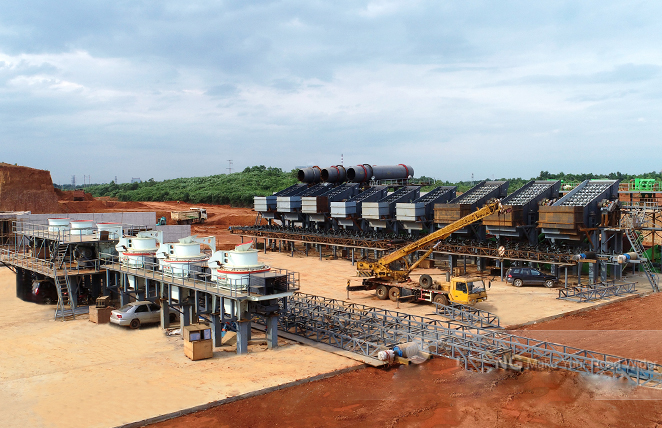
Operating in remote locations presents significant logistical and financial challenges, particularly in industries such as mining, construction, and infrastructure development. One innovation that has proven effective in reducing operating costs under these conditions is the mobile crushing plant. By bringing the processing unit directly to the raw material source, mobile crushing plants eliminate the need for transporting large volumes of raw aggregate over long distances—resulting in substantial cost savings and improved efficiency.
Traditional crushing operations typically involve extracting raw material from a quarry or mine, then hauling it to a centralized, stationary crushing facility—often located miles away. In remote areas where road infrastructure is poor or non-existent, this transportation can account for up to 40% of total production costs, according to a 2021 mining operations report by McKinsey & Company. Mobile crushing plants address this issue by deploying compact, self-contained crushing units directly at the extraction site. This on-site processing reduces trucking requirements, fuel consumption, and vehicle maintenance, all of which contribute to lower operational expenditures.
Additionally, mobile crushing plants offer greater flexibility in deployment. They can be relocated quickly as work progresses across different sections of a site, minimizing downtime associated with repositioning equipment. A study published in the International Journal of Mining, Reclamation and Environment (2020) found that mobile crushing systems reduced material handling time by an average of 30% compared to fixed plants in remote mining projects in Australia and Canada. This agility translates to faster project turnaround and reduced labor costs..jpg)
Energy efficiency is another area where mobile units outperform traditional setups. Modern mobile crushers are designed with fuel-efficient engines and automation systems that optimize performance based on feed input. According to Statista (2023), mobile crushing equipment consumes approximately 15–20% less energy per ton of processed material than older, stationary systems, primarily due to reduced material movement and improved machine responsiveness.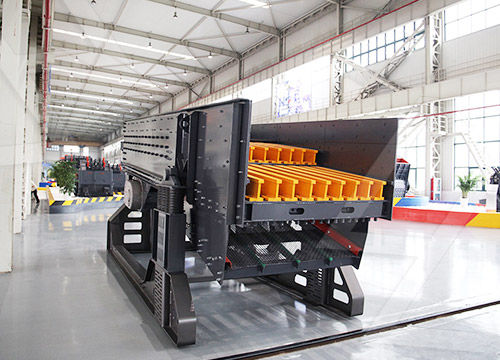
Environmental compliance also becomes more manageable with mobile plants. By processing materials on-site, companies reduce dust and emissions associated with long-haul transportation. Many mobile units now come equipped with integrated dust suppression and noise reduction systems, helping operators meet regulatory standards without additional infrastructure investment.
In conclusion, mobile crushing plants significantly lower operating costs in remote locations by minimizing transportation, improving energy efficiency, and enhancing operational flexibility. Supported by industry data and field studies, these systems represent a strategic investment for companies operating in isolated or logistically complex environments.
Sources:
- Statista. (2023). “Energy Consumption in Mobile vs. Stationary Crushing Equipment.” Retrieved from https://www.statista.com
- International Journal of Mining, Reclamation and Environment. (2020). “Operational Efficiency of Mobile Crushing Systems in Remote Mining Sites,” Vol. 34, Issue 5, pp. 321–335.
- McKinsey & Company. (2021). “Cost Drivers in Remote Mining Operations: A Global Benchmarking Study.”
.jpg)
.jpg)