.jpg)
Project Overview
In recent years, Mexico has emerged as a key player in the global mining industry, particularly in the production of copper and gold. With abundant mineral reserves and supportive government policies, the country offers a favorable environment for establishing mineral processing facilities. Building a 360 tons per hour (TPH) copper-gold processing plant in Mexico requires strategic planning, technical expertise, and compliance with local regulations. This article outlines the key steps and considerations for developing such a facility.
The first step in establishing a 360TPH copper-gold processing plant is conducting a comprehensive feasibility study. This includes geological surveys to confirm ore grade and tonnage, metallurgical testing to determine recovery rates, and infrastructure assessment. According to a 2023 report by the Mexican Institute of Mining, Metallurgy, and Chemistry (IMMCM), the average copper grade in major Mexican deposits ranges from 0.4% to 0.8%, while gold content varies between 0.2 and 1.0 grams per ton, depending on the region. These values are critical for designing an efficient processing flow sheet..jpg)
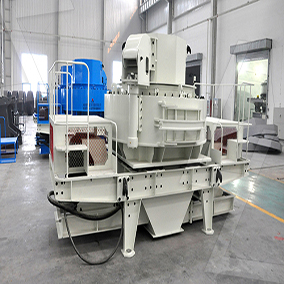
The processing plant design typically begins with crushing and grinding. A 360TPH operation would require a primary jaw crusher followed by secondary and tertiary cone or impact crushers to reduce the ore to a size suitable for grinding. A semi-autogenous grinding (SAG) mill, followed by a ball mill in a closed circuit with hydrocyclones, is commonly used to achieve the desired liberation size. For a copper-gold ore body, achieving optimal liberation is essential to maximize recovery in downstream processes.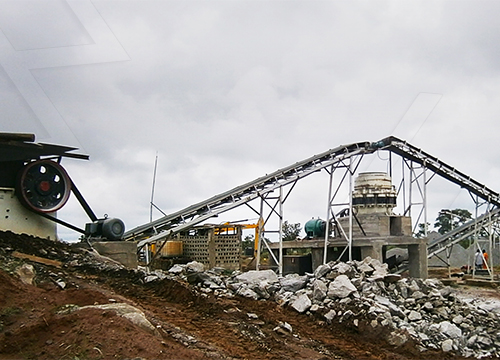
After grinding, the ore undergoes physical separation. A combination of gravity concentration and froth flotation is typically employed. Gravity recovery units such as Knelson concentrators or centrifugal separators can effectively capture coarse free gold particles early in the process, reducing downstream losses. The bulk of the copper and remaining gold is then recovered through froth flotation. Multiple cleaning stages are usually required to produce a high-grade copper-gold concentrate. According to a technical study published in Minerals Engineering (2021), integrating gravity pre-concentration into flotation circuits can improve overall gold recovery by 5–15%, depending on ore characteristics.
Once the concentrate is produced, it must be thickened, filtered, and stored for transport to a smelter. Tailings management is another critical aspect, especially in Mexico, where environmental regulations are stringent. The tailings storage facility (TSF) must comply with standards set by Mexico’s Ministry of Environment and Natural Resources (SEMARNAT). Dry stacking or paste tailings technologies are increasingly preferred to reduce water usage and environmental risk.
Water availability and energy supply are pivotal in plant location and operation. Northern Mexico, particularly states like Sonora and Chihuahua, hosts most of the country’s copper-gold operations and offers established infrastructure. However, water scarcity remains a challenge. A 2022 report by Statista indicates that mining accounts for approximately 2.5% of total water consumption in Mexico, with many operations investing in water recycling systems to achieve over 85% reuse rates.
Environmental and community engagement cannot be overlooked. Successful projects require Social License to Operate (SLO), which involves transparent communication with local communities, impact assessments, and benefit-sharing agreements. The Canadian-owned Peñasquito mine in Zacatecas, one of Mexico’s largest gold and silver producers, serves as a benchmark for integrating community development into mining operations.
Finally, capital investment for a 360TPH copper-gold processing plant typically ranges from USD 150 to 200 million, depending on location, ore complexity, and infrastructure requirements. Operating costs, including labor, energy, and reagents, must be optimized to ensure profitability, especially in fluctuating commodity markets.
In conclusion, building a 360TPH copper-gold processing plant in Mexico is a complex but viable endeavor. Success hinges on sound technical design, adherence to environmental standards, and strong community relations. With proven reserves and growing demand for copper in renewable energy and electric vehicles, Mexico’s mining sector is poised for continued growth.
Sources:
- Statista. (2022). Water Consumption in the Mining Sector in Mexico from 2015 to 2022. Retrieved from https://www.statista.com
- Minerals Engineering. (2021). “Enhancing Gold Recovery in Copper-Gold Ores through Gravity Pre-concentration.” Vol. 168, pp. 107–115.
- Mexican Institute of Mining, Metallurgy, and Chemistry (IMMCM). (2023). National Report on Metallic Ore Reserves and Production.
.jpg)
.jpg)