Project Overview
How to Build a 500TPH Silver Processing Plant in Honduras
Building a 500-ton-per-hour (TPH) silver processing plant in Honduras requires careful planning, significant investment, and adherence to local regulations. The country’s rich silver reserves, particularly in regions like Santa Bárbara and Choluteca, make it an attractive location for mining operations. This article outlines the key steps and considerations for establishing a large-scale silver processing facility.
Step 1: Feasibility Study and Site Selection
A thorough feasibility study is critical before construction begins. This includes geological surveys to confirm silver ore grades, infrastructure assessments, and environmental impact evaluations. According to a 2022 report by Statista, Honduras produced approximately 53 metric tons of silver in 2021, demonstrating its potential as a mining hub (Statista, 2022).
Key factors for site selection:
- Proximity to high-grade silver deposits
- Access to water and reliable power sources
- Transportation links for raw material and product logistics
Step 2: Regulatory Compliance and Permits
Honduras has specific mining laws overseen by the Secretary of Natural Resources and Environment (SERNA). Companies must obtain: .jpg)
- Exploration and extraction licenses
- Environmental permits (including water usage and waste management approvals)
- Community engagement agreements to ensure local support
Step 3: Plant Design and Equipment
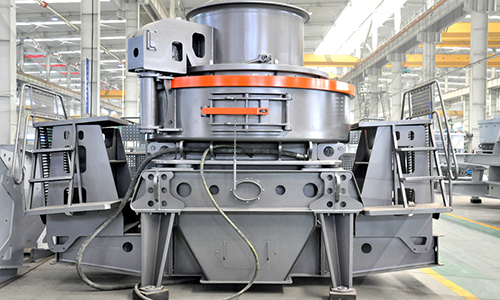
A 500TPH plant requires robust machinery for crushing, grinding, flotation, and smelting. Key components include:
- Primary Jaw Crusher – Reduces ore size for further processing
- Ball Mills & SAG Mills – Grinds ore into fine particles
- Flotation Cells – Separates silver from waste material
- Electrowinning or Smelting Furnace – Refines silver concentrate
Efficiency is critical; modern plants use automated control systems to optimize recovery rates.
Step 4: Infrastructure and Workforce
Reliable infrastructure ensures smooth operations:
- On-site power generation or grid connection (backup generators recommended)
- Water treatment facilities for tailings management
- Skilled labor—Honduras has a growing mining workforce, but specialized training may be needed
Step 5: Environmental and Safety Measures
Sustainable mining practices are essential. Implementing:
- Tailings dams with leak detection systems
- Dust suppression technologies
- Regular emissions monitoring
Worker safety protocols must comply with Honduran labor laws and international standards (e.g., ISO 45001).
Conclusion
Establishing a 500TPH silver processing plant in Honduras is a complex but rewarding venture. With proper planning, regulatory compliance, and investment in efficient technology, operators can capitalize on the country’s silver resources while ensuring environmental and social responsibility.
Reference:
Statista. (2022). Silver production in Honduras from 2010 to 2021. Retrieved from www.statista.com
.jpg)