.jpg)
Project Overview
How to Choose the Right Cone Crusher for Hard Stone Crushing
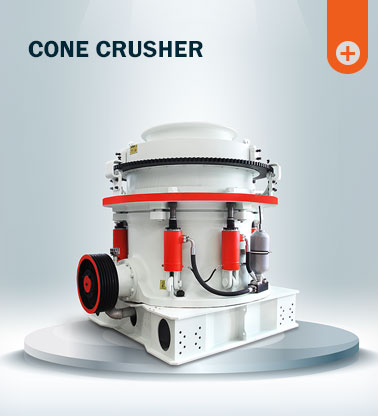
Selecting the appropriate cone crusher for hard stone crushing is a critical decision that impacts productivity, operational costs, and long-term equipment performance. Hard stones such as granite, basalt, and quartzite require durable machinery with optimal crushing capabilities. To ensure efficiency and longevity, several key factors must be considered.
Key Considerations for Cone Crusher Selection
1. Material Hardness and Abrasiveness
Hard stones exert significant wear on crusher components. The Mohs hardness scale is a useful reference—granite typically ranges between 6 and 7, while basalt falls between 6 and 8 (Geological Society of America, 2021). Cone crushers with high-grade manganese steel liners and robust hydraulic systems are better suited for such materials.
2. Crushing Chamber Design
The shape and size of the crushing chamber directly influence output gradation and capacity. For hard stone processing, a steep chamber design with a finer closed-side setting (CSS) ensures better particle shape and reduces recirculation load. According to a 2022 industry report by McKinsey & Company, optimizing chamber geometry can improve crushing efficiency by up to 20% for hard rock applications.
3. Power and Drive System
Higher horsepower is necessary to crush hard stones effectively. A cone crusher with a variable-speed drive allows operators to adjust the eccentric speed to match material hardness, reducing energy consumption while maintaining throughput. .jpg)
4. Maintenance and Wear Parts Accessibility
Frequent wear part replacement is inevitable when processing abrasive materials. Crushers with easy-access designs for liner changes minimize downtime. Manufacturers like Sandvik and Metso offer models with hydraulic adjustment systems that simplify maintenance. 
5. Automation and Control Systems
Modern cone crushers feature advanced automation, such as real-time performance monitoring and automatic setting adjustments. These systems optimize crushing efficiency and prevent equipment overload. A study by Statista (2023) revealed that crushers equipped with smart controls reduce unplanned downtime by 30% in hard rock operations.
Conclusion
Choosing the right cone crusher for hard stone crushing requires evaluating material properties, chamber design, power efficiency, and maintenance features. Investing in a well-matched crusher not only enhances productivity but also reduces long-term operational costs.
References:
- Geological Society of America. (2021). Rock Hardness Classification Guide.
- McKinsey & Company. (2022). Optimizing Crushing Efficiency in Mining Operations.
- Statista. (2023). Impact of Automation on Crusher Performance in the Mining Sector.