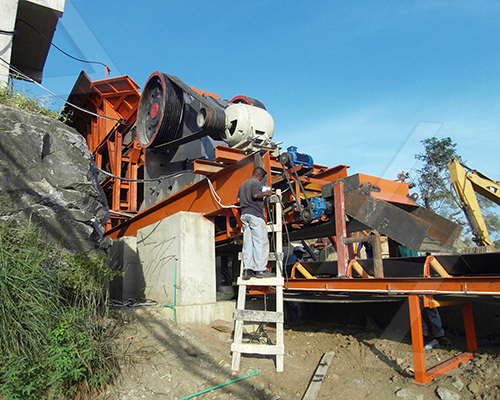
Project Overview
How to Choose the Right Crusher for Limestone, Gypsum, and Dolomite Crushing
Selecting the appropriate crusher for processing limestone, gypsum, or dolomite is crucial for optimizing efficiency, reducing operational costs, and ensuring product quality. Each material has unique hardness, abrasiveness, and moisture characteristics, which influence crusher selection. Below is a guide to choosing the right crushing equipment for these minerals.
Understanding Material Properties
Before selecting a crusher, it’s essential to analyze the physical and chemical properties of the material:
- Limestone: A sedimentary rock with moderate hardness (Mohs scale 3-4). It is less abrasive but may contain varying moisture levels.
- Gypsum: Softer than limestone (Mohs scale 2), but it can be sensitive to heat and moisture.
- Dolomite: Harder than limestone (Mohs scale 3.5-4), with higher abrasiveness, requiring more durable crushing solutions.
Types of Crushers and Their Suitability
1. Jaw Crusher
Ideal for primary crushing of hard and abrasive materials like dolomite. Jaw crushers provide high reduction ratios (6:1) and handle large feed sizes effectively. However, they may produce more fines than required for some applications.
2. Impact Crusher
Suitable for medium-hard materials such as limestone and gypsum. Impact crushers offer better shape control and produce a more uniform product, making them a preferred choice for construction aggregates. According to Statista, the global demand for crushed stone (including limestone) reached 50 billion metric tons in 2022, highlighting the need for efficient crushing solutions (Statista, 2023).
3. Cone Crusher
Best for secondary or tertiary crushing of hard and abrasive materials like dolomite. Cone crushers provide excellent particle shape and high throughput but require more maintenance than impact crushers. .jpg)
4. Hammer Crusher
Effective for soft to medium-hard materials like gypsum and limestone, especially when high reduction ratios are needed. However, hammer crushers may wear out faster when processing abrasive materials.
Key Selection Criteria
- Material Hardness & Abrasiveness: Harder materials like dolomite require robust crushers (jaw or cone), while softer materials like gypsum can be processed with impact or hammer crushers.
- Moisture Content: High moisture levels may cause clogging in jaw and cone crushers; in such cases, impact crushers with proper adjustments are preferable.
- Desired Product Size & Shape: Impact crushers yield better-shaped aggregates, whereas jaw crushers are better for coarse crushing.
- Production Capacity: High-capacity operations may necessitate cone crushers or multiple-stage crushing setups.
Conclusion
Choosing the right crusher for limestone, gypsum, or dolomite depends on material properties, desired output, and operational efficiency. Jaw and impact crushers are commonly used for limestone and gypsum, while cone crushers are better for dolomite. Industry trends, such as the rising demand for crushed stone, underscore the importance of selecting the right crushing equipment to meet production needs.
Reference
- Statista. (2023). Global demand for crushed stone from 2015 to 2022. Retrieved from www.statista.com
.jpg)
.jpg)
.jpg)