How to Choose the Right Feeder for Your Crusher to Maximize Efficiency
Selecting the appropriate feeder for your crusher is critical to optimizing crushing efficiency, reducing downtime, and prolonging equipment life. The feeder ensures a consistent and controlled flow of material into the crusher, preventing bottlenecks and uneven wear. This guide explores key factors to consider when choosing a feeder, supported by industry insights and data.
Key Factors in Feeder Selection
1. Material Characteristics
The type of material being processed—whether hard rock, soft aggregate, or sticky clay—determines the ideal feeder design. For abrasive materials, vibratory feeders with wear-resistant linings are often recommended, while apron feeders handle heavy, large-sized ores more effectively.
2. Feed Rate and Capacity
Matching the feeder’s capacity to the crusher’s throughput is essential. Overloading can cause blockages, while underfeeding reduces productivity. According to a 2022 industry report by Global Mining Review, improper feeder selection accounts for nearly 15% of crushing plant inefficiencies (Global Mining Review, 2022).
3. Crusher Type Compatibility
- Jaw Crushers: Typically paired with vibrating grizzly feeders to remove fines before crushing.
- Cone Crushers: Work best with belt or apron feeders for steady material flow.
- Impact Crushers: Often require high-capacity feeders to handle rapid material intake.
4. Operation Environment
Dusty or wet conditions may necessitate enclosed feeders, while high-temperature environments demand heat-resistant components. 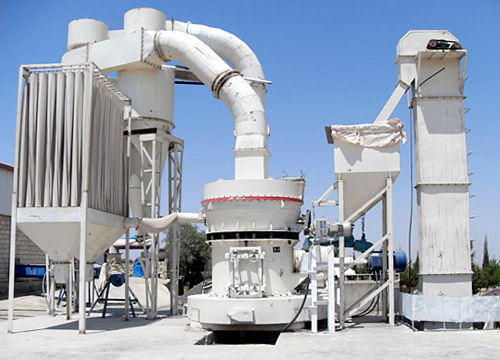
Popular Feeder Types and Their Applications
- Vibrating Feeders: Ideal for uniform feeding of small to medium-sized materials.
- Apron Feeders: Best for heavy, coarse materials like blasted rock.
- Belt Feeders: Suitable for fine or granular materials requiring precise control.
- Grizzly Feeders: Used to scalp out fines before primary crushing.
Maintenance and Longevity
Regular inspection of feeder components—such as belts, chains, and vibratory motors—can prevent unexpected breakdowns. A study published in Minerals Engineering (2021) found that proactive maintenance reduces feeder-related downtime by up to 30% (Minerals Engineering, 2021). 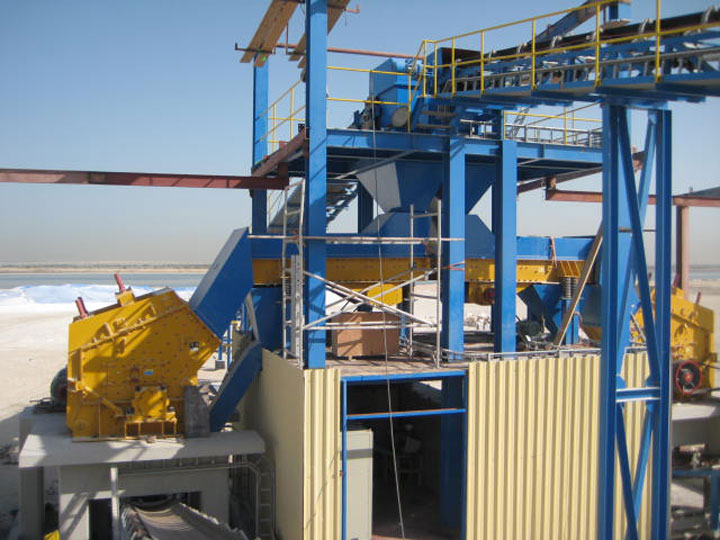
Conclusion
Choosing the right feeder involves evaluating material properties, crusher requirements, and operational conditions. Investing in the correct feeder not only boosts efficiency but also lowers long-term costs. For optimal results, consult equipment manufacturers and leverage real-world data to guide your decision.
References
- Global Mining Review. (2022). Optimizing Crushing Performance in Mineral Processing.
- Minerals Engineering. (2021). Impact of Maintenance Strategies on Feeder Reliability in Crushing Plants.
Author & industry specialist at ZWCC Mining & Crushing
.jpg)