Project Overview
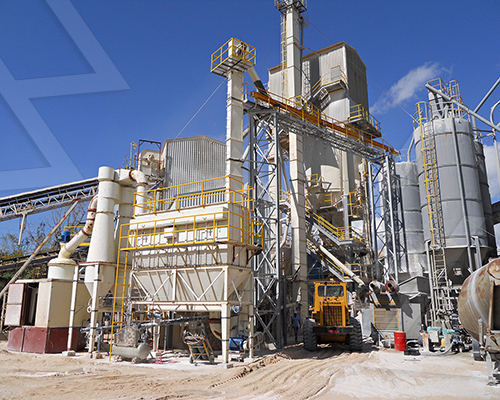
Configuring a 350TPH river stone processing line in Kenya requires careful planning, technical analysis, and consideration of local geological and logistical conditions. River stones, commonly found along riverbeds in regions such as the Tana River and Athi River basins, are widely used in construction, road building, and concrete production. With Kenya’s construction sector growing at an annual rate of approximately 6.3% from 2020 to 2023 (Statista, 2023), demand for processed aggregates has surged, making efficient stone processing lines a strategic investment.
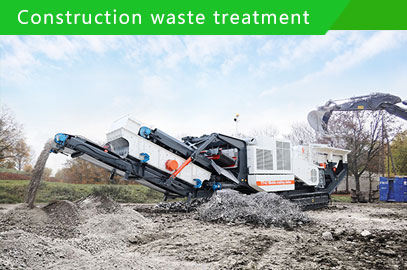
A 350 tons per hour (TPH) processing line must balance feed consistency, crushing efficiency, screening accuracy, and conveyance reliability. The configuration typically begins with raw material collection. River stones vary in size and composition, often ranging from 50 mm to 300 mm in diameter, with moderate abrasiveness. Therefore, primary crushing should accommodate large feed sizes and high moisture content, common in river-washed materials.
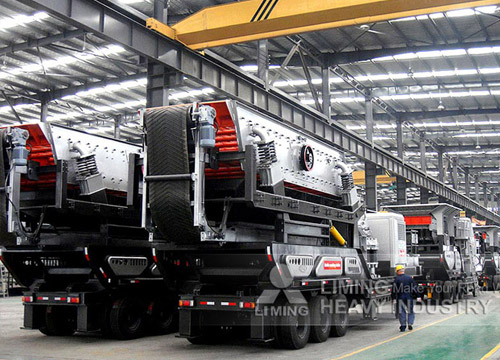
The recommended setup includes a vibrating feeder (e.g., 1,100 x 4,200 mm) to regulate material flow and reduce surges into the jaw crusher. A robust primary jaw crusher, such as a PE-1200×1500 model, can handle the maximum feed size and deliver a consistent output of 150–200 mm. This stage ensures reduction to a size suitable for secondary processing.
Following primary crushing, a cone crusher (e.g., CS Series or HST Multi-cylinder Hydraulic Cone Crusher) functions as the secondary unit. Operating at a closed-side setting of 25–35 mm, it produces cubical particles ideal for high-quality aggregates. For a 350TPH line, a hydraulic system with automatic cavity clearing enhances uptime and protects against tramp metal damage.
Tertiary crushing may be necessary if finer grading is required for specific applications like asphalt mix or precast concrete. A vertical shaft impact crusher (VSI), such as a Barmac-type crusher, can be added to improve particle shape and meet stringent specifications for cubical aggregates. The VSI operates efficiently at 80–100 TPH, supplementing the main flow without overloading the system.
Screening is critical to meet product specifications. A triple-deck inclined screen (3YK2460 or equivalent) with modular decks allows separation into multiple fractions: 0–5 mm (sand), 5–10 mm, 10–20 mm, and 20–30 mm. High-frequency screens can be used for fine material recovery, especially in wet processing setups. Water recycling systems are advisable in areas with water scarcity, aligning with Kenya’s Water Act of 2016 on sustainable usage.
Conveyor belts, typically 800–1000 mm wide and operating at 1.2–1.6 m/s, transport material between stages. Belt speed and incline angles must be optimized to prevent spillage and material degradation. Centralized control via a PLC system enables real-time monitoring of motor loads, vibration levels, and crusher settings, minimizing downtime.
Power requirements for such a plant range from 800 to 1,100 kW, depending on crusher types and operational load. In Kenya, where grid instability is common, integrating backup power (e.g., diesel generators or solar hybrid systems) ensures continuous operation. Additionally, noise and dust control measures—such as enclosures, water sprays, and baghouse filters—are essential to comply with National Environmental Management Authority (NEMA) regulations.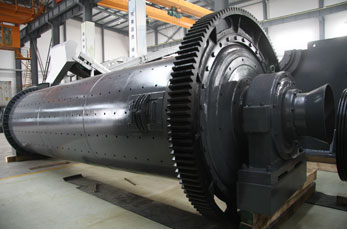
Site selection near river sources reduces haulage costs. For instance, operations along the Tana River near Garissa or Kitui benefit from abundant raw material and proximity to infrastructure projects like the Standard Gauge Railway extensions. However, environmental impact assessments (EIAs) are mandatory before extraction begins.
According to a 2022 report by Research and Markets, East Africa’s construction aggregates market is projected to grow at a CAGR of 7.1% through 2027, driven by urbanization and public infrastructure investment (Research and Markets, 2022). This trend underscores the viability of medium-to-large-scale processing lines in Kenya.
In conclusion, configuring a 350TPH river stone processing line involves integrating robust equipment, optimizing material flow, and adhering to environmental standards. With proper engineering and maintenance, such a plant can support Kenya’s infrastructure development while delivering strong returns on investment.
References:
- Statista. (2023). Construction Industry Growth in Kenya from 2020 to 2023. Retrieved from https://www.statista.com
- Research and Markets. (2022). East Africa Construction Aggregates Market – Opportunities and Forecasts, 2022–2027.
.jpg)