.jpg)
Project Overview
Configuring a 380 TPH River Stone Processing Line in Oman requires careful planning, technical evaluation, and consideration of local geological and logistical factors. Oman’s growing infrastructure and construction sectors have increased demand for high-quality aggregates, making efficient stone processing plants a strategic investment. A well-designed 380 tons per hour (TPH) river stone processing line must balance throughput, product quality, energy efficiency, and maintenance accessibility.
The first step in configuring the processing line is site assessment. River stones in Oman, particularly from wadis in regions like Al Batinah and Dhofar, typically consist of basalt, quartzite, and granite with moderate to high abrasiveness. These materials require robust crushing equipment. The processing line should begin with a robust vibrating feeder to ensure a consistent and controlled feed rate into the primary crusher. A jaw crusher is typically selected as the primary crusher due to its reliability in handling large, irregular feed sizes. For a 380 TPH capacity, a model such as the C120 or equivalent with a feed opening of 1200 x 900 mm is recommended to handle feed sizes up to 750 mm.
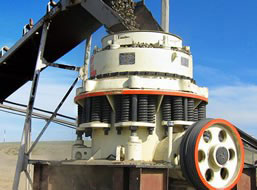
After primary crushing, the material is conveyed to a secondary cone crusher. Given the hardness of river stones, a multi-cylinder hydraulic cone crusher (e.g., CS or HP series) is ideal for achieving cubical shape and controlled gradation. This stage typically reduces material to sizes ranging from 30 mm to 50 mm. A vibrating screen with dual decks (typically 3.6m x 7.3m) is then used to separate aggregates by size before they enter the tertiary crushing stage.
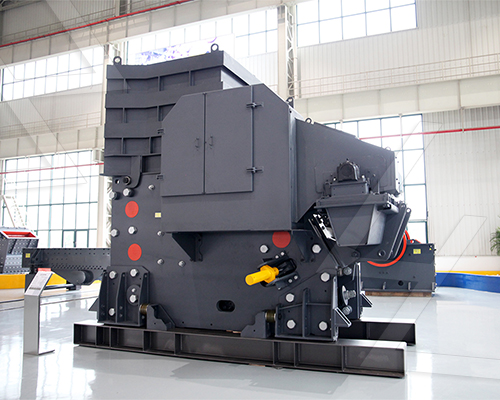
For tertiary crushing, a vertical shaft impactor (VSI) is highly effective in producing high-quality, well-shaped fine aggregates essential for concrete and asphalt applications. The VSI also helps in reducing flakiness and improving particle surface texture. The entire system should be supported by a closed-circuit configuration with return conveyors to recirculate oversized particles back into the crushing chamber, ensuring product consistency.
Washing is a critical component when processing river stone, as silt and clay content can affect product quality. A log washer or screw classifier should be integrated before final stockpiling, especially if the end product is destined for high-specification construction projects. According to a 2022 report by Global Market Insights, the demand for washed aggregates in the GCC region grew by 6.3% annually between 2017 and 2021, driven by stricter construction standards (Global Market Insights, 2022).
Power requirements for a 380 TPH plant typically range between 800–1,000 kW, depending on crusher types and plant layout. Diesel generators or grid connections must be evaluated based on site location and reliability. In remote areas of Oman, hybrid power solutions are increasingly common to reduce fuel costs and emissions.
Environmental compliance is another key consideration. Dust suppression systems using water sprays at transfer points and enclosed conveyors help meet Omani environmental regulations. Additionally, noise levels should be monitored, particularly near residential zones..jpg)
Automation plays a growing role in optimizing plant performance. PLC-controlled systems can monitor feed rates, crusher settings, and conveyor speeds in real time, improving uptime and reducing manual intervention. A 2023 study published in the International Journal of Mining and Mineral Engineering noted that automated aggregate plants saw up to 18% improvement in operational efficiency compared to manually operated systems (IJMME, 2023).
Finally, spare parts availability and service support are crucial. Partnering with suppliers that have local service centers in Oman—such as those in Muscat or Sohar—ensures faster maintenance response times and minimizes downtime.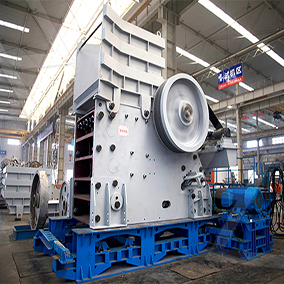
In conclusion, a 380 TPH river stone processing line in Oman should be configured with durable, staged crushing equipment, integrated washing, and automation to meet the region’s construction demands. By aligning technical specifications with local material characteristics and regulatory standards, operators can achieve optimal productivity and product quality.
References:
Global Market Insights. (2022). Construction Aggregates Market Size, Share & Trends Analysis Report. Retrieved from https://www.gminsights.com
International Journal of Mining and Mineral Engineering (IJMME). (2023). “Impact of Automation on Aggregate Plant Efficiency,” Vol. 14, Issue 2, pp. 112–125.
.jpg)