Project Overview
How to Configure a Complete Stone Crushing and Screening Plant
Setting up a complete stone crushing and screening plant requires careful planning and consideration of various factors, including raw material characteristics, production capacity, and end-product specifications. This guide outlines the key steps and components necessary for an efficient and productive operation.
1. Site Selection and Preparation
Before installation, conduct a thorough site assessment to ensure accessibility, stability, and proximity to raw materials. Geological surveys should identify rock hardness, abrasiveness, and moisture content, which influence equipment selection. Proper site leveling and drainage systems must be established to prevent operational disruptions.
2. Primary Crushing Stage
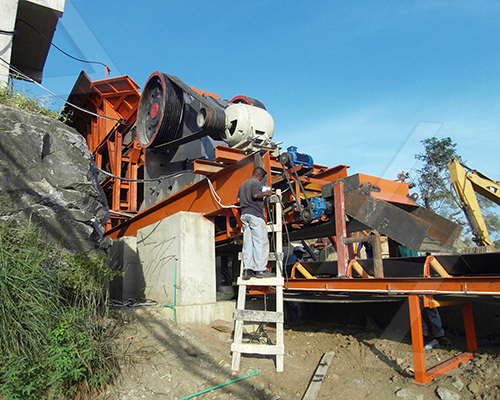
The primary crusher reduces large rocks into manageable sizes. Jaw crushers are commonly used for hard and abrasive materials, while gyratory crushers suit high-capacity operations. According to a Statista report, the global mining equipment market, including crushing machinery, is projected to reach $156 billion by 2027, reflecting increasing demand for efficient crushing solutions (Statista, 2023).
3. Secondary and Tertiary Crushing
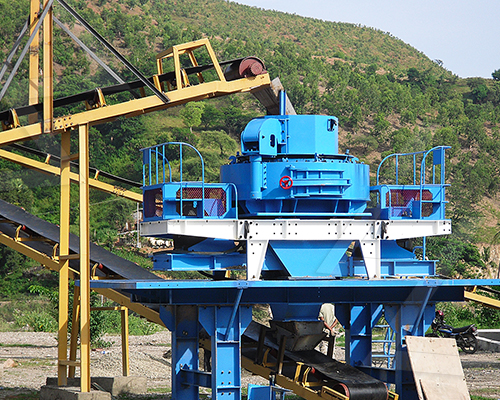
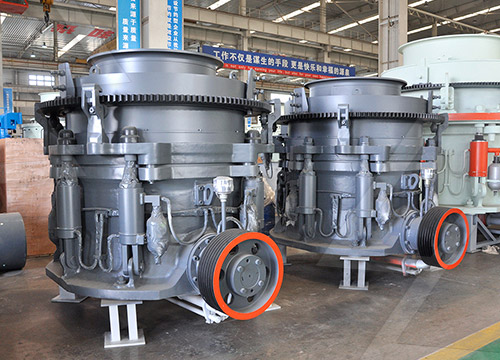
Secondary crushers (e.g., cone crushers or impact crushers) further refine the material. Tertiary crushing ensures the desired particle size distribution. Screening equipment, such as vibrating screens, separates crushed stone into different grades.
4. Screening and Material Handling
Efficient screening maximizes product quality. Multi-deck screens classify aggregates into sizes like 0-5mm, 5-20mm, or 20-40mm. Conveyors transport material between stages, reducing manual handling and increasing productivity. 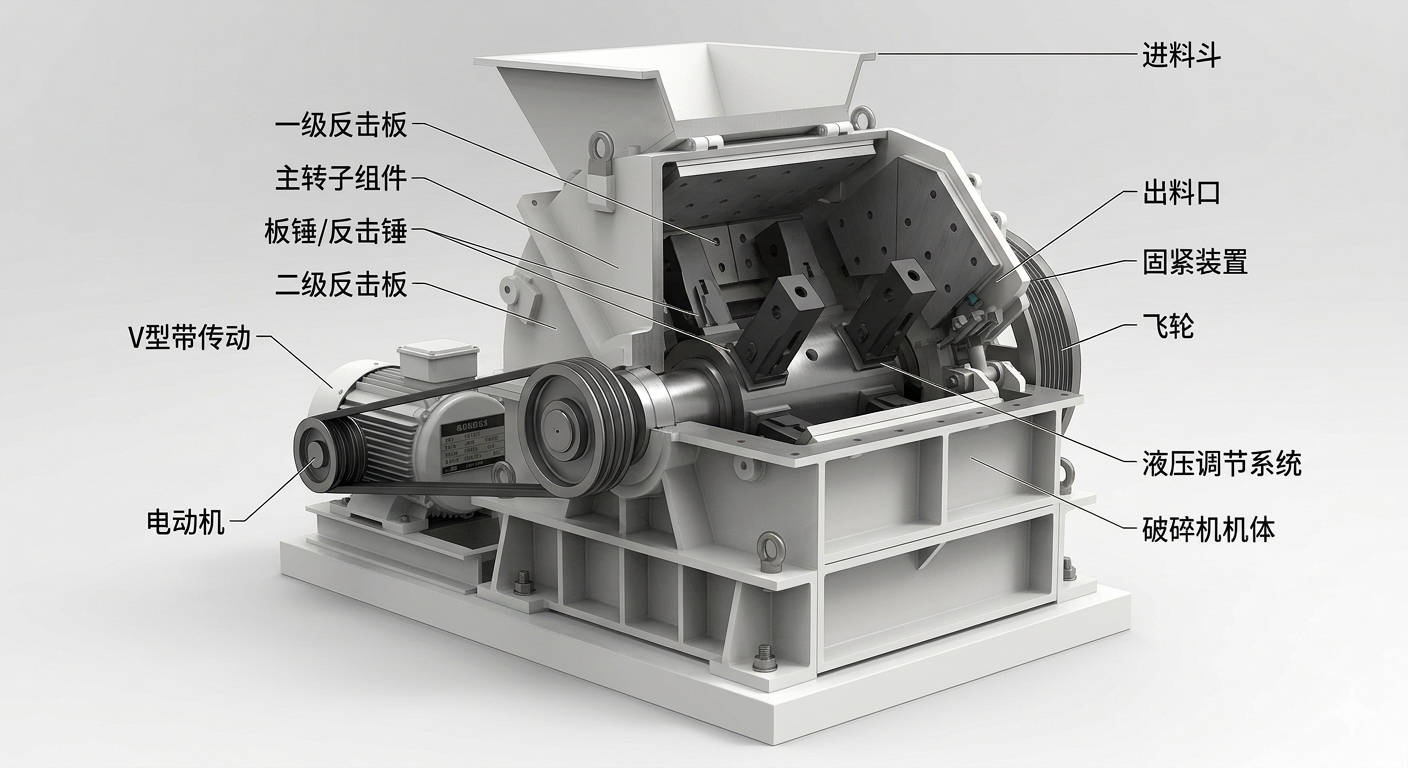
5. Dust Control and Environmental Compliance
Dust suppression systems (e.g., water sprays or bag filters) mitigate airborne particles. Compliance with local environmental regulations is critical. A study in the Journal of Cleaner Production highlights that proper dust management reduces health risks and operational downtime (Zhang et al., 2021).
6. Automation and Optimization
Modern plants integrate automation systems for real-time monitoring and adjustments. PLC-based controls optimize energy consumption and reduce wear on components.
Conclusion
A well-configured stone crushing and screening plant balances efficiency, cost-effectiveness, and environmental sustainability. By selecting appropriate equipment and adhering to best practices, operators can achieve high yields and long-term profitability.
References:
- Statista. (2023). Global mining equipment market size forecast 2027.
- Zhang, L., et al. (2021). “Dust emission reduction in stone crushing plants.” Journal of Cleaner Production, 289, 125801.
.jpg)