How to Ensure Your Crushing Plant Meets Environmental and Safety Standards in Africa?
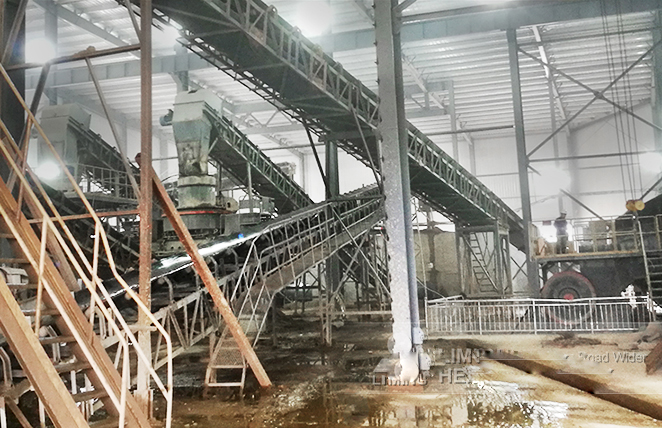
Ensuring that a crushing plant meets environmental and safety standards in Africa is not only a legal necessity but also a critical factor in sustaining operations, protecting workers, and maintaining community trust. With increasing scrutiny from regulatory bodies and local communities, mining and aggregate companies must adopt comprehensive strategies to align their crushing operations with regional and international benchmarks.
One of the primary concerns in Africa’s mining and construction sectors is dust emissions. Crushing plants generate significant amounts of particulate matter (PM10 and PM2.5), which can lead to respiratory issues in nearby populations and environmental degradation. According to a 2022 report by Statista, dust pollution from industrial sources contributes to over 20% of ambient air pollution in major mining regions across sub-Saharan Africa, particularly in countries like South Africa, Ghana, and Zambia (Statista, 2022). To mitigate this, operators should install high-efficiency dust suppression systems such as water sprays, fog cannons, and enclosed conveyor systems. Regular maintenance of these systems ensures consistent performance and compliance with air quality regulations set by national environmental agencies.
Noise pollution is another often-overlooked aspect. Crushing operations can produce noise levels exceeding 85 decibels, posing risks to worker hearing and disturbing nearby communities. The World Health Organization (WHO) recommends that occupational noise exposure should not exceed 85 dB over an eight-hour period. Installing noise barriers, using sound-dampening enclosures, and scheduling operations during daylight hours can significantly reduce community complaints and regulatory penalties.
From a safety standpoint, machinery guarding and worker training are non-negotiable. The International Labour Organization (ILO) reported in 2021 that inadequate machine guarding and lack of safety training contributed to over 60% of industrial accidents in African mining and quarrying operations. Ensuring that all moving parts—such as conveyor belts, crushers, and feeders—are properly guarded, and conducting regular safety drills, can drastically reduce incident rates. Moreover, implementing lockout/tagout (LOTO) procedures during maintenance prevents accidental machine startups, a leading cause of fatalities.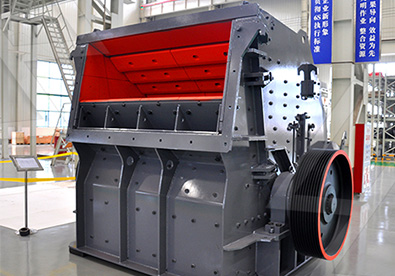
Waste management also plays a crucial role. Runoff water from crushing sites often carries sediment and hydrocarbons, which can contaminate nearby water bodies. Constructing sedimentation ponds and installing oil-water separators are proven methods to treat process water before discharge. The African Mining Vision (AMV) framework, endorsed by the African Union, emphasizes the need for sustainable water use and pollution control in extractive industries, urging member states to enforce stricter environmental monitoring.
Additionally, operators must stay informed about evolving regulations. Countries like Kenya and Nigeria have recently updated their environmental impact assessment (EIA) guidelines to include mandatory baseline studies and community engagement prior to plant commissioning. Compliance is not a one-time effort but a continuous process involving audits, reporting, and community feedback.
In conclusion, meeting environmental and safety standards in Africa’s crushing plants requires a proactive, integrated approach. By investing in dust and noise control, enforcing rigorous safety protocols, managing waste responsibly, and adhering to national and continental regulatory frameworks, companies can operate sustainably and safely. As Statista’s data underscores, industrial pollution remains a pressing challenge—but with the right measures, it is one that can be effectively managed.
Source:
Statista. (2022). Contribution of industrial sources to air pollution in sub-Saharan Africa. Retrieved from https://www.statista.com
Author & industry specialist at ZWCC Mining & Crushing