How to Process 1200TPH Limestone Efficiently in Indonesia
Processing 1200 tons per hour (TPH) of limestone in Indonesia requires careful planning, the right equipment, and efficient operational strategies. The tropical climate, infrastructure conditions, and local regulations must all be considered to ensure smooth and cost-effective production. Below is a detailed guide on how to optimize large-scale limestone processing in Indonesia.
1. Site Selection and Preparation
Choosing the right location is critical for high-capacity limestone processing. Key factors include:
- Proximity to the quarry: Minimizing transportation distances reduces costs and delays.
- Access to utilities and infrastructure: Reliable power, water, and road networks are essential.
- Environmental considerations: Compliance with Indonesian environmental laws ensures sustainable operations.
Proper site preparation involves land clearing, leveling, and drainage planning to prevent flooding, especially during the rainy season.
2. Equipment Selection for 1200TPH Processing
To handle such a large volume, robust and high-efficiency machinery is required:
- Primary Crushing (Jaw Crusher or Gyratory Crusher): Breaks large limestone blocks into manageable sizes.
- Secondary Crushing (Cone Crusher or Impact Crusher): Further reduces material size for screening.
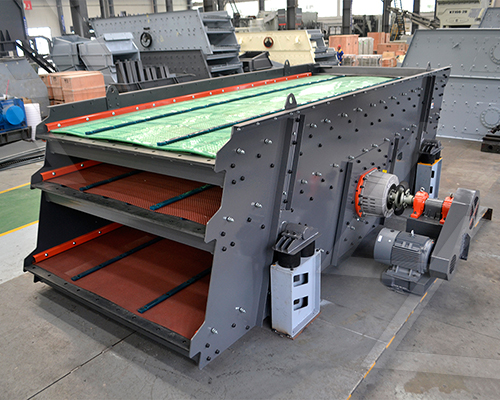
- Vibrating Screens: Separate crushed limestone into different grades.
- Conveyor Systems: Transport materials efficiently between processing stages.
- Dust Suppression Systems: Essential for maintaining air quality and regulatory compliance.
Investing in automated control systems improves efficiency and reduces downtime.
3. Energy Efficiency and Power Supply
Indonesia’s power grid in some regions may be unreliable. Solutions include:
- On-site generators: Backup power to prevent disruptions.
- Energy-efficient motors and drives: Reduce electricity consumption.
- Solar or hybrid power options: Consider renewable energy for remote sites.
Regular maintenance of electrical systems ensures consistent performance.
4. Workforce and Safety Management
Skilled labor is necessary to operate and maintain the processing plant. Strategies include: 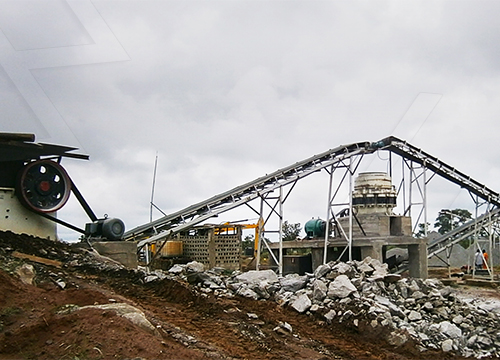
- Local hiring with training programs: Enhances community relations and reduces labor costs.
- Strict safety protocols: Prevents accidents in a high-volume, heavy-machinery environment.
- Regular equipment inspections: Minimizes breakdowns and prolongs machinery life.
5. Environmental Compliance and Sustainability
Indonesian regulations require strict environmental controls:
- Dust and noise control: Use water sprays, enclosures, and sound barriers.
- Water recycling systems: Reduce freshwater consumption in processing.
- Rehabilitation plans: Restore mined areas to minimize ecological impact.
6. Logistics and Distribution
Efficient transportation ensures timely delivery to customers: .jpg)
- Barge or ship loading facilities: For coastal plants, maritime transport is cost-effective.
- Rail or truck networks: Inland plants should secure reliable road or rail access.
- Storage solutions: Silos or covered stockpiles protect limestone from moisture.
Conclusion
Processing 1200TPH of limestone in Indonesia demands a well-planned approach covering site selection, equipment efficiency, power management, workforce training, and environmental compliance. By optimizing these factors, operators can achieve high productivity while maintaining sustainability and regulatory adherence. Investing in modern technology and local partnerships will further enhance long-term success.
Author & industry specialist at ZWCC Mining & Crushing
.jpg)