How to Select the Right Ball Mill for Your Gold Ore Processing Plant
Selecting the appropriate ball mill for gold ore processing is a critical decision that impacts operational efficiency, energy consumption, and overall profitability. With various types of ball mills available—including grate discharge, overflow, and peripheral discharge mills—understanding key selection criteria ensures optimal performance for your plant.
Key Factors in Ball Mill Selection
1. Ore Characteristics
The hardness, grindability, and particle size distribution of gold ore significantly influence mill selection. Harder ores require mills with robust liners and higher energy input. According to a study by the Minerals Engineering Journal, high-pressure grinding rolls (HPGR) combined with ball mills can improve gold recovery rates by 5–10% in refractory ores (Napier-Munn et al., 2005).
2. Mill Capacity and Throughput
Matching mill capacity to plant requirements is essential. Overestimating throughput leads to underutilization, while underestimating causes bottlenecks. Industry reports indicate that medium-sized gold processing plants (100–500 tons per day) typically use ball mills with capacities between 1–5 MW (Statista, 2022).
3. Energy Efficiency
Ball mills account for ~50% of total energy consumption in mineral processing (CEEC International, 2019). Opt for mills with variable-speed drives or high-efficiency motors to reduce costs. Advanced designs like IsaMills® or vertical roller mills may offer better energy efficiency for fine grinding applications.
4. Maintenance and Wear Resistance
Gold ores often contain abrasive minerals that accelerate liner wear. Mills with rubber or composite liners last longer than steel liners in corrosive environments. Regular maintenance schedules should align with wear rates to avoid unplanned downtime.
5. Capital vs. Operating Costs
While cheaper mills reduce initial investment, they may incur higher operating costs due to inefficiency or frequent repairs. A lifecycle cost analysis helps balance upfront expenses with long-term savings. 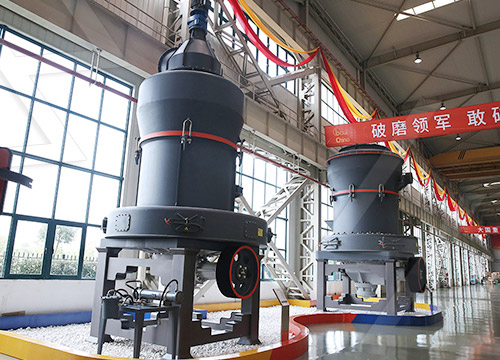
Industry Trends and Data
The global mining equipment market, including ball mills, is projected to grow at a CAGR of 5.7% from 2023 to 2030 (Grand View Research, 2023). Automation and IoT-enabled mills are gaining traction, offering real-time monitoring for predictive maintenance and optimized grinding cycles. 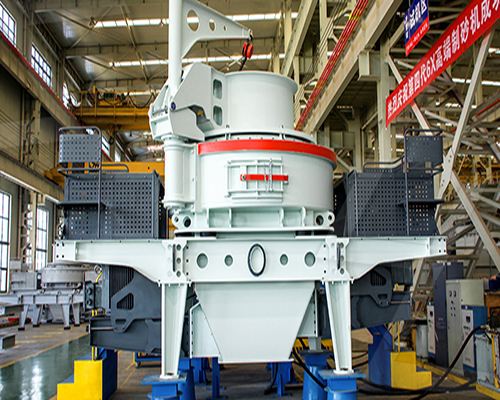
Conclusion
Choosing the right ball mill involves evaluating ore properties, throughput needs, energy efficiency, and total cost of ownership. Leveraging industry data and case studies ensures a decision aligned with both technical and economic goals for gold processing operations.
References:
- Napier-Munn, T.J., et al. (2005). Minerals Engineering Journal, “High-pressure grinding rolls in gold ore processing.”
- Statista (2022). “Global mining equipment market trends.”
- CEEC International (2019). “Energy efficiency in mineral processing.”
- Grand View Research (2023). “Mining equipment market size report.”
Author & industry specialist at ZWCC Mining & Crushing