.jpg)
How to Select the Right Crusher for Copper Ore Processing in Africa
Selecting the right crusher for copper ore processing in Africa is critical to maximizing efficiency, reducing operational costs, and ensuring optimal recovery rates. The choice depends on factors such as ore characteristics, production capacity, and environmental conditions. This guide outlines key considerations to help operators make informed decisions.
1. Understand the Ore Properties
Copper ore varies in hardness, abrasiveness, and moisture content. For example, sulfide ores are typically harder than oxide ores, requiring robust crushers like jaw or gyratory crushers for primary crushing. A 2022 report by Statista highlights that African copper production reached 2.3 million metric tons annually, with Zambia and the Democratic Republic of Congo (DRC) being major contributors (Statista, 2022). Knowing regional ore types ensures equipment compatibility. .jpg)
2. Evaluate Crushing Stages
Most copper processing plants use a three-stage crushing system:
- Primary Crushing: Jaw or gyratory crushers handle large feed sizes (up to 1.5 meters).
- Secondary Crushing: Cone crushers are ideal for medium-hard ores.
- Tertiary Crushing: High-pressure grinding rolls (HPGR) or vertical shaft impactors (VSI) produce finer particles for leaching or flotation.
3. Consider Energy Efficiency
Africa’s power supply can be unreliable; thus, energy-efficient crushers like HPGRs reduce electricity consumption by up to 30% compared to conventional mills (Weir Minerals, 2021). Solar or hybrid power solutions may also be viable in remote locations.
4. Account for Maintenance and Downtime
Crushers in abrasive environments require wear-resistant materials (e.g., manganese steel liners). Modular designs simplify maintenance, crucial in regions with limited skilled labor.
5. Environmental and Regulatory Compliance
Dust suppression systems and noise reduction technologies are essential to meet local regulations, particularly near communities. 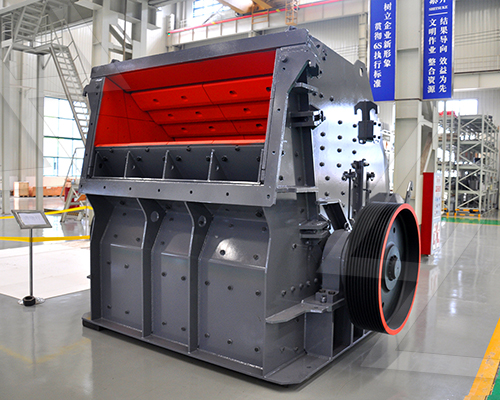
Conclusion
Choosing the right crusher involves balancing ore properties, operational needs, and sustainability goals. With Africa’s copper output rising—projected to grow at 4% annually (ICMM, 2023)—investing in suitable crushing technology is key to long-term profitability.
References:
- Statista. (2022). Copper production in Africa from 2010 to 2022. Retrieved from www.statista.com
- Weir Minerals. (2021). Energy Efficiency in Mining. Retrieved from www.global.weir
- ICMM. (2023). Trends in African Copper Mining. International Council on Mining and Metals.
Author & industry specialist at ZWCC Mining & Crushing
.jpg)