How to Set Up a Complete Gold Processing Plant with Crushers and Mills
Establishing a gold processing plant requires careful planning, selection of appropriate equipment, and adherence to industry best practices. The process typically involves several stages, from ore crushing and grinding to concentration and refining. This guide outlines the key steps to set up a complete gold processing plant, including the integration of crushers and mills.
1. Site Selection and Feasibility Study
Before setting up a gold processing plant, conduct a thorough feasibility study to assess ore reserves, infrastructure availability, and environmental regulations. According to a report by S&P Global Market Intelligence (2023), the average capital expenditure for a mid-sized gold processing plant ranges between $50 million and $150 million, depending on capacity and location. Ensure the site has access to water, electricity, and transportation networks. 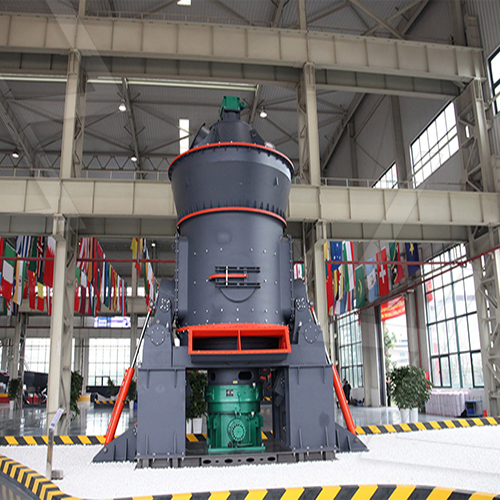
2. Ore Crushing
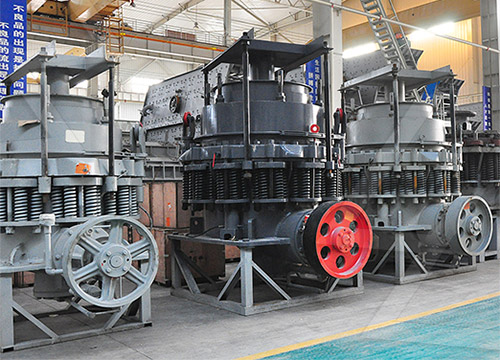
The first stage in gold processing is ore crushing, which reduces large chunks of raw material into smaller, manageable pieces. Jaw crushers are commonly used for primary crushing, while cone crushers or impact crushers handle secondary and tertiary crushing. The choice of crusher depends on the hardness and size of the ore. .jpg)
Recommended Equipment:
- Primary Crusher: Jaw crusher (e.g., Metso C150)
- Secondary Crusher: Cone crusher (e.g., Sandvik CH660)
- Tertiary Crusher: Vertical shaft impact crusher (if required)
3. Grinding with Mills
After crushing, the ore undergoes grinding to achieve the desired particle size for gold recovery. Ball mills and rod mills are widely used in gold processing plants. Ball mills are preferred for finer grinding, while rod mills are suitable for coarser applications. A study by the Minerals Engineering Journal (2022) found that optimized grinding circuits can improve gold recovery rates by up to 5%.
Recommended Equipment:
- Ball Mill: 5×10 ft (1.5×3 m) with 300 kW motor
- Rod Mill (optional): For lower-cost coarse grinding
4. Gold Concentration
Once the ore is finely ground, gold is separated using methods such as:
- Gravity Separation: For coarse gold particles (e.g., centrifugal concentrators).
- Flotation: For sulfide ores (requires reagents like xanthates).
- Cyanidation: The most common method, using sodium cyanide to dissolve gold (follow strict safety protocols).
Modern plants often combine multiple techniques to maximize recovery.
5. Refining and Smelting
The final step involves refining the gold concentrate into pure metal. Smelting in a furnace removes impurities, and electrolytic refining ensures high-purity gold (99.99%).
6. Environmental and Safety Considerations
Gold processing plants must comply with environmental regulations. Implement tailings management systems to prevent contamination, and use closed-loop water recycling to minimize waste.
Conclusion
Setting up a gold processing plant involves multiple stages, from crushing and grinding to refining. Proper equipment selection, process optimization, and regulatory compliance are critical for success. With the right approach, a well-designed plant can achieve high gold recovery rates while maintaining operational efficiency.
References:
- S&P Global Market Intelligence. (2023). Gold Mining CAPEX Trends.
- Minerals Engineering Journal. (2022). Optimization of Grinding Circuits in Gold Processing.
Author & industry specialist at ZWCC Mining & Crushing
.jpg)
.jpg)