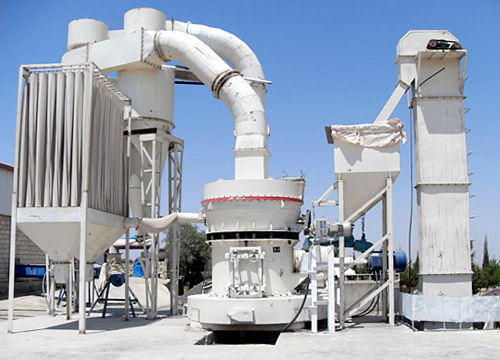
Large-Scale Sand Making Plants: A Game Changer for Africa’s Building Industry
The African construction sector is experiencing unprecedented growth, driven by urbanization, population expansion, and infrastructure development. With an estimated annual construction growth rate of 6.5% (Statista, 2023), the demand for high-quality construction materials, particularly sand, has surged. However, traditional sand extraction methods, such as riverbed mining, are unsustainable and environmentally damaging. Large-scale sand making plants offer a viable solution, combining efficiency, sustainability, and cost-effectiveness to meet the continent’s booming construction needs.
The Rising Demand for Manufactured Sand
Natural sand has long been the primary material for concrete and mortar production. Yet, its over-extraction has led to severe ecological consequences, including riverbank erosion and groundwater depletion. According to a report by the United Nations Environment Programme (UNEP), sand mining is responsible for 75% of global sediment flux reduction in rivers, exacerbating environmental degradation (UNEP, 2019). 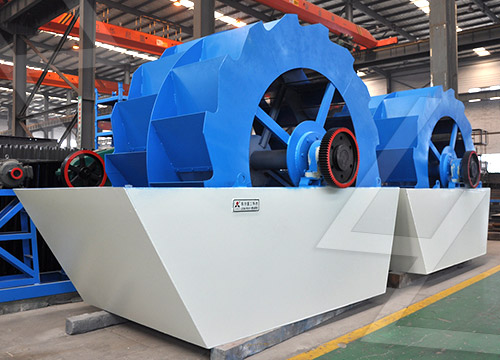
In response, manufactured sand (M-Sand)—produced by crushing rocks and quarry stones—has gained traction. M-Sand offers superior consistency, reduced impurities, and better bonding properties compared to natural sand. Large-scale sand making plants utilize advanced crushing and screening technologies to produce graded sand tailored for specific construction applications, from high-rise buildings to roadworks.
Economic and Environmental Advantages
Investing in large-scale sand production facilities presents multiple benefits for Africa’s building industry:
- Sustainability – By reducing reliance on river sand, these plants mitigate environmental damage and comply with stricter regulations on natural resource extraction.
- Cost Efficiency – Localized sand production lowers transportation costs, which account for up to 30% of total material expenses in remote projects (Africa Construction Trends, 2022).
- Job Creation – The establishment of sand plants stimulates employment in mining, processing, and logistics sectors, fostering economic growth.
Case Study: Success in Key Markets
Countries like Nigeria, Kenya, and South Africa are leading the adoption of manufactured sand technologies. For instance, Nigeria’s Lagos State has implemented policies promoting M-Sand to curb illegal sand mining. A 2022 industry analysis by Deloitte highlighted that sand making plants in these regions have increased material supply by 40% while reducing project delays caused by sand shortages. 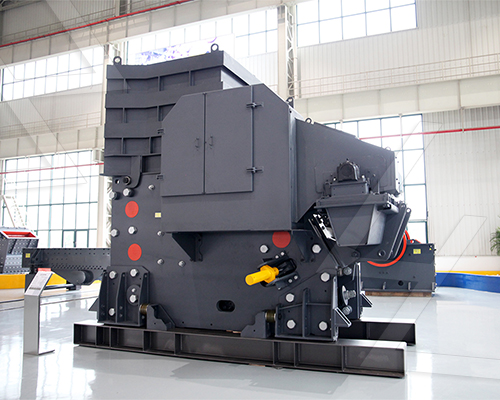
The Path Forward
To fully realize the potential of large-scale sand production, African governments and private investors must collaborate on infrastructure funding, technology transfer, and regulatory frameworks. Partnerships with international equipment manufacturers can further enhance production capacity and quality control.
With the right policies and investments, manufactured sand could become the cornerstone of Africa’s sustainable construction boom, ensuring both economic progress and environmental preservation.
References:
- Statista. (2023). Construction industry growth rate in Africa.
- United Nations Environment Programme (UNEP). (2019). Sand and Sustainability: Finding New Solutions for Environmental Governance.
- Deloitte. (2022). Africa Construction Trends Report.
Author & industry specialist at ZWCC Mining & Crushing
.jpg)