In recent years, the demand for efficient and mobile stone crushing solutions has surged across Africa, driven by rapid urbanization, infrastructure development, and increased investment in mining and construction. Among the most widely processed rocks are granite and basalt—two of the continent’s most abundant igneous rock types—valued for their durability and suitability in road construction, building aggregates, and railway ballast. To meet this growing need, mobile cone crusher plants have emerged as a game-changing technology, offering flexibility, reduced operational costs, and faster deployment compared to traditional fixed crushing systems.
Granite and basalt, while both hard and abrasive, present different challenges in crushing operations. Granite, with its high silica content, requires robust equipment capable of handling wear and tear, while basalt’s dense structure demands high-efficiency crushing mechanisms to achieve optimal particle shape and size distribution. Mobile cone crusher plants, equipped with advanced hydraulic systems and automated controls, are particularly well-suited for processing these materials in remote or inaccessible areas—an increasingly common scenario in African mining and construction projects.
One of the primary advantages of mobile cone crusher plants is their ability to relocate with minimal downtime. This mobility is critical in Africa, where projects often span vast distances and access to consistent power and transport infrastructure can be limited. According to a 2022 report by Global Market Insights, the global mobile crushing equipment market was valued at over $4.3 billion and is expected to grow at a compound annual growth rate (CAGR) of more than 6% through 2030, with Africa identified as one of the fastest-growing regional markets due to increased public and private sector investment in infrastructure (Global Market Insights, 2022).
In East Africa, for example, countries like Ethiopia and Kenya have launched large-scale road and rail projects that require millions of tons of high-quality aggregates. Mobile cone crusher plants have been deployed near quarry sites to reduce transportation costs and ensure a steady supply of crushed stone. In Southern Africa, similar units are being used in basalt quarries in Zambia and Zimbabwe, where operators report up to 30% improvement in output efficiency compared to stationary systems, thanks to real-time adjustment capabilities and reduced material handling (Mining Technology Africa, 2021).
Moreover, these mobile units are increasingly incorporating eco-friendly features such as diesel-electric hybrid power options and dust suppression systems, helping operators comply with environmental regulations while minimizing their carbon footprint. This is particularly important as African governments strengthen environmental oversight in mining activities.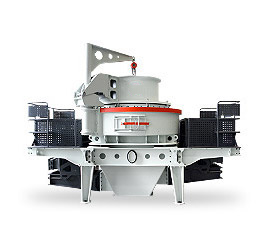
The adoption of mobile cone crusher technology also addresses labor and safety challenges. With integrated monitoring systems and remote diagnostics, fewer personnel are required on-site, reducing exposure to hazardous conditions. Additionally, modular designs allow for quick assembly and disassembly, minimizing on-site construction time and risk..jpg)
Looking ahead, the integration of digital technologies such as GPS tracking, predictive maintenance algorithms, and real-time performance analytics is expected to further enhance the efficiency of mobile crushing operations in Africa. As the continent continues to build critical infrastructure, mobile cone crusher plants will play a pivotal role in ensuring timely, cost-effective, and sustainable production of construction materials from locally available granite and basalt resources.
In conclusion, mobile cone crusher plants represent a strategic solution for Africa’s growing demand for high-quality aggregates. Backed by technological advancements and supported by rising infrastructure investment, these systems are transforming the way hard rock materials are processed across the continent—delivering efficiency, mobility, and sustainability where they are needed most.
References:
Global Market Insights. (2022). Mobile Crushers Market Size, Share & Trends Analysis Report. Retrieved from https://www.gminsights.com
Mining Technology Africa. (2021). Mobile Crushing Systems in African Mining Operations: A Regional Outlook. Johannesburg: MineTech Press.
Author & industry specialist at ZWCC Mining & Crushing
.jpg)