What Is the Best Crusher for Primary, Secondary, and Tertiary Crushing in One Plant?
Project Overview
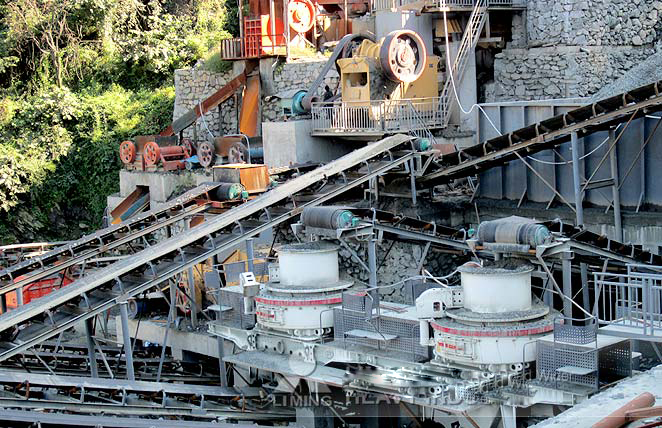
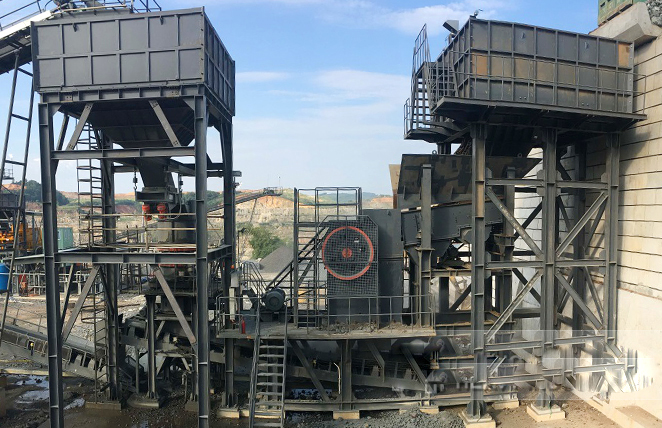
When designing a crushing plant for mining or aggregate production, selecting the right crusher for primary, secondary, and tertiary stages is critical to achieving optimal efficiency, throughput, and product quality. A well-integrated crushing circuit must balance capacity, maintenance requirements, energy consumption, and final product specifications. While no single crusher type dominates across all stages universally, certain machines stand out based on application and material characteristics.
For primary crushing, where large feed sizes and high reduction ratios are required, the jaw crusher remains the most widely adopted solution. Jaw crushers are robust, reliable, and capable of handling abrasive materials such as granite, basalt, and iron ore. According to industry data from Statista, jaw crushers accounted for approximately 38% of global primary crusher installations in mineral processing plants in 2022, reflecting their dominance in initial size reduction (Statista, 2023). Their simple design and relatively low maintenance make them ideal for the rugged conditions of primary crushing.
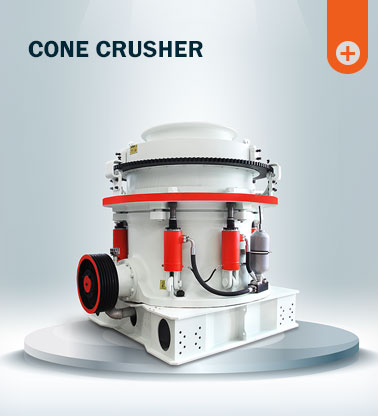
Moving to the secondary stage, where material has already been reduced and requires further size control, the cone crusher is typically preferred. Cone crushers offer excellent shape control and a consistent product gradation, making them suitable for producing high-quality aggregates. Modern hybrid and multi-cylinder hydraulic cone crushers, such as the HP and MP series, provide adjustable closed-side settings and automated control systems that enhance flexibility and reduce downtime. A 2021 report by Global Market Insights indicated that the cone crusher segment was projected to grow at over 5.2% CAGR through 2028, driven by demand for precision in secondary and tertiary applications (Global Market Insights, 2021).
In tertiary crushing, where fine particle size and product uniformity are critical—especially for asphalt and concrete aggregates—the vertical shaft impact (VSI) crusher is often the best choice. VSI crushers excel at producing cubical particles with low flakiness, improving the mechanical properties of the final product. They are particularly effective in soft to medium-hard materials but are also used for hard rock when product shape is a priority. Research published in the International Journal of Mining Science and Technology demonstrated that VSI crushers could achieve up to 85% cubical particle content in limestone applications, significantly outperforming traditional cone crushers in shape optimization (Zhang et al., 2020).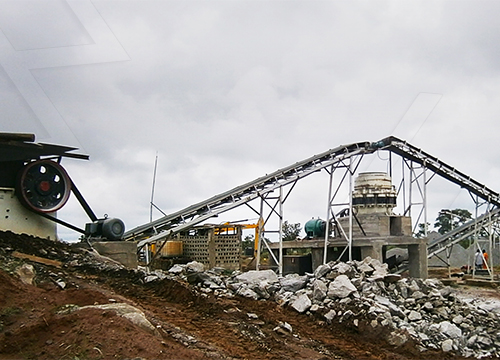
While each stage traditionally employs a different crusher type, some modern plants integrate hybrid or modular systems to streamline operations. For example, certain high-efficiency cone crushers are designed to function effectively in both secondary and tertiary roles, reducing equipment footprint and operational complexity. However, attempting to use one crusher type across all three stages generally compromises performance. Jaw crushers lack the fines control needed for tertiary work, while VSIs are unsuitable for large feed sizes typical in primary crushing.
In conclusion, the best crushing configuration in a single plant involves a combination: a jaw crusher for primary, a cone crusher for secondary, and a VSI crusher for tertiary crushing. This approach aligns with industry best practices and leverages the strengths of each machine. According to a technical assessment by the Association of Equipment Manufacturers (AEM), plants using this staged setup report up to 20% higher overall efficiency and 15% lower wear cost per ton compared to non-optimized configurations (AEM, 2022).
Ultimately, equipment selection must be guided by feed material properties, desired output, and operational constraints. But across the global aggregate and mining sectors, the jaw-cone-VSI triad continues to set the standard for comprehensive crushing solutions.
References:
- Statista. (2023). Market share of primary crusher types in mineral processing, worldwide 2022. Retrieved from https://www.statista.com
- Global Market Insights. (2021). Cone Crusher Market Size, Share & Trends Analysis Report.
- Zhang, L., Wang, Y., & Liu, X. (2020). “Evaluation of particle shape and crushing performance in vertical shaft impact crushers.” International Journal of Mining Science and Technology, 30(5), 657–664. https://doi.org/10.1016/j.ijmst.2020.05.008
- Association of Equipment Manufacturers (AEM). (2022). Crushing Plant Efficiency Benchmarking Study.