Establishing a 320 TPH copper ore processing plant in Mexico is a complex but potentially rewarding venture, given the country’s rich mineral resources and growing investment in mining infrastructure. Mexico ranks among the top global producers of copper, supplying approximately 8% of the world’s total output in 2023, according to Statista (Statista, 2023). With steady demand from global markets, particularly in renewable energy and electric vehicle industries, constructing a modern copper processing facility presents a strategic opportunity.
The first step in building a 320 tons per hour (TPH) copper processing plant involves conducting a comprehensive feasibility study. This includes geological assessment of the ore body, metallurgical testing to determine copper grade and mineralogy, and economic modeling of capital and operating expenditures. For a plant of this scale, initial capital investment typically ranges between $120 million and $180 million, depending on location, infrastructure availability, and technology selection (S&P Global Market Intelligence, 2022).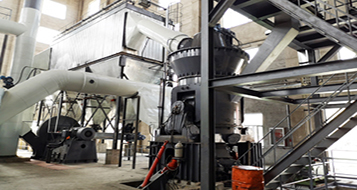
Site selection is critical. Preferred locations in Mexico include Sonora and Chihuahua, which host major copper deposits and have established mining operations. These regions offer access to transportation networks, skilled labor, and existing power and water infrastructure. However, developers must also consider social and environmental licensing requirements. The Mexican government, through the Ministry of Environment and Natural Resources (SEMARNAT), mandates strict environmental impact assessments (EIAs) before construction can begin.
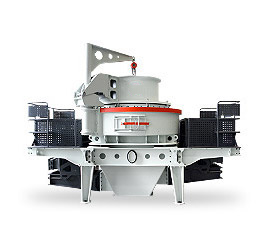
The processing plant design should follow a conventional flowsheet: crushing, grinding, flotation, thickening, filtration, and drying. For a 320 TPH operation, primary crushing is typically handled by a jaw or gyratory crusher, reducing run-of-mine ore to less than 150 mm. Secondary and tertiary crushing further reduce particle size before feeding into a SAG (Semi-Autogenous Grinding) or ball mill circuit. The grinding circuit must be optimized to achieve a P80 (80% passing size) of approximately 75 microns to liberate copper minerals effectively.
Flotation is the core recovery process. Using reagents such as collectors, frothers, and modifiers, copper sulfide minerals are separated from gangue. Modern plants employ advanced flotation cells and automation systems to maintain consistent recovery rates, which for well-liberated chalcopyrite or bornite ores can exceed 88%. According to a study published in Minerals Engineering (Lopez-Valdivieso et al., 2021), implementing real-time process control can improve copper recovery by 3–5% and reduce reagent consumption by up to 15%.
Tailings management is another crucial component. A 320 TPH plant generates approximately 250–270 TPH of tailings, depending on head grade and recovery. These must be safely stored in engineered tailings storage facilities (TSFs) compliant with Global Industry Standard on Tailings Management (GISTM). Dry stacking or filtered tailings are increasingly adopted in Mexico to reduce environmental risk and water usage..jpg)
Power supply is a key operational cost. A plant of this capacity typically requires 25–30 MW of continuous power. In remote areas, integrating hybrid power solutions—such as solar or wind with diesel or grid connections—can reduce energy costs and carbon emissions. Water conservation is equally important; closed-loop water circuits with high-efficiency thickeners can reduce fresh water consumption by over 80%.
Workforce development and community engagement are essential for long-term success. Hiring local personnel and investing in training programs not only fulfills social responsibility but also enhances operational stability. Transparency with nearby communities regarding environmental safeguards and employment opportunities helps secure social license to operate.
In conclusion, building a 320 TPH copper ore processing plant in Mexico is a technically and financially demanding project, but one aligned with national mining growth trends. With strong copper fundamentals, supportive geology, and increasing adoption of sustainable technologies, such a facility can achieve both economic viability and environmental stewardship.
References:
- Statista. (2023). Countries with the largest copper mine production worldwide in 2023. Retrieved from https://www.statista.com/statistics/271555/countries-with-the-largest-copper-mine-production/
- S&P Global Market Intelligence. (2022). Capital and operating costs of base metal processing plants. Mining Intelligence Report.
- Lopez-Valdivieso, A., et al. (2021). “Enhancement of copper flotation performance through real-time process optimization.” Minerals Engineering, 170, 107045. https://doi.org/10.1016/j.mineng.2021.107045
Author & industry specialist at ZWCC Mining & Crushing

.jpg)