Project Overview
Stone Crushing Equipment for Africa’s Railway and Highway Projects
The rapid expansion of railway and highway infrastructure across Africa has driven significant demand for stone crushing equipment. As governments and private investors prioritize connectivity and economic growth, the need for high-quality aggregates—essential for roadbeds, ballast, and concrete—has surged. Stone crushers, screening plants, and related machinery are now critical to meeting these infrastructure demands efficiently and cost-effectively.
Market Drivers and Demand
Africa’s infrastructure gap remains substantial, with the continent requiring an estimated $130–$170 billion annually to address its infrastructure deficits, according to the African Development Bank (AfDB). Railway and highway projects, such as the Trans-African Highway Network and the Lagos-Kano Standard Gauge Railway, rely heavily on locally sourced crushed stone to reduce costs and logistical challenges.
The global stone crushing equipment market, valued at approximately $5.5 billion in 2021, is projected to grow at a compound annual growth rate (CAGR) of 7.2% through 2030, driven largely by infrastructure development in emerging economies (Statista, 2023). Africa’s share of this market is expanding as countries like Nigeria, Ethiopia, and Kenya accelerate construction of transport corridors.
Key Equipment and Applications
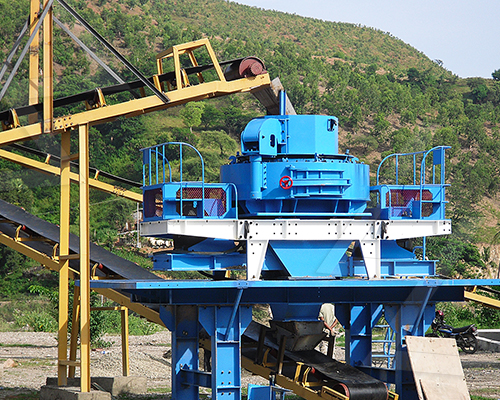
Jaw crushers, cone crushers, and impact crushers are the most widely used machines in Africa’s infrastructure projects. For railway ballast production, jaw crushers deliver uniformly sized particles that meet stringent engineering standards. Meanwhile, highway projects often require multi-stage crushing systems to produce aggregates of varying gradations for base layers, asphalt, and drainage systems.
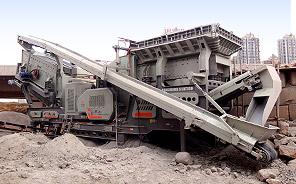
Mobile crushing plants have gained popularity due to their flexibility in remote locations. Companies like Metso Outotec and Sandvik have reported increased sales of modular units in Africa, as they eliminate the need for fixed installations and reduce transportation costs for raw materials.
Challenges and Opportunities
Despite growing demand, the industry faces challenges such as unreliable electricity supply, limited financing for local contractors, and environmental concerns. However, innovations in diesel-electric hybrid crushers and solar-powered units are emerging as viable solutions.
With Africa’s urban population expected to double by 2050 (UN-Habitat, 2022), the pressure to modernize transport networks will only intensify. Stone crushing equipment manufacturers and rental services stand to benefit from this sustained growth, provided they adapt to regional operational constraints and sustainability requirements.
Conclusion
Stone crushing equipment is a cornerstone of Africa’s infrastructure revolution. As railway and highway projects multiply, the industry must align with local needs while leveraging global technological advancements. Strategic partnerships between governments, contractors, and equipment suppliers will be crucial to delivering projects on time and within budget. 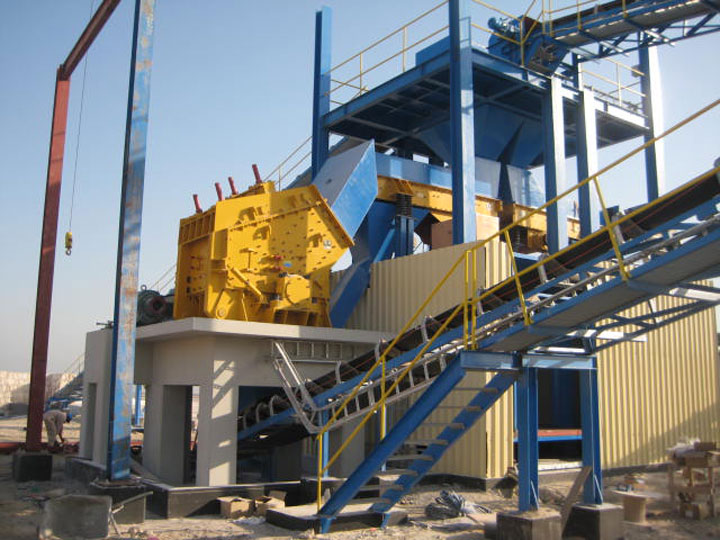
(Sources: Statista, 2023; African Development Bank; UN-Habitat, 2022)
.jpg)
.jpg)