How to Choose the Right Crushing Plant Layout for Your Quarry Site
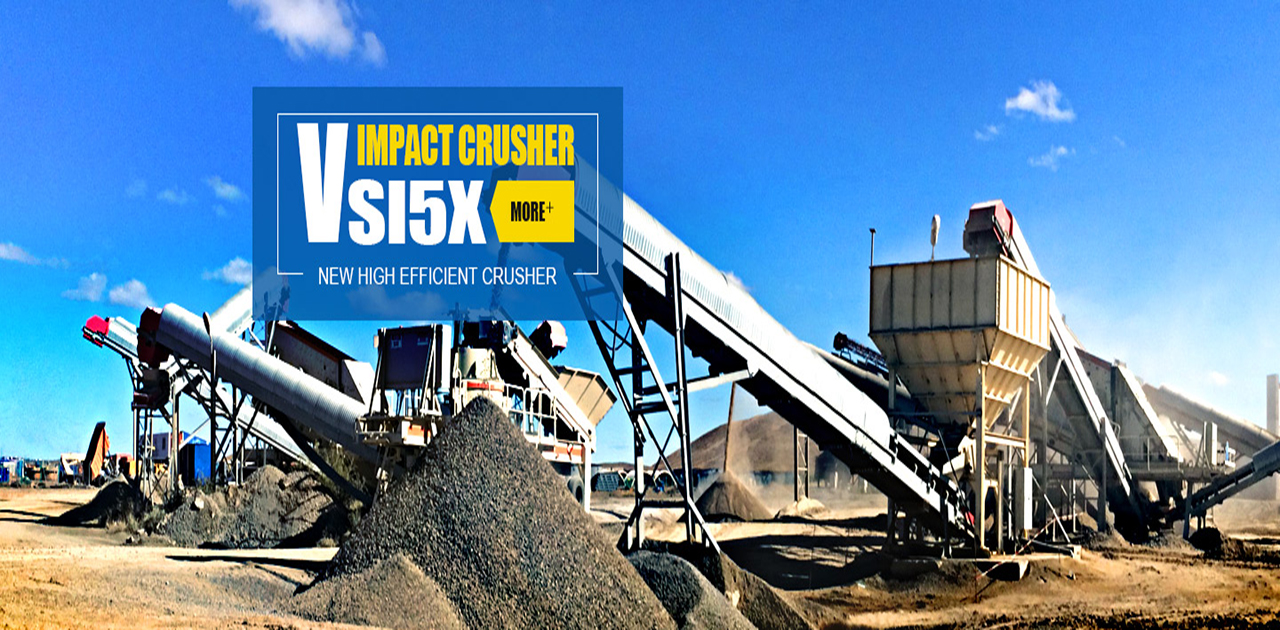
Selecting the optimal crushing plant layout is crucial for maximizing efficiency, productivity, and profitability in quarry operations. The right configuration reduces downtime, lowers operational costs, and ensures compliance with environmental regulations. Below are key factors to consider when designing a crushing plant layout for your quarry.
1. Assess Material Characteristics
The type and hardness of the raw material significantly impact the choice of crushers and layout. For instance, granite and basalt require high-compression crushers like jaw or cone crushers, while softer limestone may be processed efficiently with impact crushers. According to a 2022 report by Statista, global crushed stone production reached 27.5 billion metric tons, with limestone accounting for over 70% of the market (Statista, 2022). Knowing your material’s abrasiveness, moisture content, and size distribution helps tailor the crushing process.
2. Evaluate Production Requirements
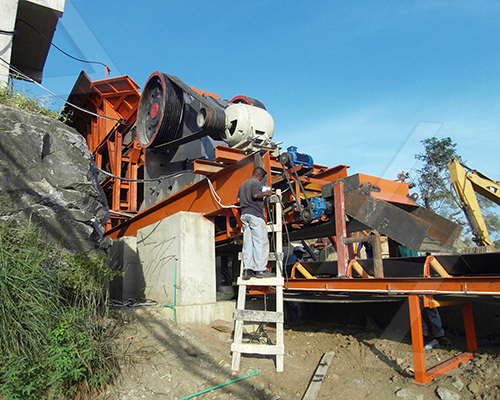
Determine the required hourly or daily output to select equipment with appropriate capacity. A high-capacity quarry might need a three-stage crushing setup (primary, secondary, and tertiary), while smaller operations may function with a single-stage configuration. Overestimating capacity leads to unnecessary capital expenditure, while underestimating causes bottlenecks. 
3. Consider Site Topography and Space Constraints
The physical layout of the quarry influences the plant design. A steeply inclined site may benefit from a gravity-fed system, reducing conveyor lengths and energy consumption. Conversely, flat terrains allow for modular, spread-out designs. Ensure adequate space for stockpiles, maintenance access, and future expansion.
4. Optimize Mobility and Flexibility
For quarries with varying deposit locations, mobile or semi-mobile crushing plants offer flexibility. Track-mounted crushers can be relocated as extraction zones shift, minimizing haulage distances. Fixed plants, while more stable, are ideal for long-term, large-scale operations.
5. Prioritize Safety and Environmental Compliance
Dust suppression systems, noise barriers, and proper ventilation must be integrated into the layout to meet regulatory standards. The National Institute for Occupational Safety and Health (NIOSH) reports that respirable silica exposure remains a critical hazard in quarries, emphasizing the need for enclosed crushing units and water sprays (NIOSH, 2021).
6. Factor in Maintenance and Downtime Reduction
Easy access to crushers, screens, and conveyors simplifies routine maintenance. Modular designs with quick-wear part replacement capabilities enhance uptime. Predictive maintenance technologies, such as vibration sensors, further reduce unexpected failures. 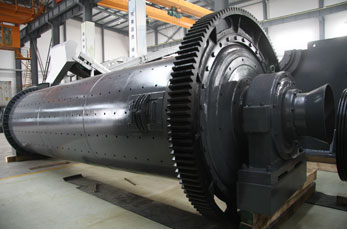
7. Energy Efficiency and Cost Analysis
Electric-powered crushers reduce fuel costs and emissions compared to diesel alternatives. A life-cycle cost analysis helps compare long-term savings against initial investments.
Conclusion
Choosing the right crushing plant layout involves balancing material properties, production needs, site conditions, and regulatory requirements. By analyzing these factors and leveraging industry data, quarry operators can design a system that maximizes output while minimizing operational risks.
References
- Statista. (2022). Global crushed stone production volume. Retrieved from www.statista.com
- National Institute for Occupational Safety and Health (NIOSH). (2021). Reducing Silica Exposure in Quarries. Retrieved from www.cdc.gov/niosh
Author & industry specialist at ZWCC Mining & Crushing