Setting Up a 400TPH Magnesite Processing Plant in Austria: Key Considerations
Establishing a 400-ton-per-hour (TPH) magnesite processing plant in Austria requires careful planning, adherence to regulatory standards, and strategic resource management. Magnesite, a critical raw material for refractory and industrial applications, demands efficient extraction and processing to meet global demand. This article outlines the essential steps and considerations for such a project.
1. Site Selection and Resource Assessment
The first step involves identifying a viable magnesite deposit with sufficient reserves to support long-term operations. Austria hosts significant magnesite deposits, particularly in the Styrian and Carinthian regions. According to the World Mining Data 2021 report by the Austrian Federal Ministry of Agriculture, Regions, and Tourism, Austria produced approximately 1.2 million metric tons of magnesite in 2020, accounting for nearly 6% of global output (Federal Ministry of Agriculture, Regions, and Tourism, 2021).
A thorough geological survey, including core drilling and mineralogical analysis, is crucial to confirm ore quality and quantity. The selected site should also offer logistical advantages, such as proximity to transportation networks and power infrastructure.
2. Regulatory Compliance and Permitting
Austria enforces stringent environmental and mining regulations under the Mineral Raw Materials Act (MinRoG). Before commencing operations, developers must secure permits for land use, water management, and emissions control. An Environmental Impact Assessment (EIA) is mandatory, ensuring minimal ecological disruption. Engaging local authorities early in the process can streamline approvals. 
3. Plant Design and Equipment Selection
A 400TPH processing plant requires robust machinery for crushing, grinding, and beneficiating magnesite ore. Key components include:
- Primary Jaw Crusher: For coarse crushing of raw ore.
- Secondary Cone Crusher: To achieve intermediate particle size reduction.
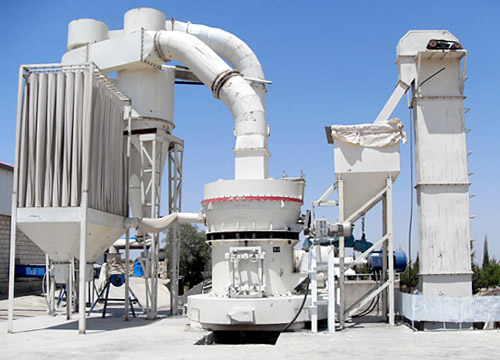
- Ball Mills/Vertical Roller Mills: For fine grinding.
- Magnetic Separators and Flotation Cells: To remove impurities like silica and iron oxides.
Energy efficiency is critical; integrating high-pressure grinding rolls (HPGR) can reduce power consumption by up to 30% compared to conventional mills (Schönert, 1988). 
4. Infrastructure and Utilities
The plant must be equipped with:
- Reliable power supply (preferably renewable energy sources to align with Austria’s sustainability goals).
- Water recycling systems to minimize consumption.
- Access roads and rail connections for raw material and product transport.
5. Workforce and Safety Measures
Skilled personnel, including geologists, engineers, and technicians, are essential for smooth operations. Austria’s well-developed vocational training programs, such as those offered by Montanuniversität Leoben, can provide specialized talent. Strict adherence to occupational safety standards (e.g., ISO 45001) is non-negotiable.
6. Market and Economic Viability
Global magnesite demand is driven by the steel, cement, and chemical industries. According to Statista, the global refractory market is projected to reach $29.5 billion by 2027, with magnesite-based products holding a significant share (Statista, 2023). Export opportunities to neighboring EU industrial hubs further enhance profitability.
Conclusion
Setting up a 400TPH magnesite plant in Austria demands a balance of technical expertise, regulatory compliance, and sustainable practices. By leveraging Austria’s rich mineral resources and robust infrastructure, investors can establish a competitive operation in the global magnesite market.
References
- Austrian Federal Ministry of Agriculture, Regions, and Tourism. (2021). World Mining Data 2021.
- Schönert, K. (1988). “A first survey of grinding with high-compression roller mills.” International Journal of Mineral Processing.
- Statista. (2023). Refractories Market Size Worldwide 2021-2027.
Author & industry specialist at ZWCC Mining & Crushing