How to Configure a 630TPH Diamond Beneficiation Plant in Botswana
Botswana, home to some of the world’s richest diamond deposits, offers significant opportunities for diamond beneficiation. Setting up a 630-ton-per-hour (TPH) diamond processing plant requires careful planning, from ore extraction to final sorting. Here’s a structured approach to configuring such a facility.
1. Ore Feed and Primary Crushing
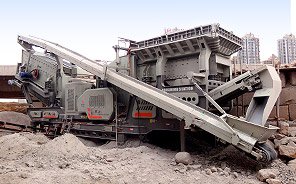
The plant must handle kimberlite or alluvial ore, depending on the deposit type. A primary jaw crusher reduces large chunks to ~150mm, followed by secondary cone crushing to achieve 25–50mm fragments. Botswana’s Jwaneng Mine, for example, processes similar material grades with an average diamond recovery rate of 1.5 carats per ton (Debswana, 2022).
2. Scrubbing and Screening
Rotary scrubbers remove clay and soft contaminants, while vibrating screens classify ore into size fractions. Data from Statista (2023) indicates that over 60% of diamond plants globally employ wet scrubbing to minimize diamond damage during this phase.
3. Dense Media Separation (DMS)
DMS cyclones separate diamonds from waste using a ferrosilicon slurry. A 630TPH plant typically requires multiple 10m³ cyclones to maintain efficiency. Industry reports highlight that DMS achieves 95–98% diamond recovery in Botswana’s operations (African Mining Review, 2021).
4. X-Ray Sorting and Final Recovery
Modern plants use X-ray fluorescence (XRF) or laser sorters to identify diamonds based on atomic density. Botswana’s Karowe Mine reported a 20% increase in recovery rates after adopting automated sorting (Journal of Southern African Mining, 2020).
5. Tailings Management and Compliance
Botswana mandates strict environmental controls. Slurry tailings must be stored in lined ponds, with water recycled to reduce consumption. The Mines and Minerals Act requires monthly impact assessments.
Conclusion
A 630TPH diamond plant in Botswana demands robust engineering, adherence to local regulations, and advanced recovery technologies. With diamond output contributing 25% of Botswana’s GDP (World Bank, 2022), optimizing beneficiation processes ensures both economic and operational success. .jpg)
Sources: .jpg)
- Statista. (2023). Global Diamond Processing Techniques Survey.
- African Mining Review. (2021). DMS Efficiency in Southern Africa.
- World Bank. (2022). Botswana Economic Update.
(Note: Adjust equipment specifications based on specific ore characteristics and feasibility studies.)
Author & industry specialist at ZWCC Mining & Crushing