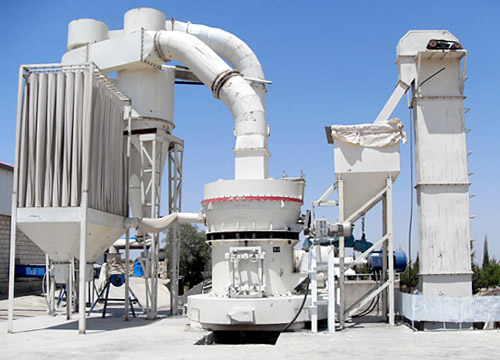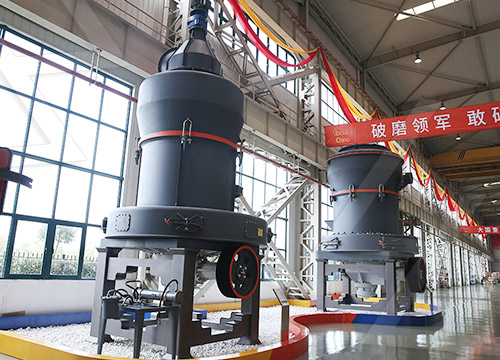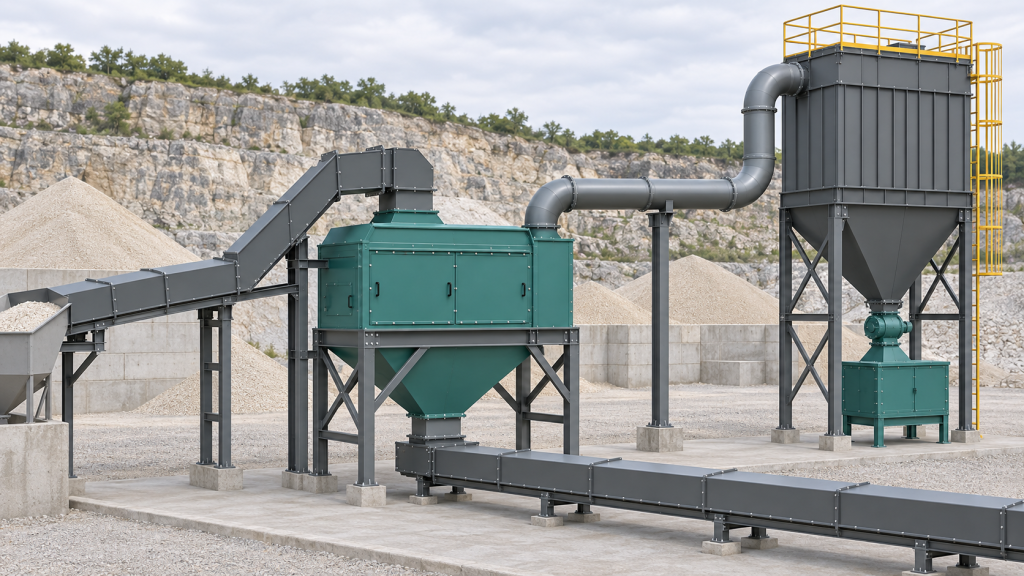
A limestone quarry considering dry air classification for manufactured sand has two questions to answer before it buys equipment. Can the classifier keep the finished sand within the buyer’s full grading envelope, and how much usable sand will it send to the dust collector in the process? An airflow setting that meets the fines limit on one dry sample can remove too much of the adjacent sand sizes or fail when the feed becomes damp. Run a trial on representative crusher screenings, including the wetter material the plant expects to process. Sample the feed, sand and collected fines over the same stable interval and compare the streams on a dry mass basis. Use the results to specify an acceptable feed range, minimum saleable output and the dust handling equipment needed to sustain that output.
Define the saleable sand before setting the airflow
Start with the customer’s grading envelope across all specified sieves and the agreed test method for the fines limit. Define the minimum output of conforming sand in dry tonnes per hour and identify any intermediate sieve bands that already run close to their lower limits. Increasing fines removal can pull those bands out of specification even when the reported dust fraction improves. The manufactured sand equipment guide describes where dry classification fits among crushing, screening and wet processing options.
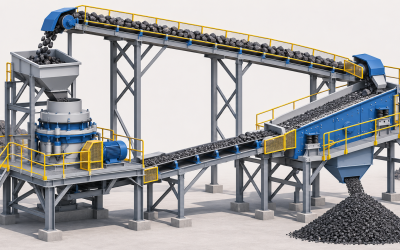
Check the feed top size at the classifier inlet. A vibrating screen upstream can separate oversize if the feed exceeds the classifier’s agreed top size. Record the screen cut and take the trial sample after that screen so the supplier tests the material the classifier will actually receive.
Run the trial on dry and damp screenings
Collect representative samples from the intended limestone sources and operating conditions. Measure moisture as received, keep test lots sealed before the run and record their feed grading. Compare selected airflow settings at a steady feed rate, then repeat promising settings at the intended operating rate and at the upper end of the agreed moisture range. Keep lots separate so changes in feed grading can be distinguished from changes in moisture.
Ask the supplier to record airflow or the corresponding control settings, dry feed rate and dust collector differential pressure for each run. Inspect damp lots for visible clumps or coatings. Fines attached to coarser particles can travel with the sand, while surges in feed can make the separation vary over time. Record both conditions before deciding how to adjust the circuit.
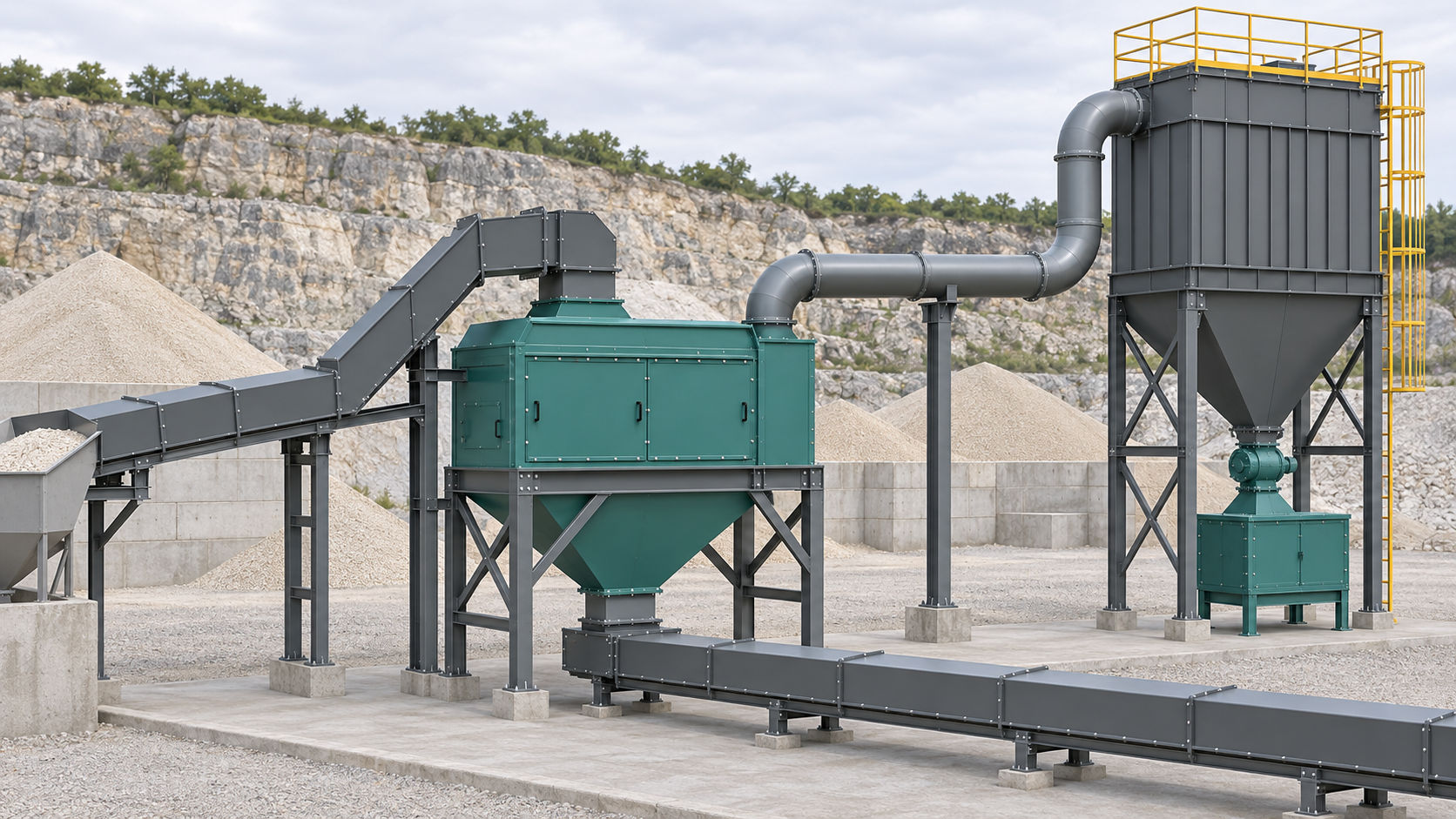
Measure sand lost with the collected fines
During a stable run, collect matched samples of the classifier feed, sand outlet and every fines outlet. Determine each stream’s dry mass flow and sieve distribution. Allow for material held in the classifier, ducts or collector when reconciling the balance. If the feed and outlet masses disagree beyond the tolerance agreed for the test, check the sampling intervals and equipment hold-up before comparing settings.
Calculate sand yield by dividing dry sand outlet mass by dry feed mass. For any valuable sieve band, multiply the dry fines outlet mass by the fraction of that stream in the band, then divide by the mass of the same band in the feed. This estimates how much of the useful fraction the classifier diverted into the fines stream. Report the full sand grading beside both measures so a higher yield can be interpreted against the buyer’s specification.
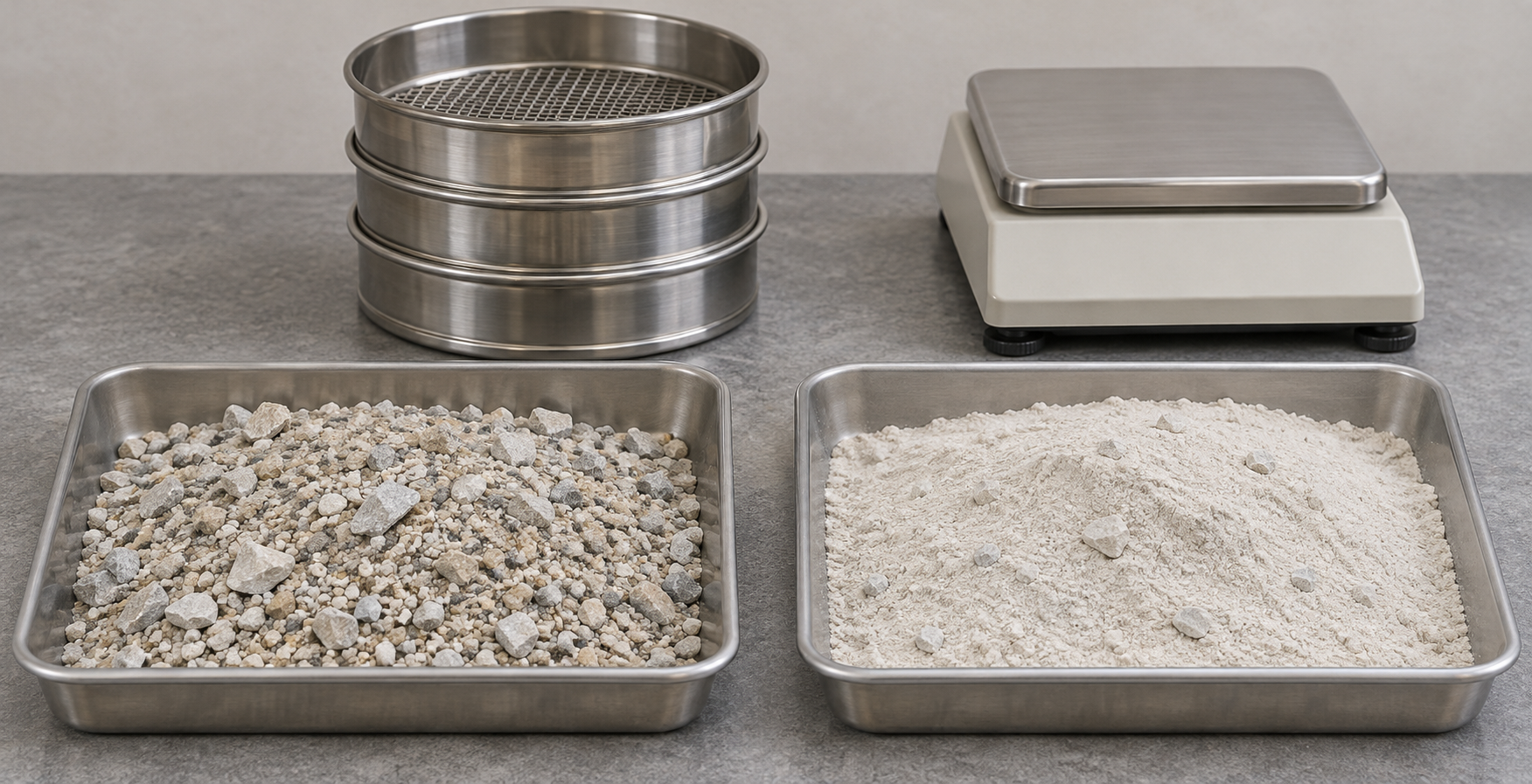
Use the trial results to decide what to change
| Trial observation | Check first | Purchasing decision |
|---|---|---|
| Sand meets the fines limit but loses a required intermediate size | Sieve the fines outlet to confirm where the missing size reports. | Compare airflow settings at the same feed rate and require full grading compliance at the agreed saleable output. |
| Only damp feed leaves excess fines in the sand | Check for coating or clumping and compare with a dry split from the same lot. | Price feed protection or conditioning and verify the moisture range before committing to a dry circuit. |
| Grading drifts as the collector pressure drop changes | Compare measured classifier airflow with collector pressure drop over a representative operating interval. | Have one supplier define the operating range for the classifier, fan and collector together. |
| Product passes grading but collected fines accumulate | Compare the sustained fines discharge rate with the capacity of the airlock, conveyor and storage. | Include continuous fines removal and storage interfaces in the quoted scope. |
Put the operating window in the purchase specification
Specify acceptable feed grading, top size and moisture, then state the finished grading limits and minimum saleable dry output that must be met in the same test run. Agree on sampling locations, test duration, mass balance tolerance and who will run the sieve tests. Include the classifier, fan, filter and fines discharge in the performance scope, with clear responsibilities for controls, ducting and access at the interfaces.
If the plant will blend classified sand with a bypass stream, accept the blended product under the intended operating conditions and measure the split used to make it. A repeatable result across the agreed feed range gives procurement a basis for comparing bids and operations a set of conditions it can reproduce after commissioning.
mj
Author & industry specialist at ZWCC Mining & Crushing