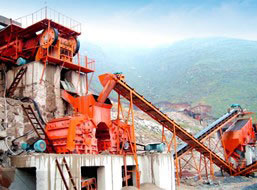
Project Overview
Configuring a 660TPH basalt processing line in Iraq requires careful planning, taking into account the geological characteristics of the basalt, local infrastructure, environmental conditions, and project-specific requirements. The goal is to establish an efficient, reliable, and cost-effective crushing and screening system capable of consistently producing high-quality aggregate for construction, road building, or concrete production.
The first step involves a detailed site assessment. In Iraq, basalt deposits are typically found in the northern regions, such as around Erbil and Sulaymaniyah. A geological survey should confirm the hardness, abrasiveness, and composition of the raw material. Basalt is known for its high compressive strength and toughness, which influences equipment selection—particularly crushers designed to handle abrasive feed.
The processing line should begin with a robust primary crushing stage. A jaw crusher is the most suitable choice for primary reduction due to its ability to handle large feed sizes and high-volume throughput. For a 660TPH capacity, a model such as the C125 or equivalent from a reputable manufacturer ensures efficient primary crushing. It should be paired with a vibrating grizzly feeder to regulate material flow and pre-screen out fines, reducing wear on downstream equipment.
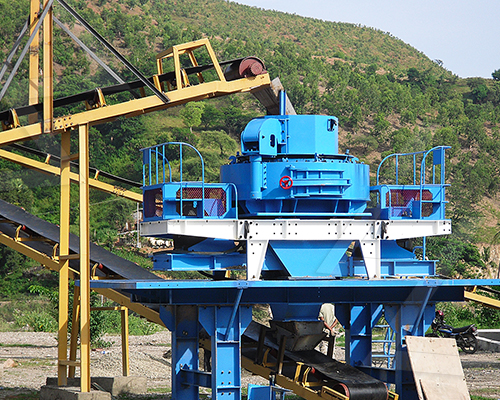
After primary crushing, material is conveyed to the secondary stage. A cone crusher with a medium cavity, such as the HP300 or similar, is ideal for reducing basalt to intermediate sizes. This stage focuses on producing well-graded material while minimizing flakiness. The closed-side setting (CSS) must be precisely adjusted to match the desired output size, typically in the range of 30–50 mm for feed to the tertiary crusher.
Tertiary crushing is critical for achieving final product specifications. A second cone crusher, possibly a finer model like the HP200 or MP series, can be used to produce high-quality cubic aggregate in sizes ranging from 5 mm to 20 mm. This stage enhances product shape and consistency, which is essential for premium construction applications.
Screening follows each crushing stage to ensure proper size separation and recirculation of oversize material. Three-deck inclined screens are recommended for secondary and tertiary circuits to handle multiple product fractions simultaneously. Common final product sizes in Iraq include 0–5 mm, 5–10 mm, 10–15 mm, and 15–20 mm, depending on market demand.
Conveyor systems must be designed with sufficient capacity and durability. Belt widths of 1000–1200 mm are suitable for 660TPH throughput. Idlers, pulleys, and belts should be abrasion-resistant to withstand the harsh nature of basalt. Transfer points require proper sealing and dust suppression to minimize material loss and environmental impact.
Dust control is vital, especially in Iraq’s arid climate. Water spray systems at key transfer and crushing points, along with baghouse filters on enclosed equipment, help maintain air quality and comply with environmental standards. Adequate water supply must be factored into the plant layout.
Power supply is another key consideration. A 660TPH line typically requires between 2,000 and 2,500 kW of total installed power. In areas with unstable grid power, diesel generators or hybrid systems may be necessary to ensure continuous operation.
Maintenance access, spare parts availability, and operator training should not be overlooked. Partnering with equipment suppliers that offer local support in Iraq ensures faster response times and reduces downtime. Routine maintenance schedules, lubrication systems, and wear part monitoring extend equipment life.
Finally, the plant layout must optimize material flow, minimize conveyor length, and allow space for future expansion. A modular design allows for easier transportation and assembly, which is beneficial given Iraq’s logistics challenges.
In summary, a well-configured 660TPH basalt processing line in Iraq combines robust equipment selection, efficient circuit design, environmental controls, and practical logistical planning. When properly implemented, such a system delivers consistent, high-quality aggregate to support the country’s growing infrastructure needs.
.jpg)
.jpg)