Project Overview
In Honduras, efficient management of construction waste has become increasingly vital due to rapid urbanization and infrastructure development. With growing volumes of debris from demolitions and construction sites, recycling and processing this waste not only reduces environmental impact but also creates economic opportunities. One practical solution involves processing 290 metric tons per hour (TPH) of construction waste using equipment from Liming Heavy Industry, a manufacturer known for its durable and high-performance crushing and screening machinery.
A typical 290 TPH construction waste processing plant in Honduras begins with the collection and transportation of mixed debris—concrete, bricks, rebar, wood, and other materials—to a centralized processing site. Upon arrival, the waste undergoes initial sorting to remove large contaminants such as plastics and wood, although much of this separation occurs later in the process.
The first stage in the system is primary crushing, where a robust jaw crusher from Liming, such as the PE-1000×1200 model, reduces large chunks of concrete and masonry into smaller, manageable pieces. This crusher is selected for its ability to handle high feed sizes and deliver consistent output, essential for maintaining the 290 TPH throughput.
After primary crushing, a vibrating feeder ensures a steady material flow, while a magnetic separator removes ferrous metals like rebar. This recovered steel is then sold to scrap yards, adding value to the operation.
Next, the material moves to a secondary crushing stage. Here, a cone crusher such as the CS-360 or HST250H, depending on the desired product size, further reduces the aggregate. This stage is crucial for producing high-quality recycled aggregate suitable for road base, drainage layers, or even concrete production.
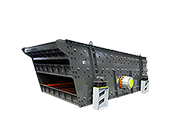
Following secondary crushing, a multi-deck vibrating screen—like the 3YK2160—sorts the material into different sizes: 0–5 mm, 5–10 mm, 10–20 mm, and 20–40 mm. Oversized material is recirculated back to the cone crusher for reprocessing, ensuring efficient size control.
Dust suppression systems are integrated throughout the plant to meet environmental standards common in urban and semi-urban areas of Honduras. Water sprayers or misting systems minimize airborne particles, improving air quality and worker safety.
The final products—clean, graded recycled aggregates—are stockpiled for sale. Local contractors use them in road construction, landscaping, and new building projects, reducing reliance on natural gravel and lowering transportation costs.
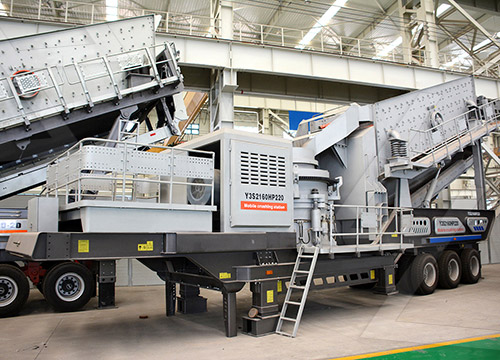
Liming equipment is favored in this application due to its reliability in harsh conditions, straightforward maintenance, and strong local technical support through regional distributors. The entire 290 TPH plant is often mounted on modular or mobile platforms, allowing relocation as construction zones shift—a practical advantage in Honduras, where project sites vary widely.
In practice, such a system processes approximately 2,300 tons of construction waste per day over an eight-hour shift, turning waste into revenue while easing landfill pressure. Operators report payback periods of under two years in high-demand areas, especially where tipping fees and raw material costs are rising.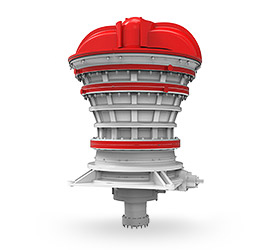
By combining proven Liming machinery with localized operational strategies, construction waste recycling in Honduras proves both technically feasible and economically sustainable. This model offers a replicable blueprint for other developing regions facing similar urban waste challenges.
.jpg)