Configuring an 820TPH (tons per hour) gold beneficiation plant in Tanzania requires careful planning, technical expertise, and compliance with local regulations. With Tanzania being one of Africa’s top gold producers—accounting for approximately 35% of East Africa’s total gold output—the demand for efficient and scalable processing infrastructure is growing (Statista, 2023). This article outlines the key steps and considerations in designing and configuring an 820TPH gold beneficiation plant tailored to Tanzanian geological and operational conditions.
1. Ore Characterization and Metallurgical Testing
Before any plant design begins, a comprehensive analysis of the ore body is essential. Tanzanian gold deposits often feature free-milling ores with varying grades, typically ranging between 1.5 to 5.0 grams per ton (g/t), though some refractory ores may require additional processing. Metallurgical test work—including gravity separation, cyanidation leach tests, and flotation trials—must be conducted to determine the optimal recovery method. According to a 2022 report by the Tanzania Mining Commission, over 60% of operational gold plants in the country utilize carbon-in-leach (CIL) circuits due to their high recovery efficiency for oxide and transitional ores.
2. Plant Layout and Process Design
An 820TPH plant is considered large-scale, necessitating a modular and efficient layout. The typical process flow includes: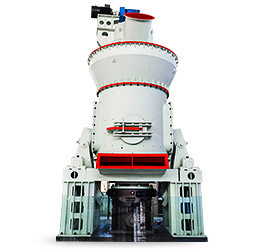
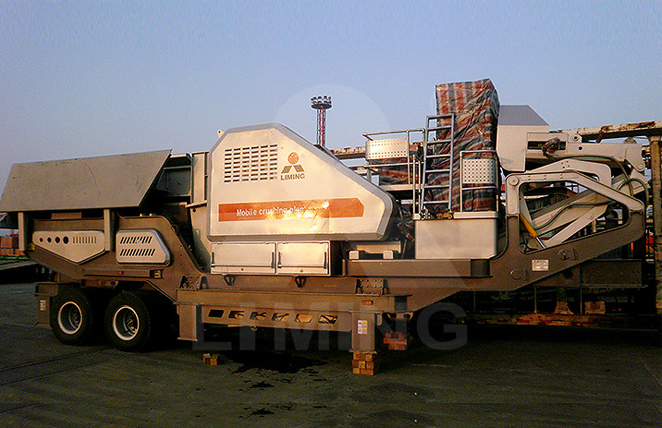
- Crushing Circuit: A three-stage crushing system (primary jaw crusher, secondary cone crusher, tertiary cone or impact crusher) reduces run-of-mine ore to 10–15 mm. A two-tier vibrating screen ensures proper size classification.
- Grinding Circuit: A semi-autogenous grinding (SAG) mill followed by a ball mill (SAB or SABC configuration) is recommended. For 820TPH throughput, a 38’ x 24’ SAG mill paired with a 26’ x 40’ ball mill provides sufficient capacity with operational flexibility.
- Gravity Recovery: Early gravity concentration using Knelson or Falcon concentrators can recover coarse free gold before leaching, improving overall recovery by 3–8%, as demonstrated in a study by Akande et al. (2020) published in the International Journal of Mineral Processing.
- Leaching and Adsorption: A 10-tank CIL circuit with retention time of 48–60 hours ensures effective gold dissolution. Activated carbon with high attrition resistance is used for adsorption. The typical recovery rate in well-optimized CIL plants in Tanzania ranges from 92% to 96%.
- Elution and Electrowinning: Standard Zadra or AARL elution systems paired with electrowinning cells recover gold from loaded carbon. Smelting follows to produce doré bars.
- Tailings Management: Given environmental regulations, a paste or filtered tailings disposal system is advisable. The Tanzanian Ministry of Minerals mandates zero discharge of cyanide above 0.5 mg/L, requiring detoxification via SO₂/air or H₂O₂ treatment.
3. Infrastructure and Logistics
Location plays a critical role. Proximity to ore sources, water supply, power infrastructure, and transportation networks impacts operational costs. Many plants in northern Tanzania, such as those near Geita or Bulyanhulu, rely on grid power supplemented by on-site diesel generators. For an 820TPH plant, power requirements typically exceed 30 MW. Water consumption averages 0.8–1.2 m³ per ton of ore processed, so access to sustainable water sources or closed-loop recycling systems is essential.
4. Environmental and Regulatory Compliance
Tanzania’s 2017 Mining Act and subsequent environmental guidelines require detailed Environmental and Social Impact Assessments (ESIAs). Dust suppression, noise control, cyanide management per the International Cyanide Management Code (ICMC), and community engagement plans are mandatory. The National Environmental Management Council (NEMC) oversees compliance, and failure to adhere can result in operational suspension.
5. Automation and Maintenance Planning
To maintain consistent throughput and recovery, integrating plant-wide automation (e.g., Siemens or Metso systems) enables real-time monitoring of feed rate, pulp density, and reagent dosing. Predictive maintenance schedules reduce downtime, especially for critical equipment like mills and pumps.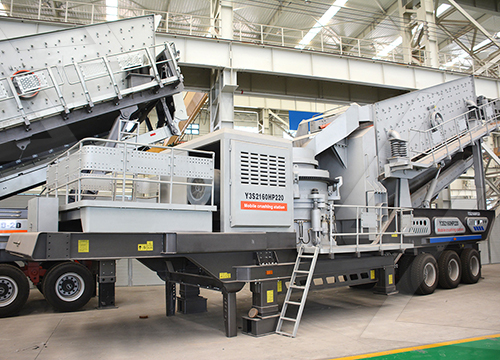
In summary, configuring an 820TPH gold beneficiation plant in Tanzania demands a balance between technological efficiency, regulatory compliance, and cost-effectiveness. Leveraging proven processing flowsheets, local geological data, and modern engineering practices ensures long-term viability. With gold prices remaining strong and Tanzania reinforcing its position as a key mining destination, such investments are strategically sound—provided they align with technical and environmental best practices.
References
- Statista. (2023). Gold Production in East Africa by Country. Retrieved from https://www.statista.com
- Tanzania Mining Commission. (2022). Annual Report on Artisanal and Large-Scale Mining Activities.
- Akande, S. O., Adesina, A. A., & Gboyega, P. A. (2020). “Enhancing Gold Recovery through Gravity Pre-Concentration in CIL Circuits.” International Journal of Mineral Processing, 156, 45–53. https://doi.org/10.1016/j.minpro.2020.102456
Author & industry specialist at ZWCC Mining & Crushing