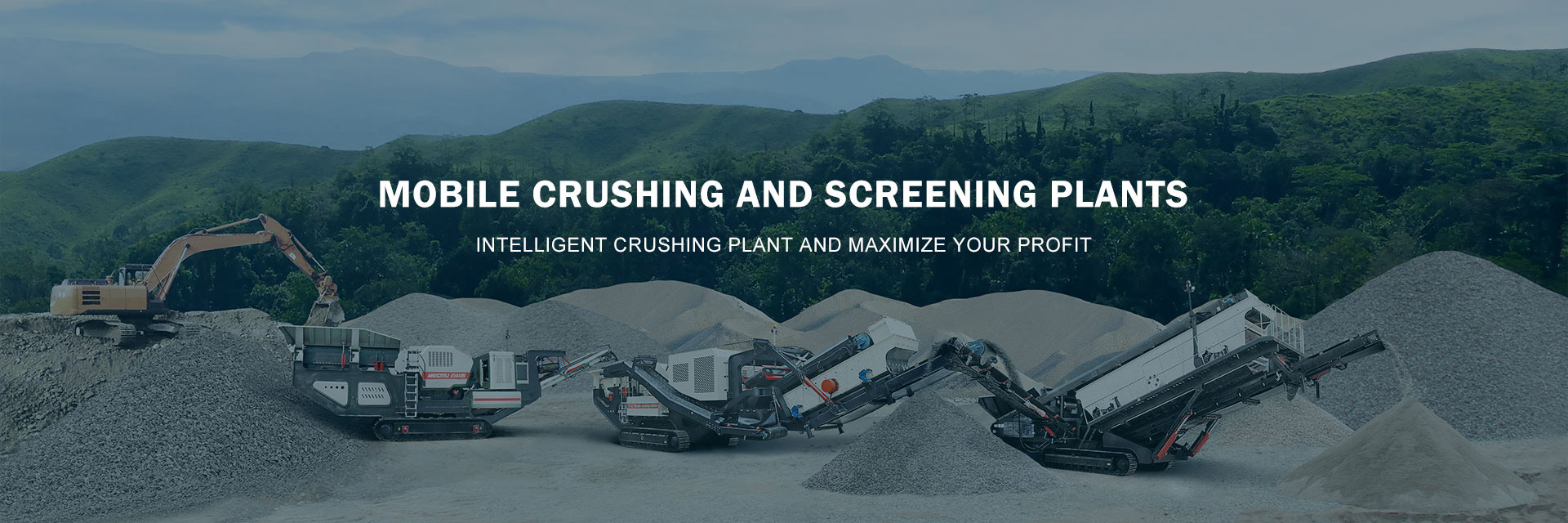
Can Zero Tariffs Boost Demand for Quarry Crushing Plants in Africa?
The African construction and mining sectors are experiencing rapid growth, driven by urbanization and infrastructure development. A key question for industry stakeholders is whether tariff reductions—or even zero tariffs—could further stimulate demand for quarry crushing plants across the continent. 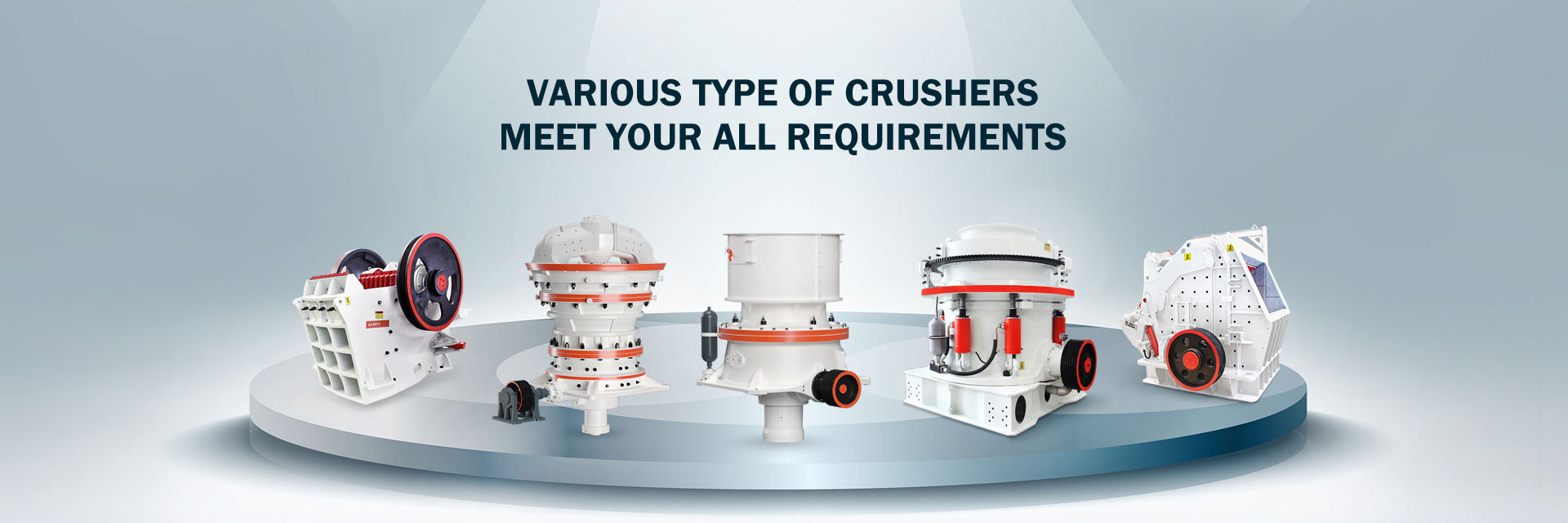
Current Market Dynamics
Quarry crushing plants are essential for producing aggregates used in road construction, buildings, and other infrastructure projects. However, high import duties on heavy machinery in many African countries have historically limited accessibility for local businesses. According to a 2023 report by Statista, the average tariff on construction equipment in Sub-Saharan Africa ranges from 10% to 25%, significantly higher than global averages (Statista, 2023). These costs are often passed down to end-users, slowing project timelines and increasing overall expenses.
Potential Impact of Zero Tariffs
Eliminating tariffs on quarry crushing plants could lower acquisition costs by 15–30%, making them more affordable for small and medium-sized enterprises (SMEs). This aligns with findings from the African Development Bank, which highlights that cost reductions in critical machinery can accelerate infrastructure development by up to 20% in low-income regions (AfDB, 2022). Countries like Rwanda and Ghana, which have implemented partial tariff waivers on construction equipment, have seen a 12% year-on-year increase in machinery imports since 2020. 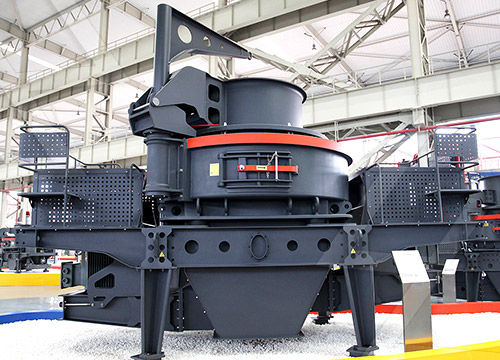
Challenges and Considerations
While zero tariffs may boost demand, other barriers persist. Poor road networks, unreliable electricity, and limited financing options remain hurdles for potential buyers. Additionally, local manufacturers argue that tariff removals could undermine domestic production unless paired with incentives for technology transfer.
Conclusion
Zero tariffs could indeed enhance demand for quarry crushing plants in Africa, particularly if combined with supportive policies like improved infrastructure and financing. However, their effectiveness will depend on addressing broader systemic challenges. Policymakers must balance short-term gains with long-term industrial growth strategies.
References
- Statista. (2023). Average import tariffs on construction machinery in Sub-Saharan Africa.
- African Development Bank (AfDB). (2022). Infrastructure Development and Equipment Accessibility in Africa.
Author & industry specialist at ZWCC Mining & Crushing