.jpg)
Project Overview
Rotary dryers play a crucial role in enhancing efficiency within sand and mineral processing operations, particularly in industrial applications where moisture control is vital for downstream processing, transport, and product quality. As raw materials extracted from quarries or mines often contain high levels of moisture, effective drying is essential to meet industry specifications and improve handling characteristics. The rotary dryer—a slightly inclined, rotating cylindrical vessel heated internally or externally—has emerged as a reliable and scalable solution for achieving consistent moisture reduction across bulk materials.
One of the primary ways rotary dryers improve efficiency is through their ability to process large volumes of material continuously. Unlike batch drying systems, which require periodic loading and unloading, rotary dryers operate on a continuous feed basis, significantly reducing downtime and increasing throughput. This continuous operation is particularly beneficial in large-scale mineral processing plants, where production volume and consistency are critical. According to a 2022 industry analysis by Statista, global demand for industrial drying equipment was projected to exceed USD 12.5 billion by 2025, driven largely by growth in mining and aggregates sectors seeking improved thermal processing efficiency (Statista, 2022).
The design of rotary dryers also contributes to energy efficiency. Modern units often incorporate counter-current airflow configurations, where the material moves in the opposite direction to the hot gas stream. This maximizes heat transfer efficiency by exposing the driest material to the hottest gases, thereby optimizing thermal utilization. Additionally, advancements in burner technology and insulation materials have reduced heat loss, further improving fuel efficiency. For instance, a study published in the International Journal of Mineral Processing demonstrated that properly maintained rotary dryers can achieve moisture reduction from 10% to less than 0.5% in silica sand with specific energy consumption as low as 750 kJ/kg, depending on feed conditions and system design (Zhang et al., 2020).
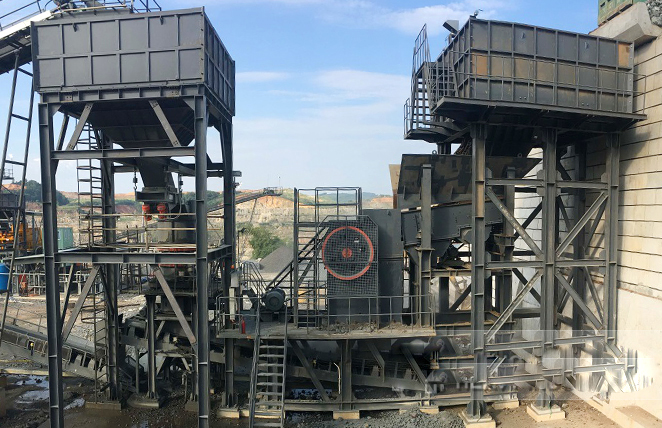
Beyond thermal performance, rotary dryers enhance operational efficiency by improving material flow and reducing caking or agglomeration. The tumbling action inside the drum promotes even drying and prevents material buildup, which is especially important when processing fine particles such as crushed limestone or industrial sand. This uniform drying reduces the risk of blockages in conveyors and screens downstream, minimizing maintenance requirements and unplanned shutdowns..jpg)
Moreover, integrating rotary dryers with automated control systems allows for real-time monitoring of temperature, moisture content, and feed rate. Such automation enables operators to maintain optimal drying conditions with minimal manual intervention, reducing labor costs and human error. For example, closed-loop moisture sensors can adjust fuel input and feed speed dynamically, ensuring consistent product quality while conserving energy.
In conclusion, rotary dryers significantly improve efficiency in sand and mineral processing by enabling high-capacity, continuous drying with precise moisture control. Their robust design, combined with advancements in thermal engineering and automation, makes them a cornerstone of modern mineral processing operations. Supported by industry data and academic research, the adoption of rotary dryers continues to grow as producers seek to meet quality standards while minimizing operational costs and environmental impact..jpg)
References:
Statista. (2022). Market value of industrial drying equipment worldwide from 2017 to 2025. Retrieved from https://www.statista.com
Zhang, L., Tan, H., & Liu, Q. (2020). Thermal efficiency optimization in rotary dryers for mineral sands: A case study of silica processing. International Journal of Mineral Processing, 198, 102163. https://doi.org/10.1016/j.minpro.2020.102163