.jpg)
Achieving a gold production rate of 420 tons per hour (TPH) in Kakamega, Kenya, presents both significant challenges and opportunities within the context of small-scale and artisanal mining operations that currently dominate the region. Kakamega has long been recognized for its gold-bearing geology, particularly within the Kakamega Greenstone Belt, which extends across western Kenya and hosts numerous quartz-vein deposits rich in gold (Wedepohl, 1995). However, transitioning from traditional, low-yield extraction methods to industrial-scale processing capable of sustaining 420TPH requires strategic investment, technological upgrading, and robust regulatory alignment.
To reach such high throughput, the first step involves consolidating fragmented artisanal mining claims into larger, mechanized concessions. Currently, most mining in Kakamega is conducted by small cooperatives using manual techniques, resulting in average yields far below 10TPH per site (Mining Review Africa, 2022). According to data from Statista, Kenya’s total gold production averaged approximately 1.8 metric tons annually between 2018 and 2022, with only a fraction originating from formal operations (Statista, 2023). This indicates a substantial gap between current output and the potential required for 420TPH processing..jpg)
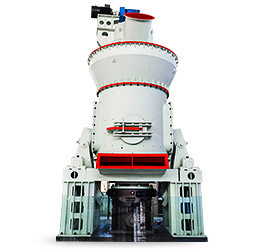
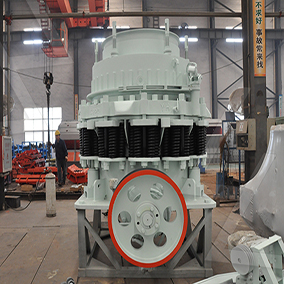
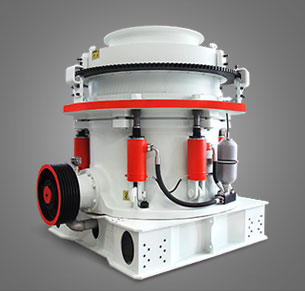
Achieving 420TPH necessitates a comprehensive processing plant design centered on scalable crushing, grinding, and gravity concentration circuits. A typical flow sheet would include primary jaw crushers, secondary cone crushers, tertiary screening, and high-capacity ball mills operating in closed circuit. Given the fine dissemination of gold in quartz veins, the integration of advanced gravity recovery systems—such as Knelson or Falcon concentrators—would improve recovery rates, especially for free-milling ore types. Additionally, carbon-in-leach (CIL) circuits should be considered for refractory or low-grade material, ensuring maximum gold extraction.
Infrastructure remains a critical constraint. Kakamega lacks reliable high-capacity power supply and water delivery systems essential for continuous operations. Reliable power, estimated at a minimum of 8–10 MW for a 420TPH plant, would likely require dedicated diesel generators or hybrid solar-diesel systems until national grid improvements are realized. Water consumption for ore processing at this scale could exceed 1,000 cubic meters per day, necessitating sustainable sourcing and recycling protocols to mitigate environmental impact.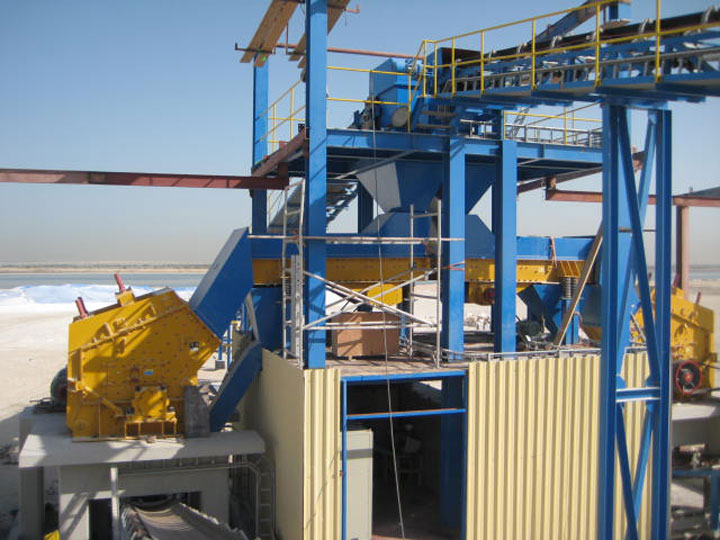
Workforce development and community engagement are equally vital. Training local personnel in plant operation, maintenance, and safety protocols ensures sustainability and fosters social license to operate. Collaborating with the Ministry of Mining and the Geological Survey of Kenya can help align exploration efforts with geological data, improving ore body modeling and resource estimation accuracy.
Environmental and regulatory compliance cannot be overlooked. The National Environmental Management Authority (NEMA) requires comprehensive Environmental and Social Impact Assessments (ESIAs) for large-scale operations. Implementing real-time monitoring for dust, noise, and tailings management is essential to meet Kenyan environmental standards.
In conclusion, while 420TPH gold production in Kakamega is ambitious given the current operational landscape, it is achievable through integrated planning, technological investment, and stakeholder collaboration. With Kenya’s gold sector poised for growth and increasing foreign interest in African mineral assets, Kakamega could emerge as a key contributor—if strategic, data-driven development replaces fragmented, informal practices.
References:
Statista. (2023). Gold production in Kenya from 2018 to 2022 (in metric tons). Retrieved from https://www.statista.com/statistics/1270184/kenya-gold-production/
Wedepohl, K. H. (1995). The composition of the continental crust. Geochimica et Cosmochimica Acta, 59(7), 1217–1232.
Mining Review Africa. (2022). Artisanal Gold Mining in Kenya: Challenges and Opportunities. Vol. 16, Issue 3.
Author & industry specialist at ZWCC Mining & Crushing