How to Configure a 1250TPH Limestone Beneficiation Plant in the USA
Setting up a high-capacity limestone beneficiation plant requires careful planning to optimize efficiency, cost, and environmental compliance. A 1250-ton-per-hour (TPH) plant demands robust equipment selection, process design, and adherence to industry standards. Below is a step-by-step guide to configuring such a facility in the USA.
1. Site Selection and Raw Material Analysis
The first step involves choosing a location near high-quality limestone deposits to minimize transportation costs. Geological surveys and core sampling are essential to determine the limestone’s chemical composition and impurities. According to the US Geological Survey (USGS), the USA produced approximately 79 million metric tons of crushed limestone in 2022, with major reserves in Texas, Missouri, and Pennsylvania (USGS, 2023). 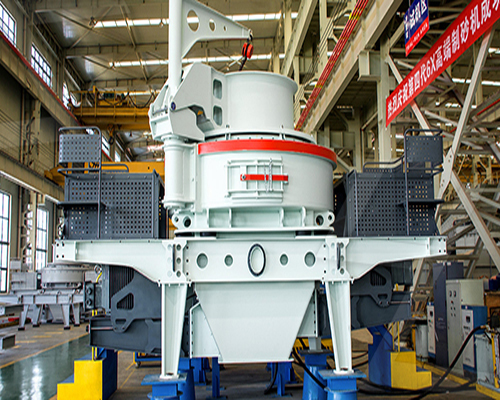
2. Crushing and Screening
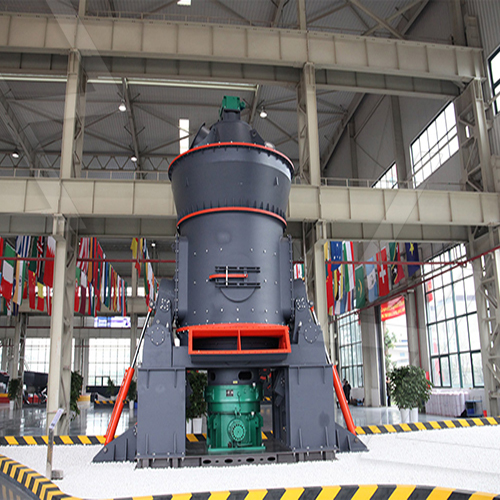
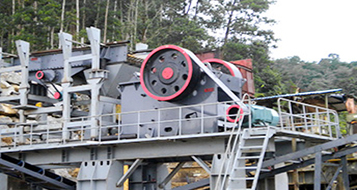
A primary jaw crusher or gyratory crusher reduces large limestone rocks to smaller fragments (150–200mm). Secondary cone crushers further break them down to 20–50mm. Vibrating screens then classify the material by size, ensuring only properly sized feed enters the beneficiation circuit. 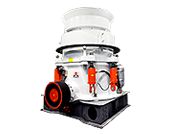
3. Beneficiation Process
The key steps include:
- Washing and Scrubbing: Removes clay and silt using log washers or rotary scrubbers.
- Heavy Media Separation (HMS): Separates high-purity limestone from low-grade material using a dense medium (e.g., magnetite suspension).
- Froth Flotation (if needed): For high-purity industrial limestone, flotation removes silica and other impurities.
4. Dewatering and Final Product Handling
Hydrocyclones and thickeners reduce moisture content before drying. The final product is stockpiled or loaded onto conveyors for transport.
5. Environmental and Regulatory Compliance
US limestone operations must comply with EPA air and water quality standards. Dust suppression systems (mist sprays, baghouses) and wastewater treatment are mandatory.
Equipment Selection and Cost Considerations
Key equipment includes:
- Primary/Secondary Crushers (Metso, Sandvik)
- Log Washers (Eagle Iron Works)
- Thickeners (FLSmidth)
- Conveyors (Superior Industries)
Capital costs for a 1250TPH plant range between $50–$80 million, depending on automation and environmental controls (Industry Report, Global Mining Solutions, 2022).
Conclusion
A well-configured limestone beneficiation plant balances throughput, purity, and sustainability. By leveraging advanced separation technologies and adhering to US regulations, operators can maximize profitability while minimizing environmental impact.
Sources:
- US Geological Survey (USGS). (2023). Mineral Commodity Summaries: Crushed Stone.
- Global Mining Solutions. (2022). Capital Cost Analysis for Large-Scale Beneficiation Plants.
Author & industry specialist at ZWCC Mining & Crushing