Project Overview
Efficient Processing of 340TPH Construction Waste in Oman
With rapid urbanization and infrastructure development, Oman faces significant challenges in managing construction waste. Efficiently processing 340 tons per hour (TPH) of construction waste requires a systematic approach, combining advanced technology, optimized workflows, and sustainable practices.
The Scale of Construction Waste in Oman
According to a report by the Oman Environment Authority, the country generates approximately 1.5 million tons of construction and demolition (C&D) waste annually (Oman Environment Authority, 2022). Without proper management, this waste contributes to environmental degradation and landfill overcrowding. Processing 340TPH efficiently demands a well-designed system incorporating crushing, sorting, and recycling.
Key Steps in Processing 340TPH of Construction Waste
-
Pre-Sorting and Manual Removal of Contaminants
Before mechanical processing, workers should remove non-recyclable materials such as plastics, wood, and hazardous substances. This step ensures smoother downstream operations and higher-quality recycled aggregates. -
Primary Crushing with Jaw Crushers
A high-capacity jaw crusher (e.g., 500–600 mm feed size) can break down large concrete and masonry debris. A Nordberg C150 jaw crusher or equivalent can handle up to 340TPH, reducing waste to manageable 150–200 mm pieces. -
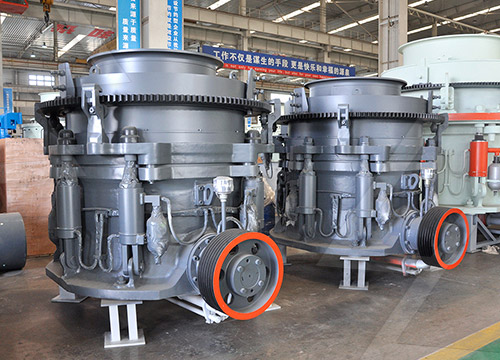
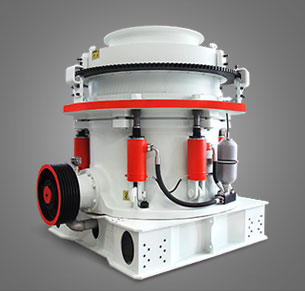
Secondary Crushing and Screening
Impact or cone crushers further refine the material into smaller sizes (20–50 mm). A multi-deck vibrating screen separates aggregates into different grades (coarse, medium, fine). Recycled aggregates meeting Oman’s Sultan Qaboos University construction standards (2021) can be reused in road bases or new concrete mixes. -
Magnetic Separation for Metal Recovery
Over 8% of construction waste contains recoverable metals (Statista, 2023). Installing overband magnets extracts ferrous metals, which can be sold to steel recyclers, generating additional revenue. -
Dust Suppression and Environmental Compliance
Water spray systems and enclosed conveyors minimize dust emissions, ensuring compliance with Oman’s Executive Regulations of the Environmental Protection Law (2001)..jpg)
Economic and Environmental Benefits
- Cost Savings – Recycling reduces landfill fees and raw material procurement costs.
- Sustainability – Reusing aggregates lowers carbon emissions by up to 30% compared to virgin material production (Journal of Cleaner Production, 2020).
- Regulatory Compliance – Following Oman’s Vision 2040 waste management goals ensures long-term operational viability.
Conclusion
Processing 340TPH of construction waste efficiently in Oman requires a combination of advanced machinery, strict quality control, and adherence to environmental regulations. By implementing a structured recycling system, construction firms can turn waste into a valuable resource while supporting Oman’s sustainability objectives.
References
- Oman Environment Authority. (2022). Annual Waste Management Report.
- Statista. (2023). Global Construction Waste Composition.
- Sultan Qaboos University. (2021). Standards for Recycled Construction Materials.
- Journal of Cleaner Production. (2020). Carbon Reduction in Construction Recycling.
.jpg)