Configuring an 860TPH Basalt Processing Line in Peru requires careful planning, site-specific engineering, and alignment with both geological characteristics and local infrastructure constraints. Basalt, a dense and abrasive volcanic rock, is commonly used in road construction, railway ballast, and concrete aggregates due to its high compressive strength and durability. In Peru, where infrastructure development is accelerating—especially in mining and transportation sectors—the demand for high-quality aggregates has surged. According to a 2023 report by Global Construction Perspectives and Oxford Economics, Peru’s construction industry is projected to grow at an annual rate of 4.8% through 2030, driven by public investment in roads and urban development (Global Construction Perspectives, 2023).
To efficiently process 860 metric tons per hour (TPH) of basalt, a processing line must be designed with optimized material flow, energy efficiency, and minimal downtime. The configuration typically includes four primary stages: primary crushing, secondary crushing, tertiary crushing, and screening. Each stage must be carefully matched to handle the hardness and abrasiveness of basalt, which has a Mohs hardness of approximately 6–7 and a compressive strength ranging from 100 to 300 MPa.
The first step involves primary crushing, where raw basalt feed, typically up to 800 mm in size, is reduced using a robust jaw crusher or a gyratory crusher. For an 860TPH operation, a jaw crusher with a capacity of at least 900TPH—such as the Nordberg® C130™—ensures headroom for peak loads and uneven feeding. The primary crusher should be fed via a vibrating grizzly feeder to pre-screen out fines and protect downstream equipment.
After primary crushing, the material (now reduced to around 150–200 mm) moves to secondary crushing. Cone crushers, particularly models with high reduction ratios and hydraulic adjustment systems—like the HP4™ or MP1250™—are ideal for basalt due to their ability to handle tough feed and produce cubical aggregates. Secondary crushing typically targets a product size of 30–50 mm.
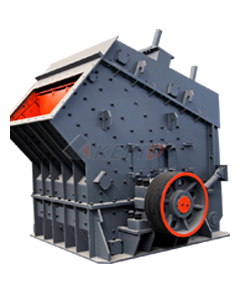
Tertiary crushing further refines the material to meet specific grading requirements, especially for high-specification applications like asphalt or concrete. A second cone crusher or a vertical shaft impactor (VSI) can be used here. For basalt, a VSI such as the Barmac® B8100SE offers excellent shaping performance and improved particle morphology, which enhances the final product’s value.
Screening is integrated at multiple stages. After secondary and tertiary crushing, horizontal or incline screens with modular decks and polyurethane panels separate aggregates into required sizes—commonly 0–5 mm, 5–10 mm, 10–20 mm, and 20–40 mm. Closed-circuit recycling of oversized material ensures maximum yield and minimizes waste.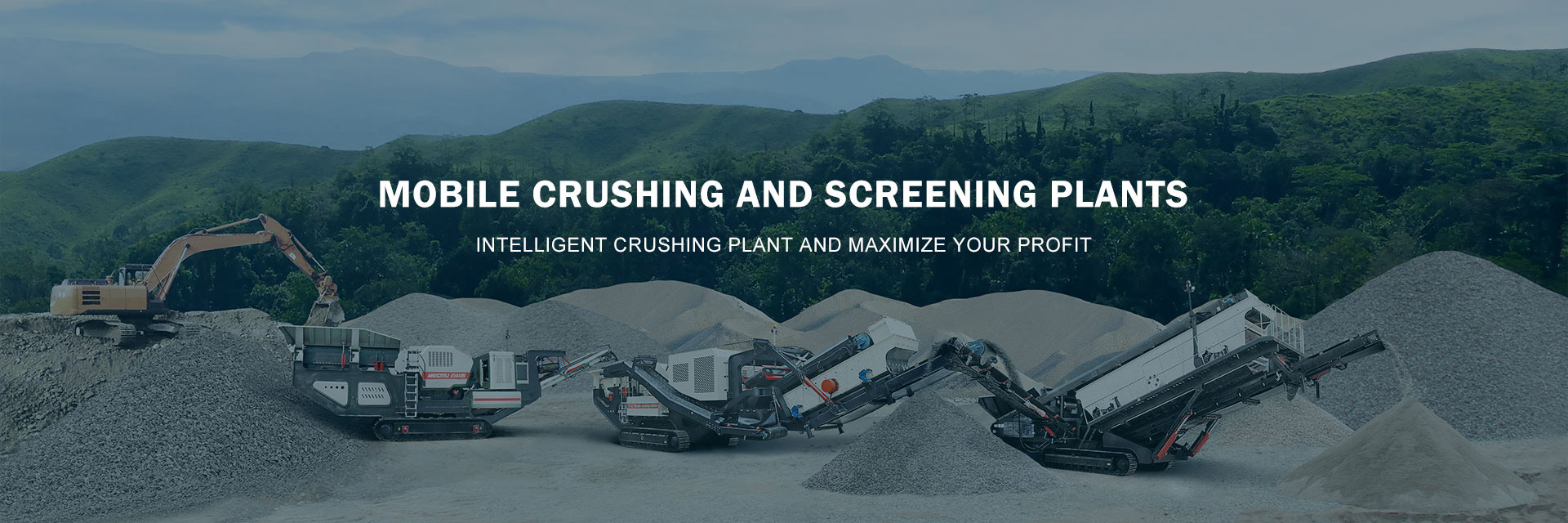
Power supply and logistics are critical in remote Peruvian regions. Most large-scale processing plants utilize diesel generators or hybrid power systems due to inconsistent grid access. A typical 860TPH plant consumes approximately 1,800–2,200 kW of power, depending on crusher types and conveyor lengths (Mining Technology, 2022). Water availability must also be assessed, as wet screening or dust suppression systems may be necessary to comply with environmental regulations..jpg)
Material handling systems—including apron feeders, conveyor belts with 1.2–1.4 m widths, and transfer towers—must be engineered for continuous flow and minimal spillage. Automation through PLC-based control panels allows real-time monitoring of crusher settings, belt speeds, and load distribution, improving operational efficiency.
Environmental considerations are increasingly important in Peru. The Ministry of Environment requires Environmental Impact Assessments (EIA) for mining and aggregate operations. Dust control via water sprays or baghouse filters, along with noise reduction measures, helps meet regulatory standards.
In summary, configuring an 860TPH basalt processing line in Peru involves selecting durable, high-capacity equipment suited to basalt’s physical properties, integrating efficient screening and conveying, and aligning with local infrastructure and regulatory frameworks. With rising construction demand, a well-designed plant can achieve high uptime, low operating costs, and a strong return on investment.
References:
Global Construction Perspectives and Oxford Economics. (2023). Global Construction 2030: Latin America Report. Retrieved from https://www.gcp-oxford.com
Mining Technology. (2022). Power Consumption in Aggregate Processing Plants: Benchmarking Study. Industry Insight Report.
Author & industry specialist at ZWCC Mining & Crushing
.jpg)